
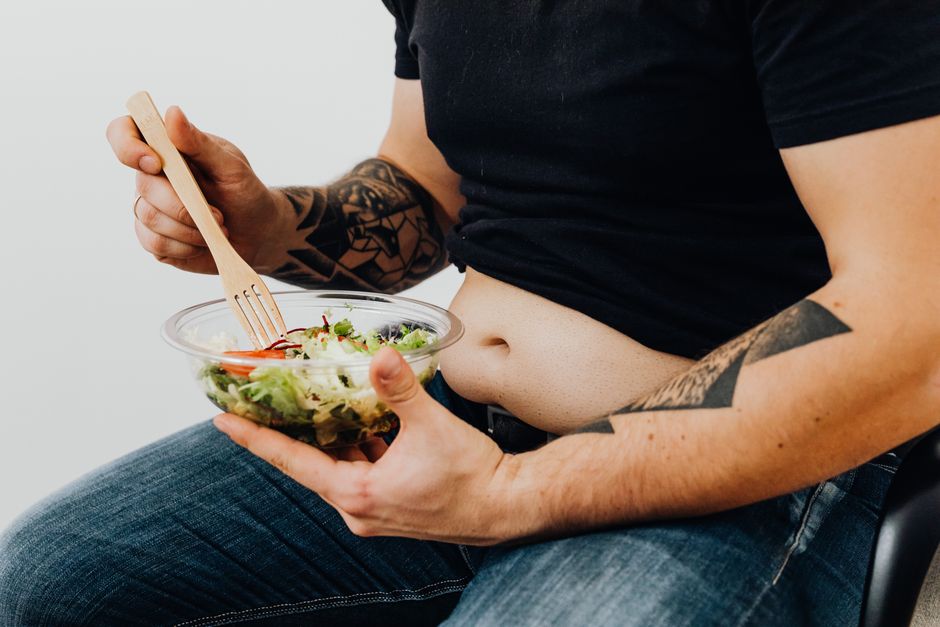
Losing postpartum belly fat is not about quick fixes or extreme diets. It is about giving your body time to heal while building sustainable habits that support fat loss and core strength. The most effective approach combines gentle movement, balanced nutrition, and realistic expectations about how long your body needs to recover.
Why Does Belly Fat Persist After Pregnancy?
Your body goes through major changes during pregnancy. The abdominal muscles stretch, the skin expands, and hormones shift to support your baby. After delivery, these changes do not reverse overnight.
One key factor is diastasis recti, a separation of the abdominal muscles that occurs in many pregnancies. This separation can make the belly protrude even after you lose weight. It is not fat, but it can look like it. Some studies suggest that up to 60% of women experience some degree of this condition postpartum.
Hormones also play a role. Cortisol, the stress hormone, can encourage fat storage around the midsection. New parents are often sleep-deprived and stressed, which can raise cortisol levels. This makes belly fat harder to lose than fat in other areas.
Your body also needs time to shrink the uterus back to its pre-pregnancy size. This process, called involution, takes about six weeks. The belly will naturally look smaller as this happens, but the process cannot be sped up with exercise or diet.
How Soon Can You Start Exercising After Birth?
The timeline for returning to exercise depends on how you gave birth. For a vaginal delivery without complications, many clinicians suggest waiting until your six-week postpartum checkup. For a cesarean section or a delivery with complications, the wait may be longer.
Your doctor or midwife will give you specific guidance based on your situation. Some gentle activities, like walking, can usually start right away if you feel up to it. Walking is safe for most women and helps with circulation and mood.
Before starting any abdominal work, check for diastasis recti. A physical therapist or your healthcare provider can assess this. If you have a separation, traditional crunches can make it worse. You need exercises that work the deep core muscles instead.
No clinical guidelines recommend a specific “green light” date that applies to everyone. The safest approach is to get professional clearance first. Pushing too hard too soon can lead to injury or worsen pelvic floor issues.
What Exercises Actually Work for Postpartum Belly Fat?
Exercise alone will not target belly fat specifically. Spot reduction, the idea that working one area burns fat there, has been repeatedly disproven. Fat loss happens throughout the body based on overall energy balance, not on which muscles you work.
That said, certain exercises build the core strength that makes your midsection look and feel better. These exercises focus on the deep abdominal muscles and pelvic floor.
- Pelvic tilts – Lie on your back with knees bent. Gently tilt your pelvis upward and hold for a few seconds. This engages the lower abdominal muscles.
- Diaphragmatic breathing – Breathe deeply into your belly, then exhale while pulling your navel toward your spine. This activates the transverse abdominis, the deepest core muscle.
- Bird dogs – Start on your hands and knees. Extend one arm and the opposite leg while keeping your core stable. This builds coordination and core strength without straining the abdomen.
- Modified planks – Start on your knees rather than your toes. Hold the position while keeping your core engaged. Only progress to full planks when your core feels stable.
Alongside core work, you need full-body movement to create a calorie deficit. Brisk walking, swimming, cycling, and strength training all contribute to fat loss. The key is consistency over intensity.
A physical therapist who specializes in postpartum recovery can design a program tailored to your needs. This is especially valuable if you have diastasis recti or pelvic floor symptoms like leaking urine.




What Role Does Diet Play in Losing Postpartum Belly Fat?
Diet matters more than exercise for fat loss. This is true in general, and it is true after pregnancy. You cannot out-exercise a diet that provides more calories than your body needs.
If you are breastfeeding, your calorie needs are higher than usual. The body requires extra energy to produce milk. Restricting calories too aggressively can affect milk supply and leave you exhausted. Most breastfeeding mothers need about 300 to 500 extra calories per day compared to their pre-pregnancy needs.
Focus on nutrient-dense foods rather than counting every calorie. Protein is especially important because it supports muscle repair and keeps you full. Lean meats, eggs, beans, and Greek yogurt are good options. Fiber from vegetables, fruits, and whole grains also supports satiety and digestive health.
One non-obvious point: your body may hold onto fat while you are sleep-deprived. Poor sleep affects hunger hormones, specifically ghrelin and leptin. Ghrelin increases appetite, and leptin signals fullness. When you are sleep-deprived, ghrelin goes up and leptin goes down. This makes you hungrier and less satisfied after eating.
Prioritizing sleep, when possible, is not just about energy. It directly supports your ability to eat well and lose fat. This is hard with a newborn, but even small improvements in sleep can help.
How Long Does It Take to Lose Postpartum Belly Fat?
There is no single timeline that applies to everyone. Many factors influence how quickly fat comes off, including genetics, age, activity level, and how much weight was gained during pregnancy.
Some research suggests that women who gain weight within the recommended range during pregnancy are more likely to return to their pre-pregnancy weight within six to twelve months. But “returning to pre-pregnancy weight” does not mean the belly looks the same. Muscle tone, skin elasticity, and abdominal separation all affect appearance.
It is normal for the belly to take longer to look “flat” than other parts of the body. The skin and connective tissue have been stretched for months. They need time to recover, and for some women, they never fully return to the pre-pregnancy state. This is not a failure. It is a normal variation in how bodies respond to pregnancy.
Set expectations around health and function rather than a specific jean size. Many women find that their body settles into a new normal that is different from before pregnancy. That is healthy and common.
What about Postpartum Belly Wraps and Creams?
Belly wraps and compression garments are widely marketed for postpartum use. Some women find them comfortable because they provide support and a feeling of security. They may also temporarily make the belly look flatter by compressing tissue.
No clinical evidence confirms that wraps reduce fat or permanently change abdominal shape. They do not strengthen the core muscles. They do not repair diastasis recti. Their effect is temporary and cosmetic.
Topical creams and lotions marketed for belly fat have even less support. No study has confirmed that any cream can spot-reduce fat or tighten skin significantly. The skin changes that come with pregnancy, such as stretching and reduced elasticity, are not reversed by applying a product to the surface.
Save your money for things that work: nutritious food, supportive movement, and professional guidance if you need it.
When Should You Seek Professional Help?
Some postpartum symptoms warrant professional attention. If you feel a bulge in your abdomen that gets worse when you sit up, you may have significant diastasis recti. A physical therapist can assess this and guide your recovery.
Pelvic floor symptoms like leaking urine, pelvic pressure, or pain during intercourse are common but not normal. These issues can improve with pelvic floor physical therapy. Many women wait months or years to seek help, but earlier intervention tends to lead to better outcomes.
If you are struggling with weight loss despite consistent effort, or if you feel overwhelmed by the process, talk to your healthcare provider. They can check for underlying issues like thyroid problems or postpartum depression, both of which can affect weight and energy.
Your provider can also refer you to a registered dietitian who specializes in postpartum nutrition. This can be especially helpful if you are breastfeeding and want to lose weight without compromising milk supply.
Frequently Asked Questions
Can you lose postpartum belly fat while breastfeeding?
Yes, you can lose fat while breastfeeding, but gradual weight loss is safer than rapid restriction for maintaining milk supply. Aim for slow, steady progress with nutrient-dense foods rather than aggressive calorie cutting.
Do crunches help with postpartum belly fat?
Crunches are not the best choice for most postpartum women because they can worsen diastasis recti. Deep core exercises like pelvic tilts and diaphragmatic breathing are safer starting points.
How long does diastasis recti take to heal?
Diastasis recti can improve within a few months with consistent core work, but some women have separation for years. A physical therapist can assess your specific situation and track your progress.
Is it normal to still look pregnant months after delivery?
Yes, it is normal for the belly to look fuller for several months after birth. Skin, muscle, and connective tissue recover slowly, and some changes may be permanent.
