
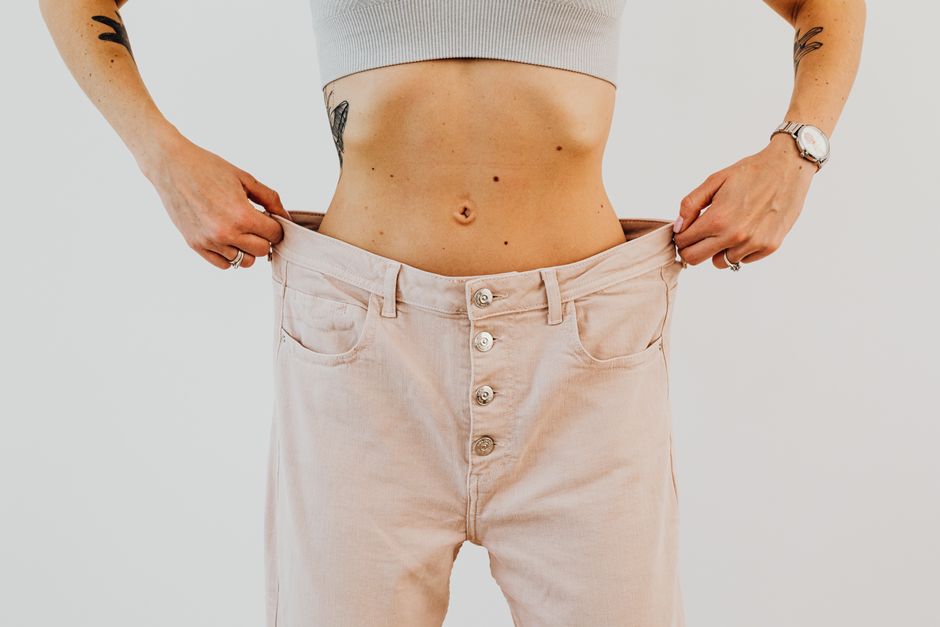
You cannot target fat loss to your hips specifically. No exercise, food, or supplement can force your body to burn fat from one area. What you can do is lower your overall body fat, and your hips will shrink along with everything else. How your body distributes fat is largely genetic and hormonal, and that part you cannot change. What you can change is how much fat you carry overall.
Why Does Fat Collect on the Hips?
Fat storage patterns are shaped mostly by genetics and sex hormones. Estrogen tends to direct fat toward the hips, buttocks, and thighs. That is why this pattern is more common in women, particularly before menopause. Testosterone tends to favor the belly, which is more common in men.
This difference is not cosmetic. It reflects how the body stores energy and where fat cells are most active in a given person. Researchers describe these patterns as “gynoid” (hip and thigh) and “android” (abdominal) fat distribution.
After menopause, estrogen levels fall. Many women notice their fat shifting from the hips toward the abdomen. This is a well-documented change, not a personal failing.
Genetics also set the range. Two people with the same body fat percentage can carry it very differently. If your mother and grandmother stored fat in their hips, you likely will too. No diet changes your genetic blueprint.
Can You Spot-Reduce Hip Fat With Exercise?
No. Spot reduction does not work. This is one of the most studied questions in exercise science, and the answer has been consistent for decades.
When you exercise a muscle, you burn fuel from all over your body, not from the fat sitting directly on top of that muscle. Studies that measured fat loss after training one limb versus another found the working limb did not lose more fat than the resting one. The body pulls energy from its fat stores system-wide.
Hip abduction machines, side leg raises, and similar moves strengthen the muscles under the fat. That is worth doing for strength and hip health. But it will not melt the fat covering them. A stronger gluteal muscle under the same layer of fat looks the same from the outside.
What actually reduces hip fat is reducing total body fat. Exercise helps create the calorie deficit that drives that, and it preserves muscle while you lose. But the fat comes off wherever your body decides to take it from first, and for many people the hips are one of the last places to change.
What Actually Reduces Hip Fat?
A sustained calorie deficit is the only reliable way to lose fat from your body, including your hips. Eat fewer calories than you burn, and your body taps its fat stores for energy over time.
That sounds simple. The hard part is doing it long enough and in a way you can maintain.
Three things matter most:
- Calories. A modest, steady deficit works better than a severe one. Very low intake is hard to sustain and tends to cost you muscle.
- Protein. Eating enough protein helps preserve muscle while you lose fat. It also tends to keep you fuller.
- Patience. Fat loss is slow. The hips often change last, so early progress may show in your face, waist, or arms first.
Strength training supports this by protecting muscle. Cardiovascular exercise adds to the calorie burn. Neither one targets the hips, but both help you lose fat overall.
There is no food that burns hip fat. Grapefruit, apple cider vinegar, green tea, and cayenne are marketed this way, but no clinical evidence confirms they cause fat loss in humans on their own. Any effect they have is small and comes through appetite or calorie intake, not direct fat burning.





Do Hormones and Menopause Change Hip Fat?
Yes, and this is one of the most misunderstood parts of the conversation. Estrogen influences where the body stores fat. Before menopause, higher estrogen levels are linked to fat storage in the hips and thighs. After menopause, as estrogen falls, fat tends to redistribute toward the abdomen.
This means some women find their hips actually shrink after menopause while their waist grows. The total amount of fat may not change much. It just moves.
Conditions that affect hormones can also shift fat distribution. Polycystic ovary syndrome (PCOS), thyroid disorders, and Cushing’s syndrome can all change how and where the body stores fat. If your fat distribution has changed suddenly, or you have other symptoms like fatigue, irregular periods, or unexplained weight change, that is worth discussing with a clinician.
No diet or exercise plan overrides your hormonal environment. It can work within it, but it cannot rewrite it.
What About Body Type and Genetics?
Body shape is inherited. Some people are built with wider hips and a narrower waist. Some are built the opposite way. This is skeletal structure as much as fat, and bone cannot be dieted away.
This matters because many people chasing “hip fat loss” are partly chasing a different bone structure. If your hips are wide because of your pelvis and femur placement, no amount of fat loss will narrow them. That is anatomy, not excess fat.
Fat loss can change the soft tissue around the hips. It cannot change the frame underneath. Knowing the difference saves a lot of frustration.
What Does Not Work for Hip Fat?
A lot of money is spent on things that do not work. Here is the honest list.
- Spot-reduction workouts. No exercise burns fat from the hips specifically.
- Fat-burning supplements. Most have weak or no evidence in humans. Some carry real risks, including liver and heart effects.
- Detox teas and cleanses. These cause water and stool loss, not fat loss. Any weight lost returns.
- Waist trainers and hip wraps. These compress tissue temporarily. They do not remove fat.
- Skipping meals to “target” the hips. Calorie restriction reduces fat everywhere, not in one spot, and severe restriction costs muscle.
None of these change where your body stores fat. That is set by biology you do not control.
Is Hip Fat a Health Concern?
Hip and thigh fat is generally considered less metabolically harmful than belly fat. Research has linked abdominal fat, especially visceral fat around the organs, more strongly to heart disease and type 2 diabetes than fat stored in the hips and thighs.
This does not mean hip fat is harmless. It means the location matters for health risk, and hip fat is not the most concerning kind. If your goal is health rather than appearance, waist size and overall fitness often matter more than hip size.
Some evidence suggests hip and thigh fat may even have a protective metabolic role, though this area is still being studied. The picture is not fully settled.
If you are concerned about your weight or fat distribution for health reasons, talk with a clinician. They can look at the whole picture, not just one area.
What Is a Realistic Approach?
Set expectations you can actually meet. Fat loss happens slowly, and the hips are often the last place to change. For many people, that means months, not weeks.
A realistic plan looks like this:
- Eat a modest calorie deficit you can sustain.
- Get enough protein to protect muscle.
- Strength train a few times a week.
- Stay active in ways you enjoy.
- Sleep well and manage stress, both of which affect appetite and eating.
None of this targets the hips. All of it reduces total body fat, and your hips will follow your body’s own timeline.
One non-obvious point: the order in which you lose fat is largely out of your hands. Your body decides. For many people, the areas they most want to change are the slowest to respond. That is normal, and it is not a sign you are doing something wrong.
Frequently Asked Questions
Can you lose fat from just your hips?
No. Spot reduction is not possible, so no exercise or food removes fat from the hips alone. You lose fat from your whole body, and the hips change on your body’s own schedule.
What exercises get rid of hip fat fast?
None do, because no exercise targets fat in one area. Strength training and cardio help you lose total body fat, which is what eventually reduces hip fat.
Why is hip fat so hard to lose?
Hip and thigh fat is often the last to come off, especially in women, because hormones and genetics influence where the body stores and releases fat. It usually takes months of consistent effort.
Do supplements or teas burn hip fat?
No clinical evidence confirms that supplements or detox teas burn fat from the hips or anywhere else. Most cause only temporary water loss, and some carry real health risks.
