
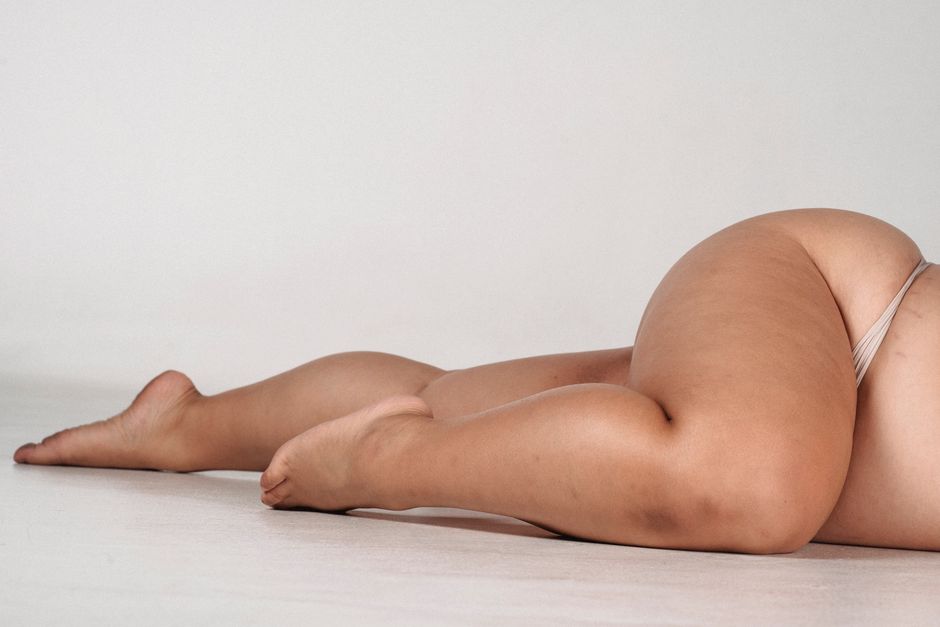
Cellulite on the thighs is a common concern, but the honest truth is that no cream, lotion, or gadget will permanently erase it. The most effective approach combines reducing overall body fat through diet and cardiovascular exercise with building muscle tone in the legs to create a smoother appearance. While genetics play a significant role in whether you develop cellulite, targeted lifestyle changes can visibly improve the look of your thighs over time.
What Causes Cellulite On Thighs?
Cellulite forms when fat cells push up against the connective tissue bands that attach your skin to your muscle. These bands pull down while the fat pushes up, creating the dimpled, cottage cheese appearance. This is normal anatomy, not a disease or a sign of poor health.
Women are far more likely to develop cellulite than men because of differences in how connective tissue and fat are arranged. Hormones like estrogen also influence fat storage and blood flow, which is why cellulite often appears or worsens during pregnancy and menopause. Genetics determine your skin thickness, fat distribution, and connective tissue structure, meaning some people are simply more prone to it regardless of their lifestyle.
How To Lose Cellulite On Thighs With Exercise
Exercise cannot spot-reduce fat, but it can change the structure of your thighs. Building muscle underneath the skin creates a firmer base that can reduce the visibility of dimpling. The goal is to reduce overall body fat while strengthening the muscles in your legs.
Strength training is the most effective way to build thigh muscle. Compound movements that engage multiple muscle groups give you the most benefit in the least time. These exercises force your quadriceps, hamstrings, and glutes to work together, which builds the foundation that supports smoother-looking skin.
- Squats — target the entire thigh and glute area
- Lunges — work each leg independently to correct imbalances
- Deadlifts — strengthen hamstrings and glutes
- Step-ups — build muscle while improving balance
- Leg press — allows heavy loading with back support
Aim for two to three strength sessions per week, allowing at least 48 hours of rest between sessions for the same muscle group. Progressive overload is key — you need to gradually increase the weight or repetitions over time to continue building muscle.
Cardiovascular exercise helps reduce overall body fat, which is necessary because fat reduction is systemic, not local. When you lose weight, you lose it from all over your body, not just your thighs. High-intensity interval training and steady-state cardio both work. Choose the form you will stick with consistently.
Does Diet Affect Thigh Cellulite?
Diet affects cellulite primarily through its impact on body fat percentage and fluid retention. Excess body fat increases the pressure on connective tissue bands, making dimpling more noticeable. Losing fat through a calorie deficit will reduce the fat volume pushing against the skin.
No specific food or elimination diet has been proven to remove cellulite. Some research suggests that diets high in processed foods and refined sugars may contribute to inflammation and fluid retention, which can make cellulite appear worse. A diet rich in whole foods, lean protein, fruits, vegetables, and plenty of water supports healthy skin and normal fluid balance.
Protein is particularly important because it provides the building blocks for muscle repair and growth. If you are strength training, adequate protein intake helps ensure your body can build the muscle that improves thigh appearance. Most adults need roughly 0.36 grams of protein per pound of body weight, though active individuals may need more.
Hydration matters for skin health. Dehydrated skin is thinner and less elastic, which can make cellulite more visible. Drinking enough water to keep urine light yellow is a reasonable target for most healthy adults, though individual needs vary based on activity level and climate.
Can Topical Creams And Lotions Reduce Cellulite?
The market for cellulite creams is enormous, but the evidence supporting their effectiveness is weak. Most products contain caffeine, retinol, or herbal extracts that temporarily tighten or plump the skin. These effects are short-lived and disappear within hours to days after you stop using the product.
Caffeine creams work by dehydrating cells and constricting blood vessels, which can temporarily reduce the appearance of dimpling. Retinol creams may thicken the skin over months of use, which could make cellulite less visible. Neither approach addresses the underlying fat and connective tissue structure.
No topical product has been shown to permanently reduce cellulite in well-designed clinical trials. Some products may offer temporary cosmetic improvement for a special occasion, but they are not a solution. Save your money if you are looking for lasting change.
Do Medical Treatments For Cellulite Work?
Several medical procedures claim to reduce cellulite, and evidence for their effectiveness varies significantly. These treatments are expensive, and results are not guaranteed. None of them are permanent solutions.
Laser and radiofrequency treatments work by heating the skin and underlying tissue, which can stimulate collagen production and thicken the skin. Some studies show modest improvement in cellulite appearance that lasts for several months to a year. Multiple sessions are typically required, and maintenance treatments are often needed.
Acoustic wave therapy uses sound waves to break up fibrous bands and improve blood flow. Some research suggests it can produce visible improvement, though results vary widely between individuals. The evidence base is smaller than for laser treatments.
Subcision is a procedure where a needle cuts the fibrous bands that pull down on the skin. This directly addresses the structural cause of dimpling. It is the most invasive option and carries risks including bruising, pain, and infection. Some studies show significant improvement, but the procedure requires a qualified practitioner.
These treatments are not covered by insurance because cellulite is considered a cosmetic concern. Before considering any medical treatment, consult with a board-certified dermatologist who can assess your specific situation and discuss realistic expectations. Be extremely wary of clinics that promise dramatic results, as marketing often outpaces the evidence.
What About Dry Brushing, Massage, And Body Wraps?
Dry brushing and massage are widely promoted as cellulite remedies, but they do not reduce fat or change connective tissue structure. These practices can temporarily improve blood flow and lymphatic drainage, which may reduce fluid retention and make skin look slightly smoother for a few hours. This is a cosmetic effect, not a structural change.
Body wraps work through a similar mechanism. They often contain ingredients that cause temporary skin tightening or fluid loss, but the effect disappears once you rehydrate. You will not lose fat from a body wrap, and any weight change is water weight that returns quickly.
These methods are not harmful when done properly, but they should not replace exercise and diet as your primary strategy. If you enjoy the way dry brushing or massage makes your skin feel, there is no reason to stop. Just understand that they are temporary cosmetic measures, not treatments.
How Long Does It Take To See Results?
There is no universally accepted timeline for cellulite improvement because results depend on your starting point, genetics, and consistency. With regular strength training and a modest calorie deficit, most people can expect to see some improvement within eight to twelve weeks. More significant changes typically require six months or longer.
It is important to understand that even with perfect adherence to exercise and diet, some people will still have visible cellulite. This is normal. The goal is improvement, not perfection. Comparing your thighs to images on social media is not a realistic benchmark because lighting, angles, and photo editing dramatically affect how cellulite appears in photographs.
Consistency matters more than intensity. A moderate exercise routine you maintain for years will produce better results than an aggressive program you abandon after a month. Focus on building sustainable habits rather than chasing quick fixes.
Are There Lifestyle Factors That Make Cellulite Worse?
Smoking damages collagen and reduces blood flow to the skin, which can make cellulite more visible. The evidence strongly supports quitting smoking for skin health and overall health. Smoking cessation is one of the most impactful changes you can make for your skin’s appearance.
Lack of physical activity contributes to muscle loss and fat gain, both of which worsen cellulite appearance. Sedentary behavior also impairs circulation and lymphatic drainage. Regular movement throughout the day, not just structured exercise, supports healthy skin.
Chronic stress elevates cortisol levels, which can promote fat storage and break down collagen. While the direct link between stress and cellulite is not fully established, managing stress through sleep, exercise, and relaxation practices supports overall health and may indirectly benefit skin appearance.
Rapid weight gain and loss can stretch the skin and alter fat distribution, potentially making cellulite more noticeable. Gradual, sustainable weight management is better for skin elasticity than yo-yo dieting.
Frequently Asked Questions
Can you completely get rid of cellulite on thighs?
No treatment completely eliminates cellulite because it is a normal structural feature of the skin and fat. Lifestyle changes and medical treatments can reduce its visibility, but some dimpling often remains.
How often should I exercise to reduce thigh cellulite?
Two to three strength training sessions per week targeting the legs, plus regular cardiovascular exercise, is a reasonable starting point. Consistency over months is more important than frequency in any single week.
Do cellulite creams work on thighs?
Most creams provide only temporary cosmetic effects that disappear within hours or days. No topical product has been proven to permanently reduce cellulite in clinical research.
Is losing weight the best way to reduce thigh cellulite?
Losing excess body fat can reduce the fat volume pushing against the skin, which makes cellulite less visible. Combining fat loss with strength training to build muscle produces the best cosmetic results.
