
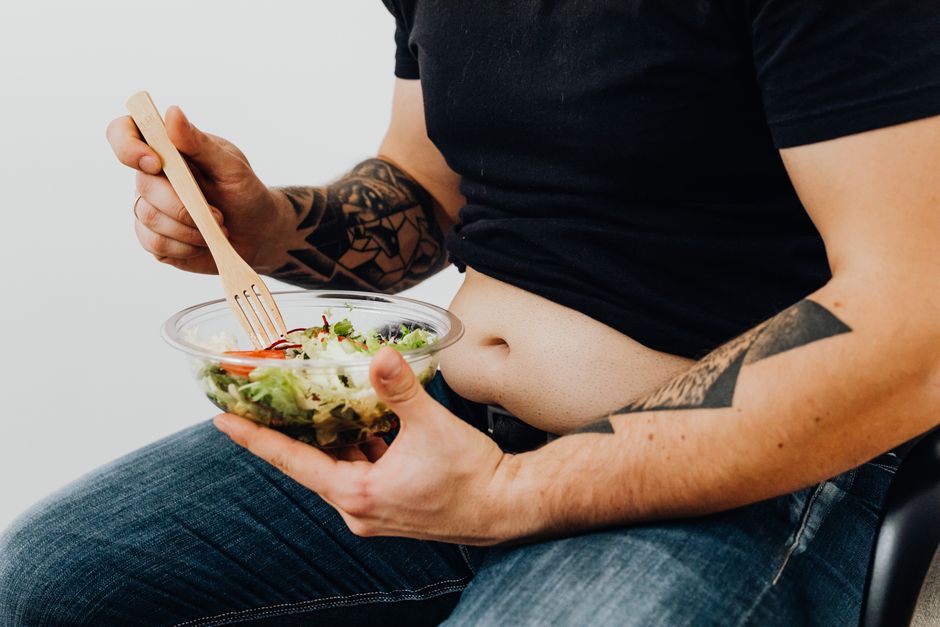
You cannot target belly fat with a spot exercise, a waist trainer, or a fat-burning cream. The fastest evidence-supported path to less belly fat without formal workouts is to cut added sugar and refined carbohydrates, eat more protein and fiber, protect your sleep, and add low-intensity daily movement like walking. No method removes belly fat “fast” in the sense of days or a couple of weeks. But the strategies below are the ones researchers and clinicians actually point to.
Why Does Belly Fat Resist Dieting?
Belly fat is not just under the skin. It comes in two forms, and only one is mostly cosmetic.
Subcutaneous fat sits just beneath the skin. You can pinch it. Visceral fat lies deeper, packed around the liver, intestines, and other organs. Visceral fat is the type linked to heart disease, type 2 diabetes, and fatty liver, and it is the type that matters most for health.
Visceral fat is metabolically active. It releases inflammatory signals and free fatty acids into the bloodstream, which is part of why it carries more risk than fat stored on the hips or thighs.
There is a piece of biology worth knowing here. Visceral fat responds to diet and exercise changes differently than fat elsewhere. Some research indicates it tends to come off relatively early during a calorie deficit compared with subcutaneous fat, even when the scale hasn’t moved much. That is one reason waist measurements can change before body weight does.
Genetics, age, hormones, and stress all influence where your body stores fat. You cannot choose your fat distribution pattern. You can influence how much fat you carry overall, and visceral fat tends to follow overall fat loss.
What Should You Eat to Lose Belly Fat Without Working Out?
Food choices do the heavy lifting when exercise is limited. The single most effective lever is reducing added sugar and refined starches, which drive insulin spikes and make it hard to stay in a calorie deficit without feeling hungry.
Here is what the evidence supports.
- Cut liquid sugar first. Sugary drinks, sweetened coffee, and juice deliver calories that barely register as food. Some studies link sugar-sweetened beverage intake to greater accumulation of visceral fat.
- Prioritize protein at every meal. Protein increases fullness and helps preserve muscle mass during weight loss. Muscle burns more calories at rest than fat does, so protecting it matters.
- Increase fiber. Vegetables, legumes, and whole grains slow digestion and improve satiety. Fiber also feeds gut bacteria, which some research links to metabolic health, though the clinical picture is still developing.
- Choose whole foods over ultra-processed ones. Ultra-processed foods are engineered to be easy to overeat. Some controlled feeding research found people ate more calories on a diet of ultra-processed food than on a matched whole-food diet.
- Do not fear healthy fats. Olive oil, nuts, and fatty fish support satiety and are part of well-studied eating patterns.
No single food burns belly fat. The idea that grapefruit, apple cider vinegar, green tea, or cayenne “melts” fat has no strong clinical support. Some small studies on green tea catechins show modest effects at best, and results are inconsistent. Treat any product marketed as a fat burner with skepticism.
Can You Lose Weight Without Exercise?
Yes. Weight loss is driven primarily by energy balance, and you can create a calorie deficit through food alone. Many people lose meaningful weight without a structured exercise program.
That said, exercise-free weight loss has a cost. Without resistance training or adequate protein, a portion of the weight you lose can come from muscle rather than fat. This is why protein intake and some form of muscle-preserving activity matter even if you are not “working out.”
Moderate calorie deficits tend to work better than aggressive ones. Very low calorie diets can produce faster early results but are harder to sustain, and the evidence on long-term outcomes is not encouraging for most people. A deficit that you can maintain for months beats a harsh one you abandon in three weeks.
Some clinicians recommend aiming for gradual, steady loss rather than rapid drops. The exact rate depends on your starting point and health status, so discuss targets with your doctor rather than chasing a number from the internet.
What Role Does Sleep Play in Belly Fat?
Sleep is not a soft factor. Short sleep changes appetite hormones in ways that make overeating more likely.
When you sleep too little, ghrelin (which signals hunger) tends to rise and leptin (which signals fullness) tends to fall. Some research also links short sleep to higher cortisol and to a preference for calorie-dense foods. Over time, these effects can push weight gain and specifically abdominal fat storage.
There is no single sleep number that fits everyone, but most adults need seven or more hours per night according to general sleep guidance. If you are chronically sleeping five or six hours, addressing that may do more for your waistline than any supplement.
Poor sleep also undermines willpower. Tired brains reach for quick energy. Fixing sleep often makes dietary changes easier without extra effort.
Does Stress Cause Belly Fat?
Chronic stress is associated with abdominal fat storage, and the mechanism is partly hormonal.
Cortisol, a stress hormone, promotes fat storage, and visceral fat appears more sensitive to cortisol than fat elsewhere. This is why some people notice belly weight gain during prolonged stressful periods even when their eating hasn’t changed dramatically.
The relationship is real but not simple. Stress also drives behaviors that cause weight gain, like emotional eating, poor sleep, and skipping activity. Teasing apart the hormonal effect from the behavioral one is difficult, and the research reflects that complexity.
What helps: regular sleep, time outdoors, breathing practices, and reducing chronic stressors where you can. These are low-risk and reasonable even if the fat-loss effect is modest.
How Can You Lose Belly Fat Fast Without Working Out?
Stack several small, sustainable changes rather than betting everything on one fix. The combined effect is what moves the needle.
- Cut added sugar and refined carbs — the highest-impact single change for most people.
- Eat protein at every meal to control hunger and protect muscle.
- Fill half your plate with vegetables at lunch and dinner.
- Walk more. This is not a formal workout, but daily steps add up. Some research links higher step counts to better weight management.
- Protect seven or more hours of sleep.
- Manage stress with low-intensity practices.
- Track your waist alongside weight. Waist circumference can reveal changes the scale hides.
Be honest with yourself about timelines. Noticeable belly fat loss usually takes weeks to months, not days. Anyone promising rapid results without effort is selling something. Sustainable change is slower but far more likely to last.
If you have a medical condition, take medications that affect weight, or are considering supplements, talk to your doctor first. Some supplements marketed for weight loss carry real risks, and the evidence for most is weak.
Frequently Asked Questions
Can you lose belly fat without exercise?
Yes, weight loss can happen through diet alone because it depends mainly on energy balance. However, without some muscle-preserving activity and adequate protein, you may lose muscle along with fat.
What is the fastest way to reduce belly fat?
The fastest evidence-supported approach is cutting added sugar and refined carbohydrates while eating more protein and fiber. There is no method that removes belly fat in days; meaningful change typically takes weeks to months.
Do waist trainers or fat-burning creams work?
No clinical evidence confirms that waist trainers, creams, or wraps reduce belly fat. They may cause temporary water loss or compression, but they do not remove fat.
Does walking help lose belly fat?
Walking supports weight management by increasing daily energy expenditure, and some research links higher step counts to better weight control. It works best combined with dietary changes rather than on its own.
