
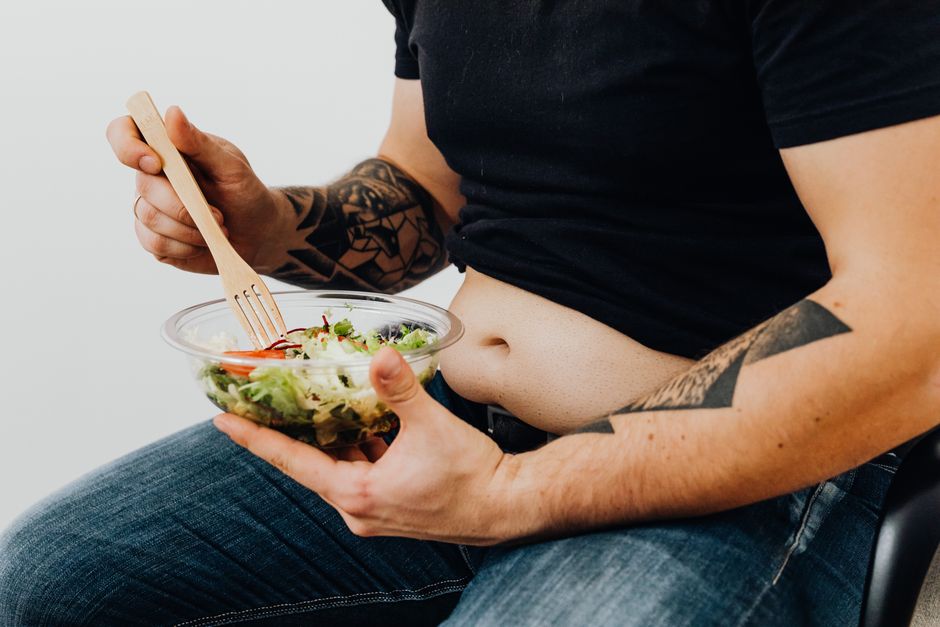
Belly fat is stubborn because it is not just one kind of fat. Visceral fat sits deep around your organs and responds to sleep, stress, and hormones as much as it does to food. Subcutaneous fat sits just under the skin and can be pinched. You cannot target either one with crunches alone. But the five habits below — eating enough protein, cutting liquid sugar, lifting weights, sleeping enough, and managing stress — are the ones with the most consistent evidence behind them for reducing belly fat at home.
Why Does Belly Fat Build Up in the First Place?
Fat storage is hormonal. When you eat more energy than you burn over time, the body stores the surplus. Where it stores it depends on genetics, sex, age, and stress hormones.
Visceral fat is the deeper layer wrapped around your liver, pancreas, and intestines. It is more metabolically active than the fat you can pinch. It releases fatty acids and inflammatory signals directly into the bloodstream. This is one reason a large waist is linked to higher risk of type 2 diabetes and heart disease, independent of overall body weight.
Cortisol, the main stress hormone, plays a role here. Chronic stress raises cortisol, and cortisol encourages fat storage in the abdominal area. That does not mean stress alone causes belly fat. It means stress is one input among several.
Age matters too. After roughly age 40, muscle mass tends to decline and fat shifts toward the abdomen in both men and women. For women, the drop in estrogen after menopause is associated with more abdominal fat storage. These are hormonal shifts, not personal failures.
Alcohol and liquid sugar also contribute. Sugary drinks deliver a large dose of fructose with almost no satiety signal. Fructose is metabolized mostly in the liver, and excess intake is associated with increased visceral fat storage.
How Do You Lose Belly Fat at Home?
You lose belly fat by creating a modest calorie deficit, protecting muscle mass, and lowering the hormonal drivers that push fat to the abdomen. No single food, tea, or exercise burns belly fat directly.
Spot reduction is a myth. Doing 200 crunches a day will strengthen your abdominal muscles but will not preferentially burn the fat covering them. The body draws on fat stores systemically, not from the muscle you happen to be working.
The five tips below address the levers that actually move the needle. None of them require a gym membership or special equipment.
1. Eat More Protein at Every Meal
Protein is the most satiating macronutrient. It keeps you full longer and helps preserve muscle during a calorie deficit. Preserved muscle keeps your resting metabolism higher.
A practical target for most adults is to include a palm-sized portion of protein at each meal. Eggs, Greek yogurt, chicken, fish, tofu, lentils, and cottage cheese are all easy options. Official protein recommendations vary by body weight and activity level, so there is no single number that fits everyone.
Protein also has a higher thermic effect than fat or carbohydrates. Your body burns more calories digesting it. The effect is real but modest. It will not melt belly fat on its own.
2. Cut Liquid Sugar and Alcohol
Sugary drinks are one of the clearest dietary links to visceral fat. Soda, sweetened coffee drinks, fruit juice, and sports drinks deliver calories without making you feel full. Studies have found that people who drink sugar-sweetened beverages regularly tend to carry more visceral fat than those who do not.
Alcohol is a separate issue. Drinking heavily is associated with abdominal fat accumulation in men in particular. Moderate drinking is less clear. The evidence does not support the idea that any amount of alcohol helps you lose fat.
Swap soda for sparkling water. Swap sweetened coffee for black coffee or coffee with a small amount of milk. These are small changes that add up over months, not days.
3. Lift Weights or Do Bodyweight Strength Work
Resistance training builds and preserves muscle. More muscle means a slightly higher resting metabolic rate. It also improves insulin sensitivity, which matters because insulin resistance is linked to visceral fat storage.
You do not need a gym. Bodyweight squats, push-ups, lunges, glute bridges, and rows with a resistance band all work. Two to three sessions per week is enough for most beginners.
Cardio helps too, but the evidence for resistance training specifically protecting lean mass during weight loss is stronger. A combination of both is reasonable. Walking after meals is a simple addition that may help with blood sugar control.
4. Sleep 7 to 9 Hours a Night
Short sleep raises cortisol and ghrelin, the hormone that makes you hungry. It also lowers leptin, the hormone that signals fullness. The result is that you eat more the next day without noticing.
Adults generally need 7 to 9 hours of sleep per night according to major sleep and health organizations. Consistently sleeping less than that is associated with higher body weight and more abdominal fat over time.
Sleep quality matters as much as duration. A dark, cool room and a consistent bedtime help. Screens before bed are a common disruptor, though the evidence on blue light specifically is mixed.
5. Manage Chronic Stress
Chronic stress keeps cortisol elevated. Elevated cortisol is associated with increased appetite and preferential fat storage in the abdomen. This is one of the better-established links in the belly fat research.
What helps is not one technique. It is having a reliable way to bring your nervous system down. Slow breathing, walking outside, time with people you like, and regular physical activity all count. Meditation has decent evidence for lowering perceived stress, though its direct effect on belly fat is less clear.
The goal is not to eliminate stress. It is to stop stress from running your eating and sleep habits.
What About Diet, Fasting, and Specific Foods?
No specific food burns belly fat. Claims about apple cider vinegar, green tea extract, cayenne, and “fat-burning” supplements are not supported by strong human trials. Some small studies show modest effects, but the effect sizes are tiny and the studies are often short.
Intermittent fasting can help some people eat less overall. The evidence does not show it is superior to regular calorie restriction for fat loss when calories are matched. If it fits your life and helps you eat less, it can work. If it makes you overeat later, it will not.
Low-carb and low-fat diets both produce fat loss when calories are reduced. Head-to-head trials generally show similar results at 12 months. The best diet is the one you can actually stick with.
What matters most is a modest, sustainable calorie deficit. Crash diets tend to backfire because they cause muscle loss and are hard to maintain.





How Long Does It Take to See Results?
Fat loss is slow. A safe and sustainable rate is roughly 0.5 to 2 pounds per week for most adults, based on widely accepted clinical guidance. Faster loss usually means more muscle loss and a higher chance of regaining the weight.
Belly fat often changes last. The body tends to draw on fat stores in a pattern determined by genetics, not by which area you want to shrink first. Waist measurements may not move for several weeks even when the scale does.
Measuring your waist once a month with a tape measure is more useful than weighing yourself daily. Waist circumference is a better indicator of visceral fat than body weight alone.
Realistic timelines: 4 to 8 weeks for noticeable changes in how clothes fit, and 3 to 6 months for meaningful waist reduction. Anyone promising faster results is selling something.
What Actually Does Not Work?
Ab belts, waist trainers, and vibration plates do not reduce belly fat. They may temporarily change how your midsection looks by compressing tissue or stimulating muscles, but they do not burn fat.
Detox teas and “flat tummy” teas usually work as laxatives. Any apparent flattening is dehydration and temporary. They do not reduce fat and can cause cramping and electrolyte problems.
Crunches alone will not reduce belly fat. They build the rectus abdominis muscle underneath, but the fat layer on top stays until overall fat loss occurs.
Spot reduction creams and patches have no credible evidence behind them. The skin is a barrier. Topical products do not reach fat cells in meaningful amounts.
The honest position is that there is no shortcut. The five habits above are not exciting, but they are what the evidence supports.
When Should You Talk to a Doctor?
Talk to a doctor if your waist is growing rapidly without a clear reason, if you have symptoms like fatigue, high blood pressure, or high blood sugar alongside abdominal weight gain, or if you have tried lifestyle changes for several months without results.
Some medical conditions cause abdominal fat gain. Cushing’s syndrome, polycystic ovary syndrome, and hypothyroidism are examples. So are some medications, including certain steroids and antidepressants. These are worth ruling out if the usual approaches are not working.
A doctor can also check for conditions linked to visceral fat, such as prediabetes, high cholesterol, and fatty liver. These often have no symptoms early on.
Waist circumference thresholds used clinically are 40 inches or more for men and 35 inches or more for women, though these cutoffs vary by population and are used alongside other risk factors, not alone.
Frequently Asked Questions
Can you lose belly fat without exercise?
Yes, if you eat in a calorie deficit long enough, you will lose fat including belly fat. Exercise, especially resistance training, helps preserve muscle and tends to produce better long-term results.
What is the fastest way to lose belly fat at home?
There is no fast way. The most reliable approach combines a modest calorie deficit, adequate protein, strength training, sufficient sleep, and stress management over several months.
Do crunches burn belly fat?
No. Crunches strengthen abdominal muscles but do not preferentially burn the fat covering them. Fat loss happens systemically across the body.
Does walking help reduce belly fat?
Walking can contribute to a calorie deficit and supports overall health, which may help reduce belly fat over time. It works best combined with strength training and dietary changes rather than on its own.
