
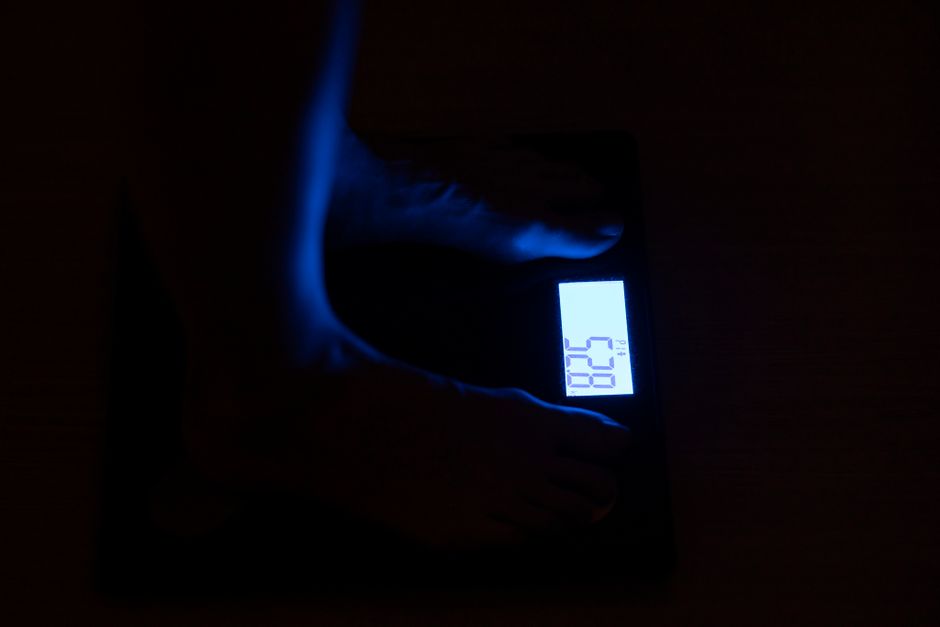
Losing five pounds in one week is possible, but it is mostly water weight and not body fat. A true fat loss of five pounds would require you to burn 17,500 calories more than you eat, which is not realistic or safe in seven days. What you can lose is the extra water, bloat, and glycogen that make the scale go up. This guide explains exactly how that works and what the evidence says.
Is It Safe To Try To Lose 5 Pounds In One Week?
The short answer is no for most people. Rapid weight loss puts stress on your body. The CDC states that losing one to two pounds per week is safe and sustainable. Losing five pounds in seven days usually means you are losing water and muscle, not fat.
Your body stores glycogen in your muscles and liver. Each gram of glycogen holds about three to four grams of water. When you cut calories and carbs hard, your body burns through glycogen. The water leaves with it. That is where most of the “five pounds” comes from. Some people report feeling dizzy, tired, or irritable on very low calorie plans. If you have a medical condition like diabetes, kidney issues, or heart problems, rapid weight loss can be dangerous. Check with your doctor before trying any extreme diet.
How To Lose 5 Pounds In One Week With Diet Changes
Diet is the main lever for rapid water weight loss. The goal is not starvation. The goal is to reduce the things that make your body hold water and bloat.
Cut sodium sharply. Sodium makes your body retain water. Processed foods, restaurant meals, and canned goods are loaded with it. Stick to whole foods like vegetables, lean meats, and unsalted nuts for the week. The American Heart Association recommends no more than 2,300 milligrams of sodium per day. For rapid loss, aim for under 1,500 milligrams.
Reduce carbohydrates. Carbs cause your body to store glycogen and water. Drop your carb intake to around 50 to 100 grams per day. That means no bread, pasta, rice, or sugary foods. Focus on non-starchy vegetables and protein. The water weight will drop fast.
Increase potassium. Potassium helps balance sodium and flush out water. Foods like spinach, avocado, salmon, and sweet potatoes are good sources. Do not take potassium supplements without medical supervision. Too much potassium can affect your heart rhythm.
Drink more water. This sounds backward, but it works. When you are dehydrated, your body holds onto water. Drinking plenty of water tells your body it is safe to release it. Aim for at least 10 to 12 cups per day.
| Diet Change | How It Helps | Example Foods |
|---|---|---|
| Low sodium | Reduces water retention | Fresh vegetables, unseasoned meat |
| Low carb | Depletes glycogen stores | Leafy greens, eggs, chicken |
| High potassium | Flushes excess sodium | Spinach, avocado, salmon |
| High water intake | Signals body to release water | Plain water, herbal tea |
What Role Does Exercise Play In Rapid Weight Loss?
Exercise helps, but not as much as people think in one week. You cannot outrun a bad diet in seven days. That said, movement does help you lose water and glycogen faster.
Sweating removes water. Intense exercise makes you sweat, which drops water weight temporarily. Cardio like running, cycling, or jumping rope works well. Aim for 30 to 60 minutes of moderate to intense activity each day. Do not overdo it. Pushing too hard can lead to injury or exhaustion.
Resistance training preserves muscle. When you cut calories fast, your body may break down muscle for energy. Lifting weights signals your body to hold onto muscle tissue. More muscle also means a slightly higher metabolism. Even two or three strength sessions during the week help.
Some studies suggest that high-intensity interval training, or HIIT, burns more calories in less time than steady cardio. Short bursts of all-out effort followed by rest can increase your calorie burn for hours after you stop. But again, the scale drop is mostly water and glycogen depletion, not fat.




What Are The Side Effects Of Losing Weight Too Fast?
Rapid weight loss comes with real risks. This is not something to take lightly.
Gallstones. Rapid weight loss increases your risk of gallstones. Your liver releases extra cholesterol into bile when you lose weight quickly. This can form stones that block your gallbladder. The National Institute of Diabetes and Digestive and Kidney Diseases warns that losing more than three pounds per week raises your risk.
Nutrient deficiencies. Very low calorie diets often lack vitamins and minerals. You may not get enough iron, calcium, or B vitamins. This can cause fatigue, hair loss, and weakened immune function.
Muscle loss. When you lose weight fast, about 25 percent of it can come from muscle. That slows your metabolism over time. You may regain weight faster when you go back to normal eating.
Electrolyte imbalance. Cutting carbs and sodium while increasing water intake can flush out electrolytes like sodium, potassium, and magnesium. This can cause muscle cramps, irregular heartbeat, or confusion. If you feel dizzy or your heart races, stop and eat a balanced meal.
Hormonal changes. Rapid weight loss can affect hormones that control hunger and stress. Cortisol levels may rise, making you feel more anxious or hungry later.
How To Keep The Weight Off After The Week
Most people regain the five pounds within a few days if they go back to old habits. The water and glycogen come back quickly. To keep the loss, you need to change your eating pattern for the long term.
Reintroduce carbs slowly. Do not eat a big bowl of pasta the day after. Add small amounts of healthy carbs like oats, quinoa, or sweet potatoes back over a week. Your body will refill glycogen stores, but you will not spike as high.
Maintain lower sodium. Keep processed foods to a minimum. Cook at home where you control the salt. Your body will hold less water overall.
Stay active. Regular exercise helps maintain weight loss. Aim for at least 150 minutes of moderate activity per week. That is about 30 minutes five days a week.
Weigh yourself weekly. Checking the scale once a week helps you catch small gains before they become big ones. If you see a two-pound gain, you can adjust your eating for a few days.
The research is clear that slow, steady weight loss leads to better long-term results. A study in the journal Obesity found that people who lost weight gradually were more likely to keep it off after one year. Rapid loss often leads to rapid regain.
Common Misconceptions About Losing 5 Pounds In A Week
There is a lot of bad advice online about this topic. Here is what the evidence actually shows.
Detox teas and cleanses do not work. These products often contain laxatives or diuretics. They force water out of your body through your bowels or kidneys. This is not fat loss. It can cause dehydration and cramping. The FDA has warned several companies about making false claims.
Sweat suits and sauna suits are dangerous. Wearing plastic suits to sweat more only removes water. You lose electrolytes and risk heat stroke. The weight comes back as soon as you drink anything.
Fasting for days is not necessary. Some people claim that eating nothing for 48 hours will drop five pounds. This is risky. You lose muscle, your blood sugar drops, and you may binge afterward. Intermittent fasting can be safe, but extended fasts require medical supervision.
Fat burners and diet pills do not cause fat loss. Most supplements marketed as fat burners contain caffeine or stimulants. They may suppress appetite briefly, but they do not burn fat. The Federal Trade Commission has fined companies for misleading advertising.
- Detox teas cause water loss, not fat loss
- Sweat suits risk heat injury and dehydration
- Extended fasting leads to muscle breakdown
- Fat burner supplements are not backed by strong evidence
Frequently Asked Questions
Can I lose 5 pounds in one week safely?
For most people, losing five pounds in one week is not safe and is mostly water weight. The CDC recommends losing one to two pounds per week for sustainable results.
What foods should I avoid to lose 5 pounds fast?
Avoid high-sodium foods like processed meats, canned soups, and salty snacks. Also cut out refined carbs like white bread, pasta, and sugary drinks.
How much water should I drink to lose water weight?
Drink at least 10 to 12 cups of water per day. Staying well hydrated helps your body release excess water rather than holding onto it.
Will I regain the weight after the week ends?
Yes, most people regain the weight within a few days because it is water and glycogen, not fat. Slow reintroduction of carbs and maintaining low sodium can help.
