
Tight leg muscles usually loosen with a mix of gentle movement, sustained stretching, and time. Muscles feel tight for two main reasons: they are genuinely short and stiff, or they are guarding because of fatigue, weak supporting muscles, or a sensitized nervous system. The fix depends on which one you are dealing with. Slow, steady stretching held long enough to let the muscle relax, combined with regular easy movement and attention to the muscles that support your legs, resolves most everyday tightness. Persistent or one-sided tightness deserves a medical look.
Why Do Leg Muscles Feel Tight?
Muscle tightness is a sensation, not always a measurement. A muscle can feel tight while being perfectly normal in length. Researchers who measure hamstring flexibility often find a weak link between how tight a muscle feels and how far it actually stretches.
That gap matters because it changes what helps. When tightness comes from a genuinely shortened muscle, stretching lengthens it over weeks. When tightness comes from a muscle working hard to stabilize a joint, or from a nervous system that keeps a muscle switched on, stretching alone often does little. The muscle relaxes when the underlying demand eases.
Common contributors include:
- Sitting for long stretches, which keeps hip flexors and hamstrings in a shortened position
- Weak glutes and core muscles, which leaves the legs doing work they were not built to do
- Dehydration and low electrolyte intake, which can increase cramping and stiffness
- Hard training without adequate recovery
- Stress and poor sleep, which raise resting muscle tension
- Age-related loss of muscle flexibility and connective tissue elasticity
Some tightness is a warning, not a nuisance. Calf tightness that comes on suddenly during activity, especially with swelling, redness, or warmth, needs urgent medical attention. So does tightness after a long period of immobility with pain that worsens. Those patterns can signal a blood clot, which is a medical emergency.
How To Loosen Tight Muscles In Legs With Stretching
Stretching works best when you hold it long enough for the muscle to actually let go. A quick touch-and-release does little. The muscle’s stretch reflex resists a fast pull, then settles after 20 to 30 seconds of steady tension.
Hold each stretch for 30 seconds, and repeat two to four times per muscle group. Do this most days. Consistency matters more than intensity. A stretch should feel like a firm pull, never sharp pain.
Two types of stretching are worth knowing:
- Static stretching — holding a position still. Best done after activity or as its own session. It temporarily reduces power output, so save it for after training rather than right before a sprint or heavy lift.
- Dynamic stretching — controlled movement through a joint’s range, like leg swings or walking lunges. Better before activity because it warms the tissue without blunting strength.
For the calves, stand facing a wall with hands on it, one leg back and straight, heel flat on the floor. Lean forward until you feel a pull in the back calf. Hold 30 seconds. Bend the back knee slightly to reach the deeper soleus muscle and hold again.
For the hamstrings, lie on your back and loop a towel or strap around one foot. Keep the leg straight and gently pull the leg toward you until you feel the pull behind the thigh. Hold 30 seconds.
For the hip flexors, kneel on one knee with the other foot forward. Tuck your pelvis slightly and shift your weight forward until you feel a stretch at the front of the hip of the kneeling leg. Hold 30 seconds. Avoid arching your lower back.
Does Foam Rolling Actually Help?
Foam rolling can reduce the feeling of tightness for a short time. It does not permanently lengthen muscle. The evidence points to a temporary change in how the muscle and nervous system sense tension, not a structural change in the tissue.
That does not make it useless. If rolling makes your legs feel better before a workout or helps you relax in the evening, it is a reasonable tool. Roll slowly over the muscle for 30 to 60 seconds, pause on tender spots, and keep breathing. Avoid rolling directly over joints, varicose veins, or areas with acute injury.
What rolling cannot do is replace strength work. If your hamstrings feel tight because your glutes are weak, no amount of rolling will fix the underlying problem.
Why Strength Training Loosens Tight Legs
Weak muscles often feel tight. This surprises people. A muscle that is underpowered for the demands placed on it tends to stay switched on, and that constant tension reads as tightness.
Building strength in the muscles that support the legs frequently reduces that sensation more than stretching does. The glutes, hamstrings, calves, and core all play a role in how the legs move and bear load.
Practical starting points:
- Glute bridges — lie on your back, knees bent, and lift your hips. Two to three sets of 10 to 15 repetitions.
- Standing calf raises — rise onto the balls of your feet slowly, lower slowly. Two to three sets of 10 to 15.
- Sit-to-stand from a chair — a simple, safe way to load the legs. Two to three sets of 8 to 12.
- Walking — the single most accessible way to keep legs moving and circulation flowing. Aim for a brisk walk most days.
Start with light resistance and progress gradually. Soreness in the day or two after is normal. Sharp pain during the movement is not.
What Else Helps Leg Muscles Relax?
Warmth helps muscles relax. A warm shower, a heating pad for 15 to 20 minutes, or a warm bath can ease resting tension. Heat increases blood flow and reduces the muscle’s guarding response. Avoid heat on an area that is swollen, hot, or newly injured — cold is better there in the first 48 hours.
Hydration and electrolytes matter more than most people realize. Muscles depend on sodium, potassium, and magnesium to contract and relax properly. Low intake, especially with heavy sweating, can increase cramping and stiffness. Water and normal food intake cover most people’s needs. No clinical guidelines currently recommend routine magnesium supplementation for muscle tightness in healthy adults, and the evidence for it is limited.
Sleep and stress are underrated. Muscle tension rises with poor sleep and sustained stress. This is not a soft recommendation — it reflects how the nervous system regulates muscle tone. Improving sleep and managing stress often reduces the background tightness people feel in their legs and calves.
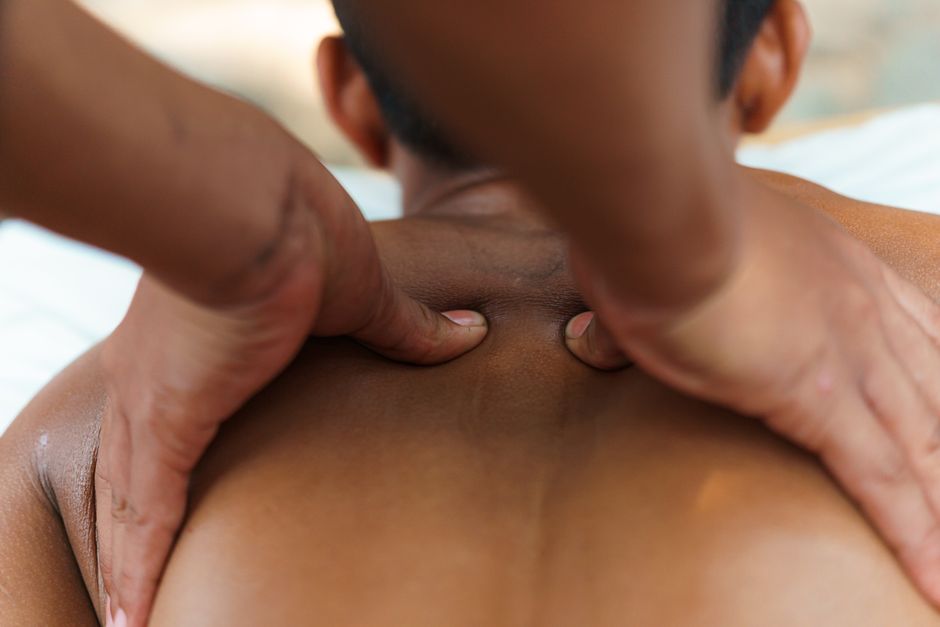
Massage can help in the short term. It reduces the sensation of tightness and can improve range of motion briefly. It does not replace movement or strength work.
When Should You See a Doctor?
Most leg tightness is harmless and improves with movement and time. Some patterns need medical attention.
See a doctor promptly if you have:
- Sudden tightness or pain in one calf, especially with swelling, warmth, or redness
- Tightness after long immobility, such as a flight or bed rest, with pain that worsens
- Pain that persists at rest or wakes you at night
- Weakness, numbness, or tingling in the leg or foot
- Tightness that does not improve after several weeks of consistent stretching and movement
Calf pain with swelling and warmth can indicate a deep vein thrombosis, a blood clot that requires urgent care. Do not massage a suspected clot.
Persistent tightness in one leg, or tightness that comes with back pain, can point to a nerve issue rather than a muscle problem. In that case, stretching the leg may worsen symptoms. A clinician can help sort out the cause.
Frequently Asked Questions
How long does it take to loosen tight leg muscles?
Most people notice improvement within two to four weeks of consistent stretching and daily movement. Genuinely shortened muscles take longer, often six to eight weeks of regular work.
Should I stretch before or after exercise?
Dynamic movement like leg swings and walking lunges is better before exercise, while static holds work best after activity. Static stretching right before intense effort can temporarily reduce power output.
Does magnesium help with tight leg muscles?
Evidence is limited for magnesium supplements easing muscle tightness in healthy adults, and no clinical guidelines currently recommend routine use for this purpose. Food sources like leafy greens, nuts, and beans support normal muscle function.
Why do my legs feel tight even when I stretch every day?
Stretching alone often does not resolve tightness caused by weak supporting muscles or a sensitized nervous system. Adding strength work for the glutes, hamstrings, and calves, plus better sleep and stress management, frequently helps more.
