
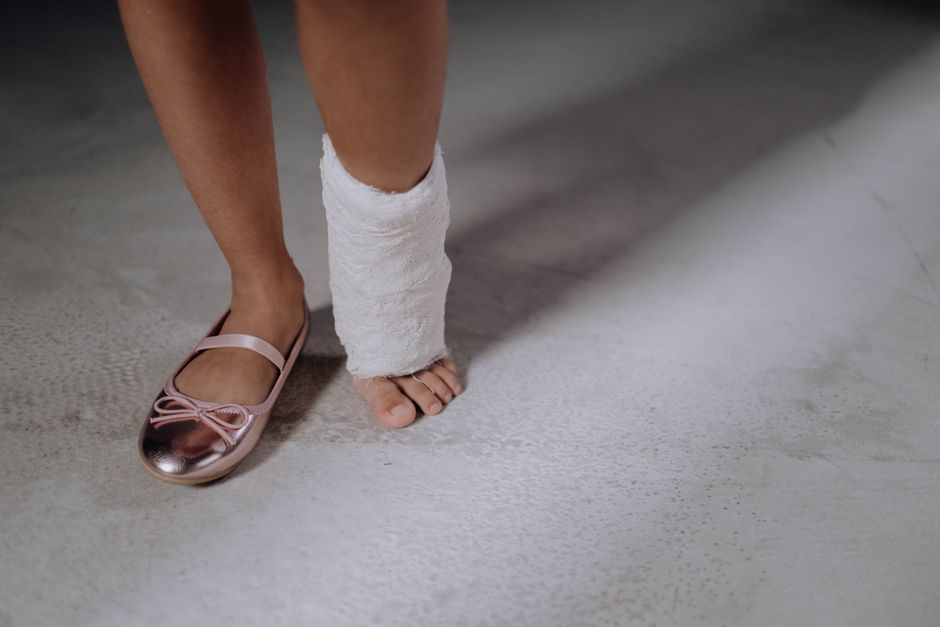
You cannot safely loosen a fiberglass cast at home. A cast is fitted to hold a broken bone or a healing joint in an exact position, and any change to that fit can let the bone shift. The right move is to call the clinic or emergency department that placed the cast and describe what feels wrong. In most cases the fix is a quick adjustment done by a clinician with a cast saw, and it is usually simple.
This article explains why a cast gets tight, what the warning signs are, what you can do in the meantime, and why the viral tricks for “loosening” a cast are a bad idea.
Why Does A Fiberglass Cast Feel Too Tight?
Swelling is the usual reason. Right after a fracture, the body sends extra fluid and immune cells to the injured area. That swelling peaks in the first few days and then slowly goes down. A cast applied on day one can feel much tighter by day two or three.
There are other reasons a cast feels tight that have nothing to do with swelling:
- The cast was applied while the limb was swollen and the fit was snug from the start.
- Padding has compressed under the pressure of the limb, changing how the cast sits.
- Muscle has shrunk from not being used, so the cast no longer fits the same way.
- Something is trapped inside, such as a fold in the padding or a small object.
- The cast has cracked or softened and is pressing in a new spot.
Swelling is normal. Pressure that keeps building is not. The difference matters, and it is the reason tightness should always be reported rather than managed at home.
What Are The Warning Signs Of A Cast That Is Too Tight?
Pressure inside a cast can cut off blood flow and pinch nerves. That is a medical problem, not a comfort problem. The signs to watch for are well established in orthopedic care:
- Pain that is getting worse instead of better, especially pain that feels out of proportion to the injury
- Numbness, tingling, or a “pins and needles” feeling in the fingers or toes
- Pale, gray, blue, or cold fingers or toes below the cast
- Swelling in the fingers or toes that does not go down when the limb is raised
- Being unable to move the fingers or toes normally
- A burning feeling under the cast
- A bad smell, drainage, or staining coming through the cast
These signs can point to compartment syndrome, a condition where pressure inside a limb rises high enough to damage muscle and nerve. It is uncommon but serious, and it is a medical emergency. If you have severe pain that keeps getting worse, numbness, or a cold and pale limb, seek emergency care right away. Do not wait to see if it improves.
Mild tightness with normal color, normal feeling, and pain that is easing is a different situation. That still deserves a phone call, but it is not the same emergency.
How To Loosen A Fiberglass Cast Safely At Home
The safe answer is that you do not loosen the cast yourself. You manage the swelling and you get the cast checked. Loosening a cast is a clinical procedure, and it is done with tools most homes do not have.
What you can do that is genuinely safe
- Elevate the limb. Keep the cast above the level of your heart as much as you can, especially in the first few days. Use pillows to prop it up when sitting or lying down. This is the single most useful thing for reducing swelling.
- Move the fingers or toes. Gentle wiggling of the fingers or toes that are outside the cast helps circulation. Ask your clinician what movement is allowed for your specific injury.
- Apply cold. An ice pack over the cast, wrapped in a thin cloth, can ease swelling. Keep it on for short periods, and never put ice directly against bare skin at the cast edges. Follow whatever timing your clinician gave you.
- Call the clinic. Describe the tightness, when it started, and any symptoms. Many casts can be adjusted, split, or replaced in a short visit.
What not to do
Do not cut, crack, bend, or pry the cast. Do not push objects down inside it to scratch or create space. Do not soak it or run water into it. Do not try to slide it off. Each of these can break the cast’s hold on the bone, damage the skin, or hide a problem that needs medical attention.





Why You Should Never Loosen A Cast Yourself
A cast is not just a cover. It is a medical device holding a bone in the position a clinician set it in. That position is what allows the bone to heal straight and strong.
If you loosen the cast even a little, the bone can shift. A shift can mean the fracture heals at an angle, heals more slowly, or needs to be reset. In some cases it means surgery that might otherwise have been avoided. The risk is not worth the small comfort of a looser fit.
There is another problem. A cast that has been tampered with can no longer do its job of protecting the limb. It may also hide swelling or skin damage that a clinician would otherwise catch. And a cast that is cracked or split at home may fail completely, which is a worse situation than the tightness you started with.
One point that gets missed: a cast that feels loose later in healing is not always a good sign. As swelling goes down and muscle shrinks, a cast can become too loose to hold the bone. That is also something to report. Both too tight and too loose are reasons to call.
What Happens When A Clinician Adjusts A Cast?
Adjusting a cast is routine. The clinician looks at the limb, checks circulation and feeling in the fingers or toes, and decides what the cast needs.
Common options include:
- Bivalving. The cast is cut along one or both sides to relieve pressure. The two halves are then wrapped to hold the limb. This is a common way to manage swelling.
- Window cut. A small section is removed to relieve pressure in one spot.
- Replacement. If the cast no longer fits or is damaged, it is removed and a new one is applied.
A cast saw is designed to cut the hard outer shell without cutting skin. It vibrates rather than spins in a way that would slice. That is why this job belongs to a clinician and not to a home tool.
Can You Prevent A Cast From Getting Too Tight?
You cannot control all swelling, but you can reduce the chance of a cast becoming a problem. Elevation is the main lever. Keeping the limb raised above heart level in the first days after injury helps limit swelling.
Follow the movement limits your clinician gives you. Some movement helps circulation; too much can disturb the fracture. Ask specifically what is allowed for your injury rather than guessing.
Keep the cast dry unless you were told otherwise. Fiberglass is more water-resistant than plaster, but the padding underneath is not, and a wet cast loses its fit and can irritate skin. Check the edges of the cast daily for redness, rubbing, or skin breakdown.
Report changes early. A tight cast caught in the first day or two is usually a quick fix. A tight cast left for a week can become a bigger problem.
When Should You Call Your Doctor About A Cast?
Call the same day if the cast feels tighter than it did, if pain is increasing, or if you notice any change in color, feeling, or movement in the fingers or toes. Call sooner, or seek emergency care, if you have severe pain, numbness, a cold or pale limb, or a burning feeling under the cast.
Also call if the cast feels loose, cracks, gets wet, smells bad, or has drainage coming through it. These are all signs the cast is no longer doing its job.
Frequently Asked Questions
Can I loosen a fiberglass cast at home?
No. Loosening a cast at home can let the bone shift and is not safe. Call the clinic that placed the cast so a clinician can check it and adjust it if needed.
How do you relieve pressure in a cast?
Elevate the limb above heart level, wiggle the fingers or toes if your clinician allows it, and apply a cloth-wrapped ice pack over the cast. If pressure does not ease or you have numbness or color changes, get medical care right away.
What happens if a cast is too tight?
A tight cast can reduce blood flow and pinch nerves, which is a medical concern. Signs include worsening pain, numbness, tingling, and pale or cold fingers or toes, and these need prompt medical attention.
Can I cut my cast off myself?
No. Cutting a cast at home risks cutting skin, damaging the limb, and letting the bone shift. Cast removal is done with a cast saw by a clinician.
