
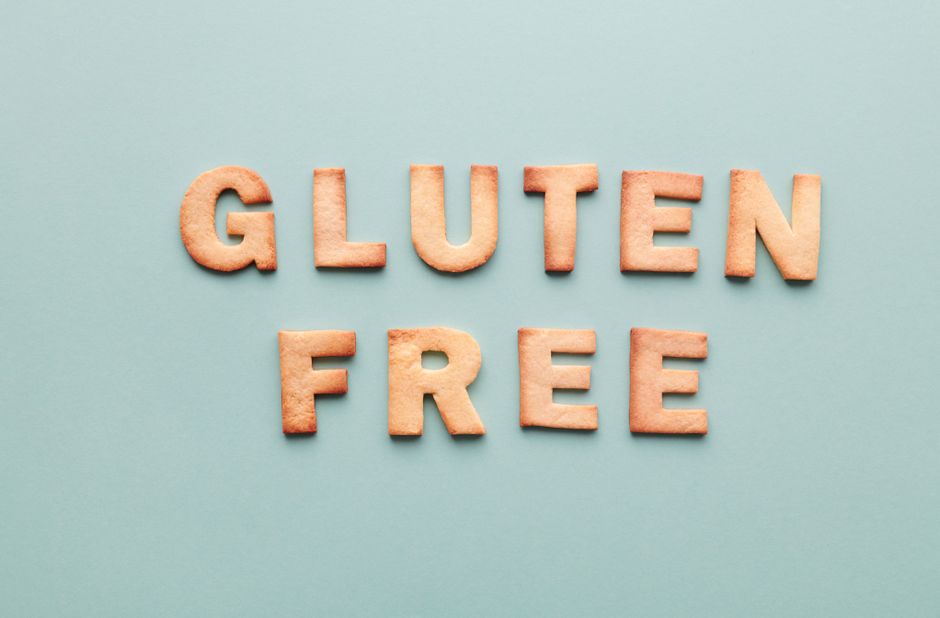
A gluten-free diet means avoiding wheat, barley, and rye — and everything made from them. You replace those grains with naturally gluten-free foods like rice, corn, oats (certified gluten-free), potatoes, beans, fruits, vegetables, meat, fish, eggs, and dairy. The diet is the only established treatment for celiac disease, and it also helps people with non-celiac gluten sensitivity and wheat allergy.
For most people, the eating part is manageable. The hard part is everything around it: reading labels, eating out, and avoiding cross-contact. This guide covers what to eat, what to avoid, and how to do it without getting sick.
What Is Gluten And Where Does It Hide?
Gluten is a group of proteins found in wheat, barley, and rye. It gives bread its stretch and chew. It also shows up in foods you would never suspect, which is why label reading matters more than cooking skill.
The obvious sources are bread, pasta, cereal, crackers, and baked goods. The less obvious ones include soy sauce, malt vinegar, some salad dressings, canned soups, seasoned rice mixes, and processed meats. Beer and most ales contain gluten from barley. Some medications and supplements use wheat starch as a filler.
Oats deserve their own note. Oats do not contain gluten naturally, but they are often grown, harvested, and processed alongside wheat. This causes cross-contact. Only oats labeled “certified gluten-free” are considered safe on a strict gluten-free diet.
Distilled alcohol is a separate case. The distillation process removes gluten proteins, and most distilled spirits — including those made from wheat or barley — are considered gluten-free by major celiac organizations. This surprises many people. If you have celiac disease and are unsure about a specific product, check with the manufacturer.
What Foods Are Naturally Gluten Free?
Whole foods that never contained gluten are the safest foundation of the diet. These include:
- Fruits and vegetables — fresh, frozen, or canned without added sauces
- Meat, poultry, and fish — plain, not breaded or marinated
- Eggs
- Beans, lentils, and legumes
- Nuts and seeds — plain, not coated or flavored
- Rice, corn, quinoa, buckwheat, millet, and sorghum
- Potatoes, sweet potatoes, and other starchy vegetables
- Milk, cheese, and plain yogurt
These foods form the backbone of a healthy gluten-free diet. They are also naturally rich in the nutrients that gluten-free processed foods often lack.
A common mistake is relying heavily on packaged gluten-free products. They are convenient, but many are made from refined flours like white rice flour or tapioca starch. These have less fiber and fewer vitamins than their whole-grain counterparts. Some research suggests that people on a gluten-free diet may take in less fiber, iron, and certain B vitamins than people on a standard diet. Building meals around whole foods helps close that gap.
How Do You Read Labels For Gluten?
In the United States, a “gluten-free” label claim is regulated by the FDA. Products carrying that label must contain less than 20 parts per million of gluten. That threshold is set by the FDA and is the standard used in most countries. For the vast majority of people with celiac disease, foods at or below this level are considered safe.
The label is helpful, but it is not the whole story. Here is what to watch for:
- Wheat — always a red flag unless the label says gluten-free
- Barley — often listed as malt, malt flavoring, or malt vinegar
- Rye — less common but appears in some breads and crackers
- Triticale — a wheat-rye hybrid
- Oats — safe only if certified gluten-free
“Wheat-free” is not the same as “gluten-free.” A product can be wheat-free and still contain barley or rye. This is one of the most common sources of confusion.
In 2023, the FDA updated its guidance on evaluating gluten in fermented and hydrolyzed foods, including things like soy sauce and certain vinegars. The agency’s position is that these products need to be tested or assessed differently because standard testing methods do not always work on them. If you have celiac disease, this is a reason to choose products clearly labeled gluten-free rather than assuming a fermented food is safe.


How Do You Avoid Cross-Contact?
Cross-contact happens when a gluten-free food touches gluten during cooking, preparation, or serving. Even a small amount — a crumb from a shared toaster, a knife used on regular bread — can trigger symptoms in someone with celiac disease.
At home, the practical steps are straightforward:
- Use a separate toaster or toaster bags for gluten-free bread
- Keep separate butter, jam, and condiment jars, or use squeeze bottles
- Use a dedicated cutting board and utensils when possible
- Wash hands, surfaces, and tools thoroughly between tasks
- Store gluten-free flours in sealed containers away from wheat flour
Wheat flour is a fine powder that lingers in the air and settles on surfaces. If you bake with regular flour, cleaning up carefully afterward matters. Some people with celiac disease find that airborne flour during baking causes symptoms, though the evidence on this is limited and mostly anecdotal. The bigger risk is flour residue on counters and utensils.
Eating out is harder. Restaurants are not required to follow the same labeling rules as packaged foods. A server saying “it’s gluten-free” is not a guarantee. Ask specific questions: Is the fryer shared? Is the sauce thickened with flour? Is the grill cleaned between orders? Some people find that sticking to restaurants with dedicated gluten-free menus or trained staff reduces risk.
What About Gluten-Free Oats And Processed Foods?
Certified gluten-free oats are grown and processed under protocols that prevent cross-contact with wheat, barley, and rye. They are generally considered safe for people with celiac disease. Some people with celiac disease still react to oats, though the reason is not fully understood. If you notice symptoms after eating certified gluten-free oats, talk to your doctor.
Processed gluten-free foods — breads, pastas, snacks, frozen meals — are a mixed bag. They make the diet easier to follow. But many are lower in fiber and higher in sugar, salt, and fat than the gluten-containing foods they replace. Some research indicates that people who rely heavily on these products may have lower intakes of certain nutrients. That does not mean they are unhealthy. It means they work best as part of a diet that also includes whole foods.
One non-obvious point: gluten-free does not mean low-carb or low-calorie. A gluten-free cookie is still a cookie. The label describes what is absent, not what is nutritious.
What Nutrients Should You Watch On A Gluten-Free Diet?
When you cut out wheat, barley, and rye, you also cut out a major source of certain nutrients. Wheat flour in the US is enriched with iron, folic acid, and B vitamins. Gluten-free flours often are not.
Nutrients that may need attention include:
- Fiber — whole grains are a main source; replace with beans, lentils, vegetables, and gluten-free whole grains
- Iron — found in meat, beans, and fortified cereals; pair with vitamin C to improve absorption
- Calcium — dairy, leafy greens, and fortified plant milks
- Folate and other B vitamins — leafy greens, legumes, and fortified products
- Vitamin D — fatty fish, fortified foods, and sunlight
People newly diagnosed with celiac disease often have nutrient deficiencies before starting the diet, because the damaged intestine does not absorb nutrients well. A doctor may recommend blood tests to check levels and may suggest supplements. Do not start supplements without talking to your doctor, especially if you are pregnant or have other health conditions.
A registered dietitian familiar with celiac disease can help you build a diet that meets your needs. This is not a luxury. It is one of the most practical steps you can take after diagnosis.
Does Everyone Need A Gluten-Free Diet?
No. A gluten-free diet is medically necessary for people with celiac disease, wheat allergy, and non-celiac gluten sensitivity. For everyone else, there is no established health benefit to avoiding gluten.
Celiac disease is an autoimmune condition affecting about 1% of people worldwide, according to estimates from major gastroenterology organizations. It damages the small intestine and can lead to serious complications if untreated. Wheat allergy is different — it is an immune reaction that can cause hives, swelling, or difficulty breathing. Non-celiac gluten sensitivity is a condition where people have symptoms after eating gluten but test negative for celiac disease and wheat allergy. The mechanism is not well understood.
If you suspect any of these, do not stop eating gluten before testing. Celiac blood tests and biopsies require you to be eating gluten for results to be accurate. Stopping first can lead to a false negative. Talk to your doctor before making changes.
Frequently Asked Questions
What foods should I avoid on a gluten-free diet?
Avoid wheat, barley, rye, and triticale, plus anything made from them — bread, pasta, most cereals, beer, and many processed foods. Also avoid regular oats unless they are labeled certified gluten-free.
Is rice gluten-free?
Yes, rice is naturally gluten-free in all its forms, including white, brown, and wild rice. Check packaged rice mixes, which often contain flavorings or seasonings that include gluten.
Can I eat oats on a gluten-free diet?
Only if they are labeled certified gluten-free, because regular oats are often cross-contaminated with wheat during growing or processing. Some people with celiac disease still react to certified oats and should talk to their doctor.
How do I know if a product is gluten-free?
Look for a “gluten-free” label, which in the US means the product contains less than 20 parts per million of gluten. “Wheat-free” is not the same thing and does not guarantee the product is gluten-free.
