
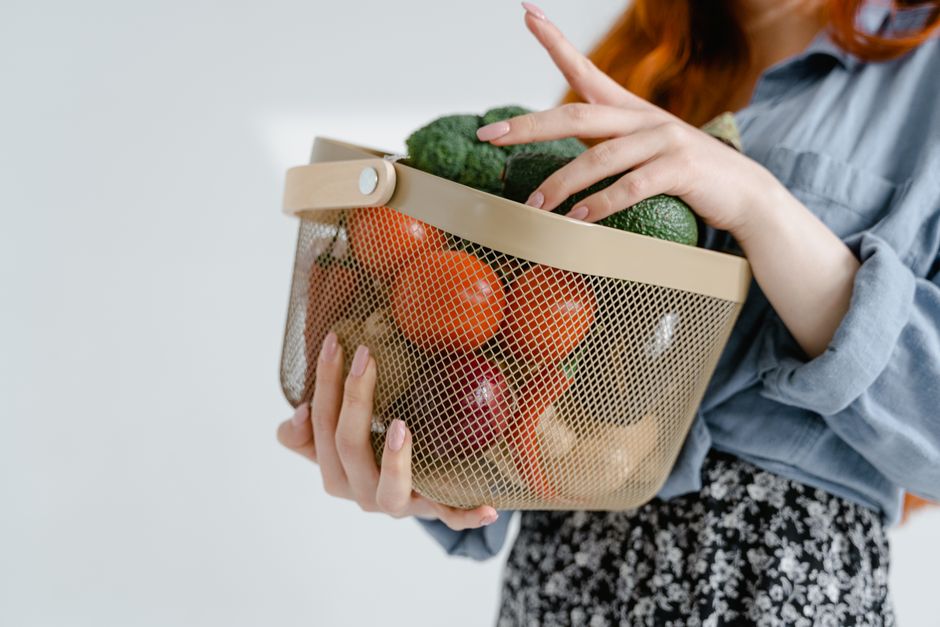
A vegan lifestyle means eating no animal products at all — no meat, fish, dairy, eggs, or honey — and it usually extends beyond food to choices about clothing, cosmetics, and household goods. For beginners, the practical path is to plan meals around protein, get reliable vitamin B12, and build a balanced plate from plants. Most people adjust over a few weeks, not overnight.
Going vegan is not complicated, but it does take a little planning. The nutrient gaps that matter most are well documented, and they are manageable with basic knowledge. This guide covers what to eat, what to supplement, what to watch for, and the mistakes that trip up most new vegans.
How To Live A Vegan Lifestyle Tips For Beginners?
Start with a small number of reliable meals you can cook without thinking, then build variety from there. Beginners who try to overhaul everything at once tend to run out of ideas and fall back on processed food or give up.
The core of a vegan plate is straightforward: a protein source, a whole grain or starchy vegetable, vegetables, and a source of healthy fat. Beans, lentils, tofu, tempeh, and edamame cover protein well. Whole grains like oats, brown rice, and whole wheat bread round out energy. Nuts, seeds, and olive oil supply fat.
Three practical starting points:
- Learn four or five meals you actually like before expanding.
- Keep canned beans, frozen vegetables, and tofu on hand for low-effort days.
- Read labels on packaged foods — milk powder, whey, casein, and gelatin appear in products you would not expect.
A transition period is normal. Some people shift gradually, cutting red meat first, then poultry, then dairy and eggs. There is no rule that you must go cold turkey. Gradual change is often easier to sustain, and sustained change is what matters for health.
What Nutrients Do Vegans Need to Pay Attention To?
Vitamin B12 is the one nutrient that cannot be reliably obtained from plant foods. B12 occurs naturally in animal products, and the plant sources people cite — fermented foods, algae, nutritional yeast without fortification — are not reliable. Deficiency causes nerve damage and anemia that can become permanent if untreated.
Anyone eating a fully vegan diet needs a B12 supplement or reliably fortified foods. This is not controversial. Major nutrition bodies consistently recommend supplementation for vegans. The exact dose depends on the form and frequency, so check the product label or ask a clinician rather than guessing.
Other nutrients to watch:
- Iron. Plant iron (non-heme) is absorbed less efficiently than iron from meat. Pairing iron-rich foods with vitamin C — citrus, peppers, tomatoes — improves absorption. Beans, lentils, spinach, and fortified cereals are good sources.
- Omega-3 fatty acids. The important long-chain forms (EPA and DHA) come mainly from fish. Plant sources like flax, chia, and walnuts supply ALA, which the body converts to EPA and DHA, but conversion is limited. Some vegans choose an algae-based DHA supplement.
- Calcium. Fortified plant milks, tofu made with calcium sulfate, leafy greens, and tahini are solid sources. Check that your plant milk is fortified.
- Zinc. Found in beans, nuts, seeds, and whole grains. Soaking and sprouting can improve absorption.
- Iodine. Plant sources vary widely depending on soil. Some vegans use iodized salt or a supplement.
Protein gets more worry than it deserves. Most people eating enough calories from varied plant foods meet protein needs without effort. The exception is anyone eating very little or relying heavily on low-protein foods.
Is a Vegan Diet Safe for Everyone?
No. A well-planned vegan diet can meet the needs of most adults, but some groups need extra care or clinical guidance. This is where honesty matters more than enthusiasm.
Pregnancy and breastfeeding. Vegan diets can be followed during pregnancy, but they require careful planning and monitoring. B12, iron, iodine, and DHA status matter for fetal development. Guidance from a clinician or registered dietitian is strongly advised. No general dosing guidance applies to pregnant or breastfeeding women without individual assessment.
Infants and children. Vegan diets for infants and children require close professional supervision. Growth monitoring, B12, and adequate calories and protein are essential. This is not a do-it-yourself category.
People with certain medical conditions. Anyone with kidney disease, digestive disorders, or a history of eating disorders should discuss a vegan diet with their care team before starting.
For healthy adults, the evidence on vegan diets is generally favorable. Research consistently shows that well-planned plant-based diets are associated with lower risk of some chronic diseases, though the strength of that evidence varies by outcome. The key phrase is “well-planned.” A diet of soda, white bread, and fried food is technically vegan and not healthy.
How Do You Build a Balanced Vegan Plate?
Use the plate method as a simple visual guide. Fill roughly half your plate with vegetables and fruit, a quarter with whole grains or starchy vegetables, and a quarter with protein-rich plant foods. Add a small amount of healthy fat.
A sample day might look like this:
- Breakfast: Oatmeal with fortified soy milk, ground flax, and berries.
- Lunch: Lentil soup with whole grain bread and a side salad with lemon dressing.
- Dinner: Stir-fried tofu with broccoli, peppers, and brown rice.
- Snacks: Hummus with vegetables, a handful of nuts, or fortified plant yogurt.
Variety is the real safeguard. The more colors and food groups you eat across a week, the more likely you are to cover your nutrient bases. Rotate your proteins — beans one day, tofu the next, lentils after that.
One non-obvious point: fortified foods do a lot of quiet work in a vegan diet. Plant milks, cereals, and nutritional yeast are often fortified with B12, calcium, and vitamin D. Checking labels tells you what you are actually getting.
What Should Beginners Watch Out For?
The most common beginner mistake is replacing meat with highly processed vegan products and calling it done. Meat alternatives, vegan cheeses, and packaged snacks can be high in sodium and saturated fat. They are fine occasionally, but they should not become the foundation of your diet.
Other things to watch:
- Under-eating. Plant foods are often less calorie-dense, so portions may need to be larger than you expect.
- Fiber overload. A sudden jump in beans and whole grains can cause bloating and gas. Increase gradually and drink enough water.
- Hidden animal ingredients. Gelatin in candy and marshmallows, whey in protein powders, casein in some “non-dairy” cheeses, and honey in baked goods.
- Non-food products. Leather, wool, silk, and some cosmetics and cleaning products contain animal derivatives.
Social situations deserve a mention. Eating out, holidays, and family meals can feel awkward at first. Checking menus ahead, suggesting restaurants, and bringing a dish to share makes it easier. Most people find this settles within a few months.
Do You Need Supplements on a Vegan Diet?
Vitamin B12 is the one supplement nearly every vegan needs. Beyond that, the answer depends on your diet and your bloodwork.
Some vegans also benefit from vitamin D, especially in low-sunlight climates or winter months. Algae-based omega-3 supplements are a reasonable option for people who want direct EPA and DHA rather than relying on conversion from plant ALA. Iron and iodine supplementation should be guided by testing or clinical advice, not guesswork.
Periodic bloodwork is a sensible practice. Checking B12, iron status, and vitamin D gives you real information instead of assumptions. Many clinicians recommend this for anyone on a long-term vegan diet.
There is a difference between what is widely done and what is firmly established. B12 supplementation is firmly established. Routine supplementation of everything else is more individualized and depends on diet quality and lab results.
Frequently Asked Questions
What is the most important supplement for vegans?
Vitamin B12 is the one nutrient that cannot be reliably obtained from plant foods, so a supplement or fortified foods are needed. Deficiency can cause lasting nerve damage if untreated.
Can you get enough protein on a vegan diet?
Yes, most people eating enough calories from varied plant foods meet protein needs without effort. Beans, lentils, tofu, tempeh, and whole grains are reliable sources.
How long does it take to adjust to a vegan diet?
Most people adjust within a few weeks, though digestion and meal planning often take a month or two to settle. Increasing fiber gradually helps reduce bloating.
Is a vegan diet safe during pregnancy?
It can be, but it requires careful planning and clinical monitoring of B12, iron, iodine, and DHA. Guidance from a clinician or registered dietitian is strongly advised.
