
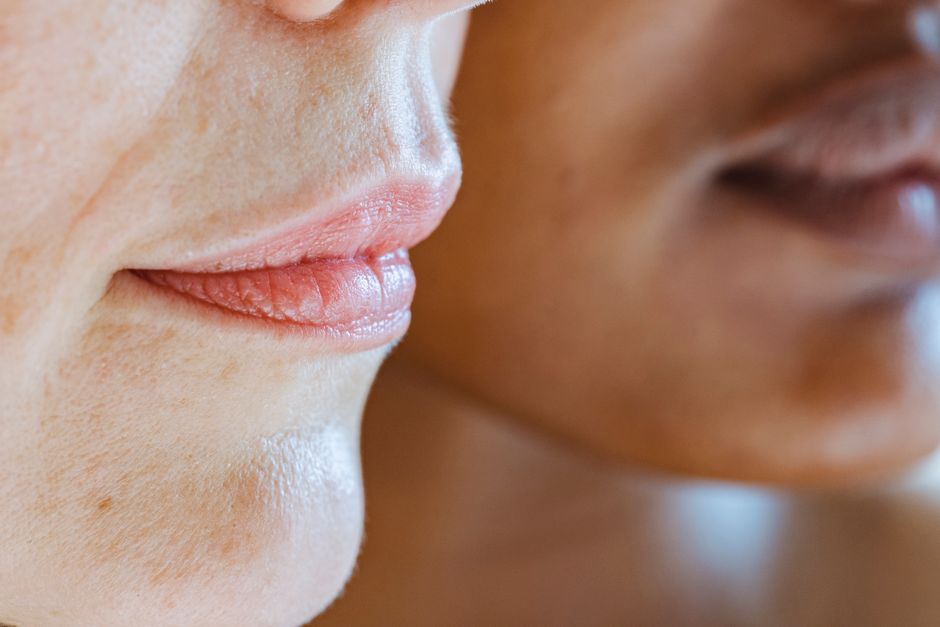
Dark skin around a piercing is usually a harmless buildup of pigment called hyperpigmentation, not an infection or an allergic reaction. It happens because melanocytes — the cells that make skin color — release extra pigment while the skin heals from the piercing wound. The best way to lighten it is to remove the cause: stop irritation, protect the area from sun, and give the skin time to repair itself. Most piercing-related darkening fades on its own over weeks to months once the piercing settles.
Why Does Piercing Skin Turn Dark?
When skin is punctured, the body sends repair cells to the site. This is normal wound healing. As part of that process, melanocytes near the wound can produce more melanin than usual. Melanin is the pigment that gives skin its color. Extra melanin shows up as a darker patch.
Doctors call this post-inflammatory hyperpigmentation. It is common after any skin injury, including acne, cuts, burns, and piercings. People with darker skin tones have more active melanocytes, so they are more likely to develop these dark patches.
The darkening is not a sign that something is wrong with the piercing itself. It is a response to the wound and to ongoing irritation. That distinction matters because it shapes what actually helps.
Is the Dark Skin a Sign of Infection?
Dark skin alone is not a sign of infection. Infection has different signs: increasing redness, warmth, swelling, throbbing pain, yellow or green discharge, and sometimes fever. Hyperpigmentation is flat and usually painless.
That said, irritation and infection can both cause darkening, and they can overlap. If you have spreading redness, pus, or pain that is getting worse, that is a medical issue and needs a doctor or clinician — not a home lightening routine.
Here is a detail worth knowing: a raised, firm bump that feels like a small scar at the piercing site is more likely a keloid or hypertrophic scar than simple hyperpigmentation. Keloids are overgrown scar tissue. They are more common in people with darker skin tones. They are a different problem from flat dark pigmentation and do not respond to the same approaches.
How Do You Lighten Dark Skin Around a Piercing?
The single most effective step is to stop whatever is irritating the skin. Ongoing irritation keeps melanocytes active, so the darkening keeps being reinforced. Lightening the patch means breaking that cycle first.
Key steps that help:
- Stop touching, twisting, or rotating the jewelry. Movement tears healing tissue and triggers more pigment.
- Clean gently with a saline wound wash or plain saline solution. Avoid alcohol, hydrogen peroxide, and harsh soaps, which irritate skin further.
- Keep the area out of direct sun. Ultraviolet light darkens existing pigmentation and can make it last longer. Cover the piercing with a bandage or clothing when outdoors.
- Do not pick at crusting or scabs. Picking reopens the wound and adds pigment.
- Give it time. Once irritation stops, the skin gradually replaces pigmented cells. This typically takes weeks to several months.
For many people, these steps are enough. The darkening fades as part of normal skin turnover without any product at all.



Do Lightening Creams and Serums Work?
Some over-the-counter ingredients have evidence for fading hyperpigmentation in general, but the evidence is not specific to piercing sites. Results vary, and none of these products are proven to work faster than simply removing irritation and waiting.
Ingredients with some supporting evidence for hyperpigmentation include:
- Vitamin C (ascorbic acid) — studied for general skin brightening.
- Niacinamide — studied for reducing pigment transfer in skin.
- Azelaic acid — used for some pigment conditions.
- Alpha arbutin — a gentler pigment ingredient.
Prescription-strength options like hydroquinone and tretinoin are used by dermatologists for stubborn hyperpigmentation. These are not appropriate to apply to a healing piercing without medical guidance. Hydroquinone in particular can cause problems with misuse, including a paradoxical darkening called ochronosis with long-term use.
Be skeptical of products marketed specifically for piercing darkening. No clinical evidence confirms that these targeted products work better than general pigment ingredients. Marketing claims about “removing dark spots around piercings” are not backed by trials.
What Makes Piercing Hyperpigmentation Worse?
Several habits and conditions keep the darkening going or make it last longer. Removing them is often more useful than adding any product.
- Sun exposure — the biggest aggravator. UV light stimulates melanin production directly.
- Friction from clothing, hair, or jewelry — constant rubbing keeps the skin inflamed.
- Sleeping on the piercing — pressure and movement delay healing.
- Cheap or reactive metals — nickel and some alloys can cause allergic contact dermatitis, which drives pigment. Surgical stainless steel, titanium, niobium, or 14K+ gold are less likely to react.
- Picking and scratching — mechanical trauma adds pigment.
- Certain medications — some drugs increase sun sensitivity and pigmentation. If you notice new darkening while on a medication, ask your doctor.
If a piercing is fully healed and still dark after many months, the jewelry itself may be the ongoing trigger. Sometimes removing the jewelry lets the skin finally calm down.
When Should You See a Doctor?
See a doctor or dermatologist if the dark patch is spreading, changing shape, or not improving after months. Also seek care if you have signs of infection, a growing raised bump, or darkening that appears unrelated to the piercing.
A dermatologist can tell the difference between hyperpigmentation, a keloid, and other skin conditions. That distinction changes the treatment entirely. A flat pigment patch and a keloid scar are managed very differently.
For people with darker skin tones, some pigment conditions can be more persistent. A clinician familiar with skin of color can offer options that are appropriate for your skin type. Do not assume a general skin-lightening product is safe for your situation.
How Long Does It Take to Fade?
Once the irritation stops, post-inflammatory hyperpigmentation typically fades over weeks to several months. The exact timeline depends on your skin tone, the size of the patch, how much irritation occurred, and how much sun exposure the area gets.
There is no reliable way to predict an exact number of weeks for any one person. Some patches clear quickly. Others linger for a year or more, especially on darker skin tones. This is a general pattern, not a guarantee.
Consistency matters more than speed. Protecting the area from sun and stopping irritation gives the skin the best chance to fade on its own. Products may help at the margins, but they do not replace those fundamentals.
Frequently Asked Questions
Will the dark skin around my piercing go away on its own?
In most cases, yes. Once irritation stops and the area is protected from sun, the pigmentation gradually fades over weeks to months as skin renews itself.
Can I use lemon juice or toothpaste to lighten it?
No. Both are irritating and can worsen hyperpigmentation by inflaming the skin further. Use gentle saline cleaning instead.
Is dark skin around a piercing always hyperpigmentation?
No. A raised, firm bump is more likely a keloid or hypertrophic scar, which is a different problem. A doctor can tell the difference.
Does sunscreen help lighten piercing hyperpigmentation?
It helps prevent it from getting darker and lasting longer. Sunscreen does not remove existing pigment, but it stops UV light from reinforcing it.
