
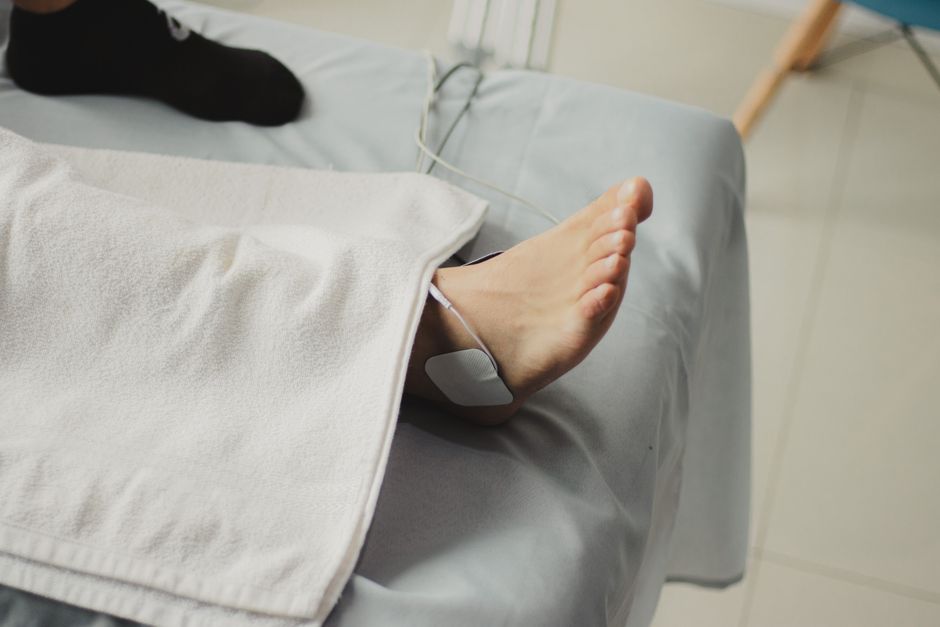
Swelling happens when fluid builds up in tissue, usually after an injury, an insect bite, an infection, or a long day on your feet. The fastest, most reliable way to lessen it is a combination of rest, cold, compression, and elevation — often remembered as RICE. Ice narrows blood vessels and calms inflammation. Elevation lets gravity drain fluid away from the area. Together they reduce swelling more effectively than either one alone.
Below is a practical, evidence-grounded look at what actually helps, what the research says about each method, and when swelling is a sign you need medical care rather than home treatment.
How To Lessen Swelling Ice Elevation And More?
The core approach to swelling is to slow fluid accumulation and help the body reabsorb what has already collected. Cold, compression, elevation, and rest each work on a different part of that process.
Cold therapy constricts blood vessels near the skin. That reduces blood flow to the injured area, which limits further fluid leaking into tissue. It also dulls local nerve signals, which is why ice helps with pain. Ice is most useful in the first 24 to 48 hours after an acute injury, when the body is still actively leaking fluid into the tissue.
Elevation uses gravity. If a swollen ankle sits above the level of your heart, fluid drains back toward the body’s core through the veins and lymphatic vessels. The lymphatic system has no pump of its own — it relies on muscle movement and gravity — so positioning genuinely matters.
Compression adds gentle external pressure that resists fluid pooling. Rest reduces the muscle activity and mechanical stress that can keep driving fluid into the area.
One clarification worth knowing: the old “RICE” advice has been revised in some sports medicine circles toward “PEACE and LOVE” — protection, elevation, avoidance of anti-inflammatories, compression, and education, followed by loading, optimism, vascular exercise, and activity. This shift reflects growing debate about whether fully blocking inflammation slows healing. The evidence is mixed and the debate is ongoing. For simple swelling reduction, cold, compression, and elevation remain widely used and supported. What has changed is the confidence with which anyone claims ice speeds long-term tissue repair.
How Long Should You Ice a Swollen Area?
Apply ice for about 15 to 20 minutes at a time, with at least a 1- to 2-hour gap between sessions. This is the most commonly taught clinical approach and reflects the goal of cooling tissue without risking cold injury to the skin.
Never place ice directly on bare skin. Wrap it in a thin towel or cloth first. Direct contact for extended periods can cause frostbite or a cold burn, and the risk rises if you have reduced sensation in the area — which happens with diabetes, peripheral neuropathy, or poor circulation.
Ice is most useful in the first day or two after an acute injury. After that, the balance of evidence for continued icing gets thinner. Some clinicians still recommend it for pain control beyond that window, but it is not clearly helping tissue repair at that stage.
Do not ice an area where circulation is already poor, and do not use ice on an open wound without medical guidance.
How High Should You Elevate a Swollen Limb?
Raise the swollen area above the level of your heart. For a swollen ankle or foot, that typically means lying down with the leg propped on pillows. For a swollen hand or wrist, resting it on a pillow above chest height works.
Gravity does the work here, so the position has to be maintained for a meaningful stretch of time — not just a few seconds. Elevating while you rest or sleep is the most practical way to get the benefit without watching the clock.
There is no single official number of minutes or hours that applies to everyone. The general clinical guidance is to elevate as much as is practical during the first day or two after an injury, and to keep the limb elevated whenever you are sitting or lying down. If elevation causes pain or numbness, lower it slightly.
Does Compression Help Swelling?
Compression can reduce swelling by applying steady pressure that resists fluid pooling in the tissue. It is a standard part of managing sprains and is widely used for swelling in the legs and ankles.
How you wrap matters. An elastic bandage should be snug but not tight — you should be able to slip a finger under the edge, and toes or fingers should stay warm and pink. A wrap that is too tight can cut off circulation, which is a genuine risk and not a minor one. Signs of a wrap that is too tight include numbness, tingling, cool skin, and increasing pain below the bandage. If any of those appear, loosen or remove it.
Compression garments and stockings are also used for longer-term swelling, particularly in the legs. For people with certain circulatory conditions, compression can be harmful, so it is worth checking with a clinician before using it routinely — especially if you have heart failure or significant peripheral artery disease.
What Else Helps Swelling Go Down?
Beyond ice, elevation, and compression, a few other measures genuinely help.
- Rest the area. Avoid the activity that caused the swelling for a day or two. Continued use can keep driving fluid into the tissue.
- Move gently when you can. Once the acute phase passes, gentle movement helps the lymphatic system clear fluid. The lymphatic system depends on muscle contraction to move lymph, so light activity — within comfort — supports drainage.
- Stay hydrated. Dehydration can make the body hold onto fluid. Drinking water supports normal fluid balance.
- Reduce salt if swelling is chronic. High sodium intake can contribute to fluid retention, particularly in people prone to it. This is more relevant to ongoing swelling than to a fresh injury.
- Consider whether medication is involved. Some prescription drugs, including certain blood pressure medications and steroids, can cause fluid retention. This is a conversation for your prescriber, not a reason to stop a medication on your own.
Anti-inflammatory pain relievers are commonly used alongside these measures. Whether they help or slightly delay healing is debated in the research, so this is a decision to make with a pharmacist or clinician rather than assume.
When Is Swelling a Sign of Something Serious?
Most swelling from a minor injury or a long day on your feet settles within a few days. Some swelling needs medical attention, and it is worth knowing the difference.
Seek care promptly if you notice any of the following:
- Swelling that comes on suddenly in one leg, especially with pain, warmth, or redness — this can signal a blood clot
- Swelling with fever, spreading redness, or a hot, tender area — possible infection
- Swelling after a fall or impact where you cannot bear weight or move the joint normally — possible fracture
- Swelling in the face, lips, tongue, or throat, or swelling with trouble breathing — a medical emergency
- Swelling in both legs or widespread swelling, which can relate to heart, kidney, or liver function
- Swelling that keeps getting worse despite rest, ice, and elevation
Swelling in both legs is a different picture from swelling in one. One-sided swelling points more toward a local cause like injury or a clot. Swelling on both sides more often points to a body-wide cause, and that warrants a medical review rather than home treatment.
The Bottom Line on Reducing Swelling
Ice, elevation, compression, and rest remain the practical first-line response to everyday swelling, especially after a minor injury. Use ice for 15 to 20 minutes at a time with breaks, keep the area above heart level when you can, and wrap snugly but not tightly.
Know the limits. These measures help with ordinary swelling. They are not a substitute for medical care when swelling is sudden, one-sided, painful, accompanied by fever, or linked to trouble breathing. When in doubt, get it checked.
Frequently Asked Questions
How long should you leave ice on a swollen area?
Leave ice on for about 15 to 20 minutes at a time, with at least a 1- to 2-hour break between sessions. Always wrap ice in a cloth first so it does not touch bare skin directly.
Should you elevate a swollen leg above the heart?
Yes, raising the swollen area above heart level lets gravity help drain fluid away. Keep it elevated whenever you are sitting or lying down, especially in the first day or two.
Can swelling be a sign of a blood clot?
Sudden swelling in one leg, especially with pain, warmth, or redness, can be a sign of a blood clot and needs prompt medical attention. Swelling in both legs more often points to a body-wide cause and also warrants a medical review.
Does walking help reduce swelling?
Gentle movement can help once the acute phase passes, because muscle activity supports lymphatic drainage. Avoid the activity that caused the swelling during the first day or two.
