
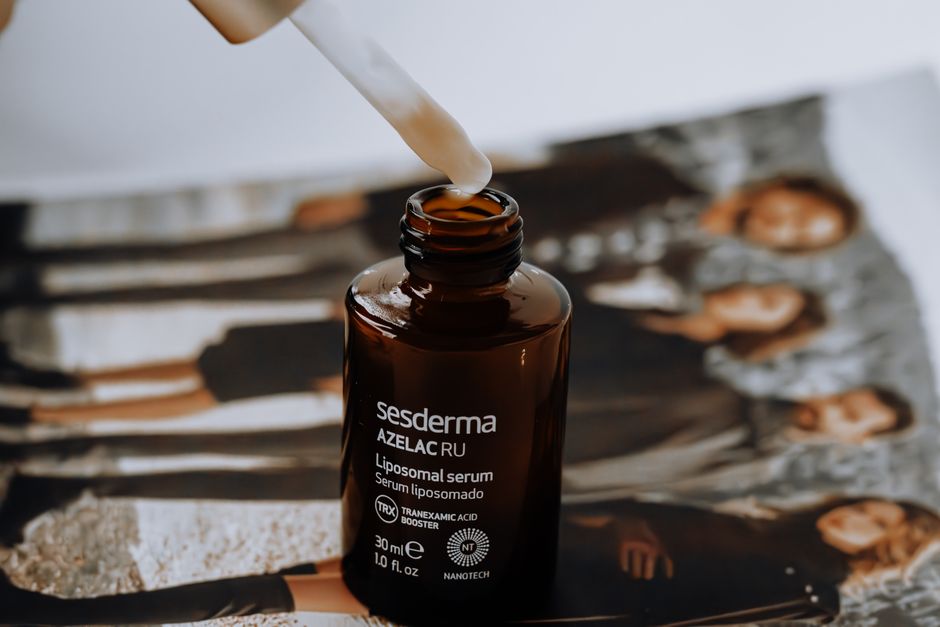
Glycolic acid goes on clean, dry skin before hydrating and occlusive products, and never in the same routine as retinoids unless you have built tolerance slowly. Wait until skin is fully dry after cleansing, apply it first, and give it a few minutes before the next layer. Skip it on the same night as a retinoid when you are starting out, and never combine it with another exfoliating acid in one routine. Sunscreen the next morning is not optional.
Glycolic acid is the smallest alpha-hydroxy acid used in skincare. Its small molecule size lets it penetrate more readily than lactic or mandelic acid, which is why it exfoliates effectively and also why it irritates more easily. Layering decisions matter because the order and timing change how much of it reaches your skin and how much irritation follows.
How To Layer Glycolic Acid Order Timing Donts
Apply glycolic acid first, on dry skin, after cleansing. Everything hydrating and occlusive goes after it.
The logic is straightforward. Glycolic acid needs to reach the stratum corneum at an effective concentration to loosen the bonds between dead skin cells. If you put a rich moisturizer or face oil underneath it, that layer becomes a barrier. The acid sits on top of the occlusive instead of reaching the skin. You get less exfoliation and more surface irritation.
Here is the order that works for most people:
- Cleanse and pat dry. Wait until skin feels completely dry, not just towel-dry.
- Apply glycolic acid as the first leave-on product. Use it on the areas you intend to treat.
- Wait a few minutes. There is no strict clinical rule on how long, but letting the product absorb before adding layers reduces dilution.
- Apply hydrating serum such as one with hyaluronic acid or glycerin.
- Apply moisturizer to seal in hydration and support the skin barrier.
- Apply sunscreen in the morning as the final step.
One clarification that surprises people: glycolic acid does not need a toner or essence underneath it. Many routines stack hydrating layers before actives. That works for some ingredients. For glycolic acid, it mostly dilutes the product and reduces its effect.
Should Glycolic Acid Go Before or After Other Actives?
Glycolic acid goes before most other actives when you use them in the same routine. The exception is vitamin C, which is usually applied first in the morning because of how it is formulated.
Vitamin C serums, particularly L-ascorbic acid formulations, are typically applied to clean skin before other products. If you use both vitamin C and glycolic acid, many dermatologists suggest splitting them between morning and evening rather than layering. Both are acids, and stacking them raises irritation risk without a clear added benefit.
Niacinamide is generally well tolerated with glycolic acid and can be layered after it. Some people report flushing when acids and high-concentration niacinamide meet, though this is individual and not a universal rule.
Retinoids are the active most people ask about. Tretinoin and over-the-counter retinol both increase skin turnover and can compromise the barrier when used aggressively. Combining them with glycolic acid in the same routine multiplies irritation risk. The common clinical approach is to alternate nights rather than layer them. Some experienced users do layer, but that is a tolerance decision, not a default.
Morning or Night: When Should You Apply Glycolic Acid?
Evening is the more common choice. Glycolic acid increases photosensitivity, meaning skin becomes more vulnerable to ultraviolet damage after use. Applying it at night gives skin hours to recover before sun exposure.
That does not mean morning use is forbidden. Some people tolerate it well in the morning when they are consistent with broad-spectrum sunscreen. But the risk-benefit favors evening for most people, especially anyone using higher concentrations or just starting out.
Frequency matters as much as timing. Starting with two or three applications per week is the standard recommendation for building tolerance. Daily use of a high-concentration glycolic product is where most irritation, redness, and barrier damage happen.
What Should You Not Mix With Glycolic Acid?
Do not combine glycolic acid with another exfoliating acid in the same routine. That means no salicylic acid, lactic acid, mandelic acid, or physical scrubs in the same sitting.
Each of these works by loosening or removing dead skin cells. Stacking them does not double the benefit. It doubles the assault on your skin barrier. The result is often redness, stinging, peeling, and a compromised barrier that takes weeks to recover.
Other combinations to approach with caution:
- Retinoids — alternate rather than layer unless you have established tolerance.
- Benzoyl peroxide — drying and irritating when combined with acids.
- Physical exfoliants — scrubs, brushes, and cleansing devices add mechanical damage on top of chemical exfoliation.
- High-concentration vitamin C — better split between morning and evening.
- Alcohol-heavy toners — add drying stress to already-exfoliated skin.
Waxing, threading, and depilatory creams deserve a mention. Skin is more fragile after glycolic acid use, and hair removal on recently exfoliated skin raises the risk of irritation and burns. Most skincare guidance suggests waiting several days after glycolic acid before waxing. The exact window varies by product strength and skin sensitivity.
How Long Should You Wait Between Layers?
There is no single clinically established wait time between glycolic acid and the next product. A few minutes is the common practical approach.
The purpose of waiting is to let the acid absorb and to avoid diluting it with a water-based product applied immediately. Some people wait until the product feels dry to the touch. Others apply moisturizer within a minute or two without issue.
What matters more than the exact wait is the order. Acid first, hydration after. If you are pressed for time, applying moisturizer shortly after glycolic acid is far better than skipping the acid or skipping the moisturizer.
The one wait that does have clearer support is the gap between cleansing and applying the acid. Skin should be dry, not damp. Water on the skin can dilute the acid and change how evenly it applies.
What Strength and How Often Should You Use?
Start with the lowest concentration available and the lowest frequency you can tolerate. For most over-the-counter glycolic products, that means a lower-percentage formulation used two or three times per week.
Concentration guidelines for home use vary by product and region. Professional-strength peels are a different category entirely and belong with a qualified clinician, not a home routine. No clinical guidelines exist for self-administering high-concentration peels at home, and the risk of burns and scarring is real.
Signs you are overdoing it:
- Persistent stinging or burning beyond the first few minutes
- Redness that lasts more than a day
- Flaking or peeling that looks like a burn rather than light exfoliation
- Increased sensitivity to products you previously tolerated
If any of these appear, stop the acid and focus on barrier support — gentle cleansing, moisturizer, and sunscreen — until skin settles. Some clinicians recommend a week or more of recovery before reintroducing it at a lower frequency.
Do You Need Sunscreen Every Day With Glycolic Acid?
Yes. Daily broad-spectrum sunscreen is a requirement, not an optional add-on, when using glycolic acid.
Alpha-hydroxy acids increase skin’s sensitivity to ultraviolet radiation. This is a well-documented effect, not a theoretical concern. Without consistent sun protection, the exfoliation benefits are offset by accelerated photoaging and higher skin cancer risk over time.
Sunscreen should be the last step in the morning routine, applied generously and reapplied through the day if you are outdoors. This applies whether you used glycolic acid the night before or not.
Frequently Asked Questions
Can I use glycolic acid and retinol on the same night?
Most people should alternate nights rather than layer them. Combining both in one routine raises irritation and barrier damage risk, and alternating gives each active room to work without overwhelming skin.
How long after glycolic acid can I apply moisturizer?
A few minutes is the common approach, though no strict clinical rule exists. The key is applying the acid first on dry skin and moisturizer after, not the exact wait time.
Can I use glycolic acid every day?
Some people with tolerant skin use lower concentrations daily, but starting with two or three times per week is the standard approach. Daily use of higher concentrations is where most irritation occurs.
Does glycolic acid make skin more sensitive to the sun?
Yes. Alpha-hydroxy acids increase photosensitivity, which is why daily broad-spectrum sunscreen is required when using glycolic acid.
