
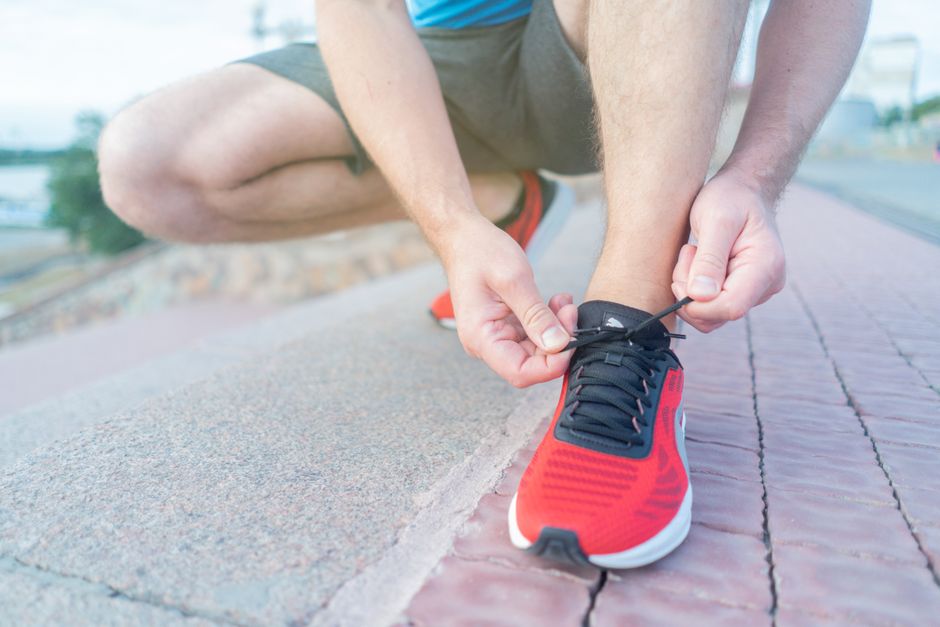
How you lace a sneaker changes how it fits. The same shoe can feel loose, tight, or comfortable depending on the lacing pattern you use. There are several established lacing methods, each with a different purpose: straight lacing for a clean look, heel-lock lacing to stop heel slip, wide forefoot lacing to relieve pressure across the toes, and elastic or no-tie lacing for easy on and off. Matching the method to your foot shape and the shoe’s use solves most fit problems without buying new shoes.
Lacing is not just decoration. The way laces cross the tongue and eyelets distributes pressure across the top of your foot. Change the pattern and you change where that pressure lands. That is why a runner with a narrow heel and a wide forefoot may need two different lacing approaches in the same pair of shoes.
How To Lace Sneakers Methods For Fit Style Comfort
Most lacing methods fall into three goals: fit, style, and convenience. Fit methods adjust pressure and hold. Style methods change the visual pattern. Convenience methods reduce tying and untying.
For fit, the two most useful patterns are the heel-lock lacing and the wide forefoot pattern. Heel-lock lacing threads the lace back through the top eyelet on the same side, creating a loop that pulls the heel into the shoe. It is widely used by runners and hikers to reduce heel slip. The wide forefoot pattern skips the crisscross over the middle of the foot and runs the lace straight up the sides, which takes pressure off the top of the foot and toes.
For style, straight bar lacing produces clean horizontal lines across the top of the shoe. It is popular on casual sneakers and dress-casual shoes. Crisscross lacing is the default most shoes come with and works fine for general use.
For convenience, elastic laces and toggle systems let you slip shoes on and off without tying. They are common in children’s shoes and in some athletic and casual sneakers.
Quick comparison of common methods
- Crisscross: default pattern, even pressure, works for most feet
- Straight bar: clean look, slightly less adjustable tension
- Heel-lock: reduces heel slip, good for running and hiking
- Wide forefoot: relieves pressure over the top of the foot
- Elastic or toggle: easy on and off, less fine-tuned fit
Why Does Lacing Change How a Sneaker Fits?
Laces are the main way you adjust a sneaker’s volume. The eyelets and tongue work together to hold the foot against the sole, and the lace pattern decides where that hold is strongest.
When laces cross directly over the top of the foot, pressure concentrates along the instep. For some people that is fine. For others, especially those with a high instep or a prominent bony top of the foot, that pressure becomes a hot spot or numbness. Rerouting the lace so it does not cross the instep spreads the load to the sides of the shoe.
The heel is the other end of the equation. If the heel lifts when you walk, the whole foot slides forward and the toes jam into the front of the shoe. Heel-lock lacing pulls the ankle back into the heel counter, which is the stiff cup at the back of the shoe. A locked-in heel keeps the foot from sliding forward.
One non-obvious point: the tightness of the bottom eyelets matters more than most people realize. Lacing the lower section too tight squeezes the widest part of the foot, while leaving the top loose lets the heel move. Most fit problems come from uneven tension, not from the wrong shoe size.
How Do You Do Heel-Lock Lacing?
Heel-lock lacing uses the top eyelet on each side to create a loop that pulls the heel back. It is the single most useful lacing change for anyone whose heel slips.
Start with the shoe laced normally up to the second-to-last eyelet. Then, instead of crossing the laces to the opposite top eyelet, thread each lace straight up through the top eyelet on the same side, leaving a small loop on each side. Cross the two laces over each other, pass each end through the loop on the opposite side, and pull. This creates a firm hold at the ankle without tightening the rest of the shoe.
The method is widely taught in running and hiking communities. It is not a medical treatment, but it can reduce friction and sliding that contribute to blisters and toe pressure during long walks or runs.
How Do You Lace for a Wide Forefoot or High Instep?
If the top of your foot feels pinched, the fix is to remove lace crossings over the instep. The most common approach is to run the lace straight up the sides from the bottom eyelets, skipping the crisscross over the middle of the foot for the first few eyelet pairs.
You can also leave one or two eyelet pairs completely unlaced in the middle of the shoe. This opens up space over the instep without loosening the toe box or the ankle. Some people combine this with a heel-lock at the top, so the shoe stays secure at the back while the middle stays loose.
For a wide forefoot, keep the bottom eyelets relatively loose and let the shoe’s width do the work. Tightening the lower laces pulls the sides of the shoe inward and narrows the toe box, which is the opposite of what a wide foot needs.
Which Lacing Style Looks Cleanest?
Straight bar lacing gives the tidiest look. The laces run horizontally across the top of the shoe and the ends hide underneath, so no diagonal lines show.
To do it, thread the lace straight across the bottom two eyelets from underneath. Then run each end straight up the inside of the shoe to the next eyelet on the same side, cross straight over to the opposite eyelet, and repeat. The result is a series of clean horizontal bars.
Straight lacing uses slightly more lace than crisscross, so it works best with standard or longer laces. On shoes with very short laces, the ends may not reach the top eyelets.
For a more casual look, crisscross lacing is fine and is what most sneakers ship with. Some people also use bar lacing only on the lower half and crisscross on the top for a mixed look. Style is personal, and none of these patterns affects the shoe’s function as long as the fit stays comfortable.
When Should You Use Elastic or No-Tie Laces?
Elastic laces and toggle systems are useful when tying is difficult or when you want to slip shoes on and off quickly. They are common in children’s shoes, in some athletic shoes, and for people with limited hand strength or dexterity.
The trade-off is adjustability. Elastic laces stretch, so they do not hold tension the way standard laces do. For casual wear and light activity that is usually fine. For running or hiking, many people find that elastic laces do not lock the heel as firmly as a properly tied standard lace.
If you use elastic laces, check the fit by walking a few steps and pressing your thumb against the heel. If the heel lifts easily, the lacing is too loose for that activity.
How Tight Should Sneaker Laces Be?
Laces should hold the foot snugly without pinching. A good test is to slide one finger under the laces at the top of the foot. If you can slide it in easily, the lacing is probably too loose. If it presses hard against your finger, it is too tight.
Another sign of over-tight lacing is numbness or tingling in the toes after walking or running. That suggests the laces are compressing the top of the foot enough to affect circulation or nerve sensation. Loosen the lower section first, since that is where the pressure usually starts.
Comfortable lacing also depends on the shoe. A shoe with a stiff upper needs looser lacing than a soft knit upper. There is no single correct tightness, and the right tension can change from day to day with swelling and activity.
Does Lacing Prevent Injury?
Lacing can reduce some causes of discomfort, but there is no strong evidence that any lacing pattern prevents injury. The evidence here is limited.
What lacing can do is reduce friction and pressure that contribute to blisters, and it can keep the heel from sliding forward into the toe box. Those are comfort and fit issues, not injury prevention. Claims that a specific lacing method prevents plantar fasciitis, knee pain, or other conditions are not supported by clinical research.
If you have persistent foot pain, numbness, or a foot condition such as diabetes-related nerve damage, talk to a clinician rather than relying on lacing changes. Lacing is a fit tool, not a treatment.
Frequently Asked Questions
What is the best lacing method for heel slip?
Heel-lock lacing is the most effective method for heel slip. It threads each lace back through the top eyelet on the same side to create a loop that pulls the heel into the back of the shoe.
How do I lace sneakers if the top of my foot hurts?
Skip the crisscross over the instep and run the laces straight up the sides instead. You can also leave one or two middle eyelet pairs unlaced to take pressure off the top of the foot.
Can lacing too tight cause numbness in my toes?
Yes. Over-tight laces can compress the top of the foot enough to cause tingling or numbness. Loosen the lower section first, since that is where the pressure usually starts.
Do elastic laces work for running?
They can work for light activity, but many runners find they do not lock the heel as firmly as standard laces. Check for heel lift before using them for running or hiking.
