
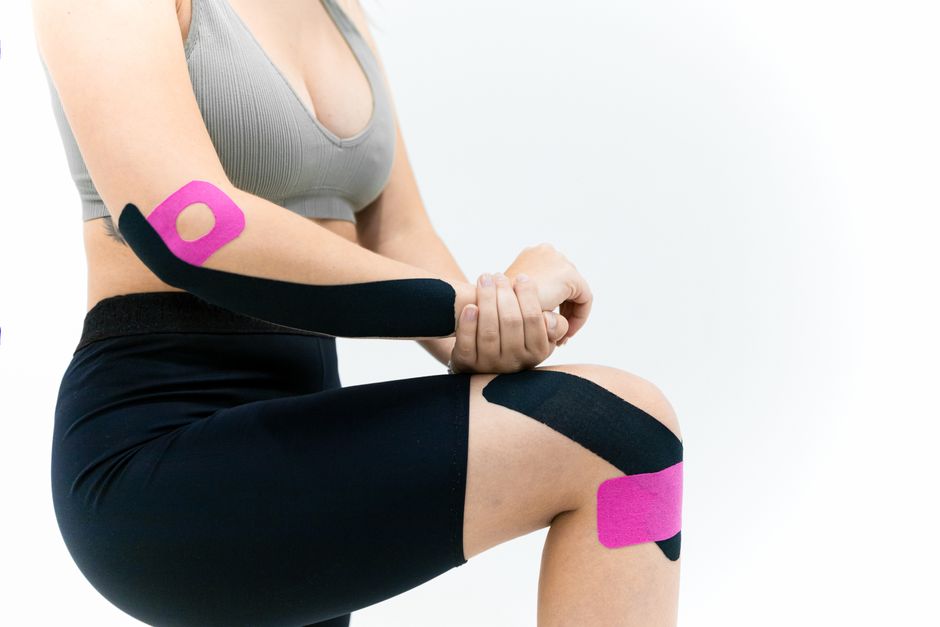
Kinesiology tape is a thin, stretchy cotton tape that people apply to skin to support muscles and joints. To tape the back of your knee correctly, you place the tape along the back of the leg with the knee slightly bent, using light tension rather than a tight pull, and you avoid wrapping it in a way that compresses the nerves and blood vessels behind the knee. The goal is gentle support and sensory feedback, not rigid restraint.
It helps to know what kinesiology tape can and cannot do before you stick anything to your skin. The evidence for pain relief and improved function is mixed across conditions, and the tape is not a treatment for the underlying cause of knee pain. Used sensibly, it is a low-risk add-on. Used incorrectly, it can irritate skin or make you feel supported when you still need to rest an injury.
What Is the Back of the Knee and Why Does It Need Careful Taping?
The back of the knee is called the popliteal fossa. It is a soft, shallow hollow behind the joint where several important structures pass close to the surface.
Running through this area are the popliteal artery and vein, major blood vessels supplying and draining the lower leg. The tibial and common peroneal nerves also travel through or near this space. Because these structures sit close to the skin with little muscle covering them, tight tape or a constricting wrap here can press on them.
That anatomy is the main reason taping the back of the knee needs a lighter touch than taping the front of the kneecap. A firm, encircling wrap behind the knee is more likely to cause numbness, tingling, or reduced blood flow than the same tension applied elsewhere.
How To Kt Tape The Back Of Your Knee Correctly: Step by Step
Correct application comes down to preparation, positioning, and controlled tension. The steps below describe a general approach for supporting the back of the knee. They are not a substitute for guidance from a physical therapist or clinician who can assess your specific problem.
1. Prepare the skin. The tape sticks best to clean, dry skin free of lotion, oil, or sweat. Trim body hair in the area if needed, since hair reduces adhesion and makes removal painful.
2. Position the knee slightly bent. Apply the tape with the knee in a comfortable, slightly flexed position, not fully straight and not deeply bent. Taping a straight knee and then bending it can create pulling and skin irritation.
3. Measure and cut the tape. Cut a strip long enough to run along the back of the leg, spanning from above the knee to below it. Round the corners of the tape, which helps prevent the edges from peeling up.
4. Anchor one end without tension. Stick the first few inches of tape to the skin above or below the knee with no stretch. This anchor holds the strip in place.
5. Apply light tension along the length. As you lay the tape down toward the other end, use only mild stretch, roughly a light pull rather than a tight one. The back of the knee does not need strong tension, and heavy pull here risks compressing the structures behind the joint.
6. Rub the tape to activate the adhesive. Friction and body heat help the adhesive set. Rub the whole strip firmly for a few seconds after application.
7. Check for pressure symptoms. Once applied, bend and straighten the knee. If you feel tingling, numbness, throbbing, or a tight band sensation behind the knee, remove the tape and reapply with less tension.
Some clinicians use a different pattern, such as a Y-strip or two strips forming a fan, depending on the problem being addressed. The specific pattern matters less than avoiding excessive tension and keeping the tape off the most sensitive part of the hollow.
How Tight Should Kinesiology Tape Be Behind the Knee?
Lighter than most people expect. Kinesiology tape is designed to work with a small amount of stretch, not to squeeze the joint.
A useful rule is that the tape should feel noticeable but never restrictive. You should be able to slide a finger under the edges without much effort, and you should not feel a pulsing, numb, or tingling sensation. If the tape leaves deep marks in the skin after removal, it was applied too tightly.
This matters more behind the knee than almost anywhere else on the body. The popliteal artery and the nerves in this region are vulnerable to compression. A band that feels merely snug when you apply it can become tighter as the knee bends and the tissues shift. When in doubt, use less tension.
What Does the Evidence Say About Kinesiology Tape for Knee Pain?
The research is mixed, and it does not support strong claims. Some studies suggest kinesiology tape can modestly reduce pain or improve function in certain knee conditions, while others find little difference compared with sham tape or no tape at all.
Part of the difficulty is that kinesiology tape is hard to study in a blinded way. People usually know whether they are wearing tape, which can influence how they feel. That makes it difficult to separate a true physical effect from a placebo response.
What the evidence does not support is the idea that tape corrects alignment, “repositions” the kneecap permanently, or treats the underlying cause of a knee problem. Any benefit is likely short-term and modest. Tape is best viewed as one small tool alongside strengthening, activity modification, and assessment by a clinician, not as a standalone fix.
When Should You Avoid Taping the Back of the Knee?
Skip the tape if you have signs of a serious problem that needs medical attention rather than support. Swelling behind the knee that came on suddenly, calf pain, warmth, redness, or a feeling of tightness in the leg are reasons to see a clinician first.
Sudden calf swelling and pain can, in some cases, signal a blood clot, which is a medical emergency. Do not tape over an area like this or try to manage it at home.
You should also avoid taping if you have broken, irritated, or infected skin in the area, or a known allergy to tape adhesives. People with very fragile skin, such as from certain medical conditions or long-term steroid use, should check with a clinician before using tape, since removal can tear the skin.
How Long Can You Leave Kinesiology Tape On?
Most manufacturers suggest leaving kinesiology tape in place for a few days before removing it, and many people wear it for several days at a time. Follow the instructions on the specific product you use, since adhesive strength varies between brands.
Remove the tape sooner if it starts to lift, if the edges roll and collect lint, or if the skin underneath becomes itchy, red, or irritated. Never leave tape on until it is falling off on its own.
To remove it safely, warm the tape with your hand or a warm cloth, then peel it back slowly and close to the skin rather than pulling it away at an angle. Pressing the skin down as you peel reduces pulling on the surface. Removing tape in the shower or after a warm shower can make it gentler.
Give the skin time to recover between applications. Repeated taping without a break can irritate the skin and weaken its barrier.
Common Mistakes That Make Taping Less Effective
Most problems with taping the back of the knee come from a handful of avoidable errors.
- Pulling the tape too tight. Overstretching is the most common mistake and the one most likely to cause harm behind the knee.
- Applying to a straight, locked knee. The tape then pulls when you bend, causing irritation and peeling.
- Applying over lotion or sweat. The tape will not stick and will lift within hours.
- Wrapping all the way around the leg. A full encircling band behind the knee can compress blood vessels and nerves. Keep strips running along the leg rather than around it.
- Ignoring skin reactions. Itching or redness is a signal to remove the tape, not to wait it out.
One clarification worth knowing: kinesiology tape and rigid athletic tape are not the same thing. Rigid tape is meant to limit movement and is applied firmly. Kinesiology tape is stretchy and meant to move with you, so it should never feel like a tight bandage.
Frequently Asked Questions
Can you tape the back of your knee for pain?
Some people use kinesiology tape behind the knee for support and mild pain relief, but the evidence is mixed and any benefit is likely modest and short-term. It is not a treatment for the cause of knee pain.
How tight should KT tape be behind the knee?
It should feel noticeable but not restrictive, with only light stretch. If you feel tingling, numbness, or throbbing, the tape is too tight and should be removed.
How long can you leave KT tape on the back of your knee?
Many people leave it on for a few days, following the product instructions. Remove it sooner if it lifts or if the skin becomes itchy or red.
Is it safe to wrap KT tape all the way around the knee?
Wrapping a tight band fully around the leg behind the knee can compress blood vessels and nerves. Keep strips running along the leg rather than encircling it, and use light tension.
