
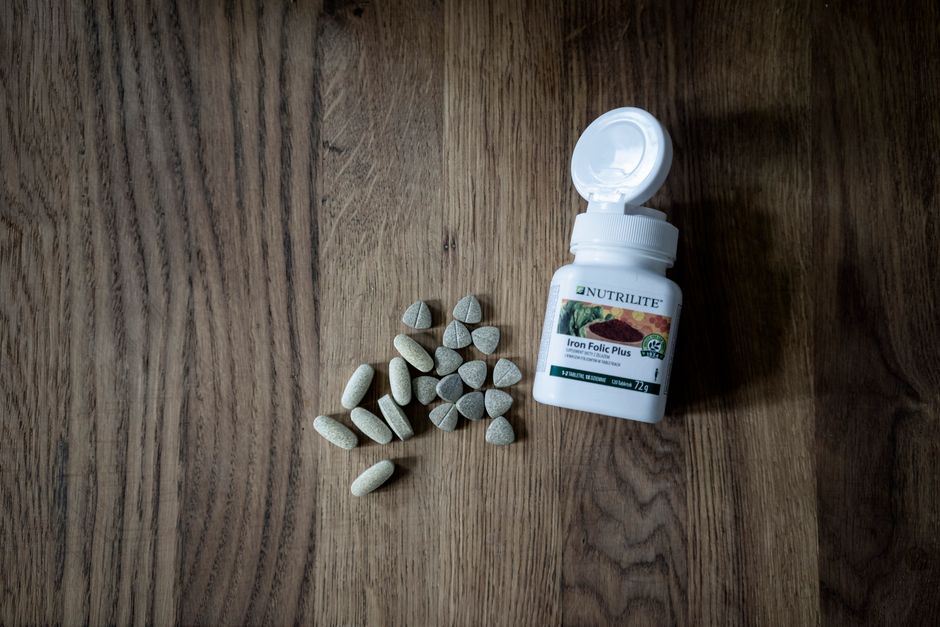
Iron supplements are not all the same. The form you choose affects how much your body absorbs, how likely you are to have side effects, and whether you should take it with food or on an empty stomach. The right choice depends on your specific needs, your iron levels, and how your digestive system responds. The most common forms are ferrous sulfate, ferrous gluconate, and ferrous fumarate, but newer options like iron bisglycinate are becoming more popular because they tend to be gentler on the stomach.
What Are the Main Types of Iron Supplements?
Iron supplements come in two basic categories: ferrous and ferric. Ferrous iron is absorbed more efficiently by the body, so most supplements use this form. The three most common ferrous salts are ferrous sulfate, ferrous gluconate, and ferrous fumarate.
Ferrous sulfate is the most widely studied and the standard against which other forms are measured. It is also the cheapest. Ferrous gluconate contains less elemental iron per tablet, which means you may need to take more tablets to get the same dose. Ferrous fumarate has a higher percentage of elemental iron, so smaller tablets can deliver the same amount.
A different category is iron bisglycinate, also called iron glycinate or chelated iron. In this form, iron is bound to the amino acid glycine. Some research suggests it causes fewer gastrointestinal side effects than ferrous sulfate, although the evidence is not definitive across all studies.
How Much Elemental Iron Do You Actually Need?
The amount of elemental iron in a supplement matters more than the total tablet weight. A 325 mg tablet of ferrous sulfate contains only about 65 mg of elemental iron. The rest is the sulfate molecule and other compounds.
For treating iron deficiency anemia, typical clinical guidelines recommend approximately 100 to 200 mg of elemental iron per day, usually divided into doses. For daily prevention in people at risk of deficiency, the amount is much lower, often around 18 mg, which is the amount found in most multivitamins.
Taking more iron than your body needs does not speed up recovery. Your gut can only absorb a limited amount at one time, and excess iron passes through or causes digestive distress. Taking too much iron over time can cause iron overload, which damages organs. Do not guess at a dose based on the label. Your doctor should order a blood test to confirm deficiency before you start supplementing.
Which Form Absorbs Best?
Ferrous sulfate is absorbed well, and it is the form used in most clinical trials for iron deficiency. Ferrous fumarate and ferrous gluconate are absorbed similarly when you compare equal amounts of elemental iron.
Iron bisglycinate appears to absorb well, and some studies suggest it may absorb even better than ferrous sulfate when taken with food. However, the research is mixed, and ferrous sulfate remains the most reliably studied form.
One important factor is that iron absorption is highly variable between individuals. Your current iron status plays a major role. If you are deficient, your body absorbs more iron. If your iron stores are normal, absorption drops significantly. This means a supplement that works well for one person may not work the same for another.





What About Side Effects and Stomach Upset?
Gastrointestinal side effects are the main reason people stop taking iron supplements. Nausea, constipation, dark stools, and stomach cramping are common. These effects are dose-related, meaning higher doses cause more problems.
Ferrous sulfate is often associated with the most gastrointestinal discomfort, though this varies by person. Iron bisglycinate is frequently reported to cause fewer side effects, and some clinical trials support this. If ferrous sulfate upsets your stomach, switching to a gentler form may help you stay consistent with your supplement.
Several strategies can reduce side effects regardless of the form you choose. Taking iron with food reduces nausea but also reduces absorption by about 40 percent. Starting with a lower dose and gradually increasing it over a week or two can help your digestive system adjust. Taking iron every other day instead of daily may also reduce side effects and, according to some research, may improve overall absorption.
Should You Take Iron With Food or on an Empty Stomach?
Iron absorbs best on an empty stomach. Taking it with water or juice about one hour before a meal is the most effective approach. However, many people cannot tolerate this because of nausea.
If you take iron with food, your body absorbs less of it. Certain foods make this worse. Calcium, found in dairy products, interferes with iron absorption. Tannins in tea and coffee also reduce absorption significantly. Phytates in whole grains and legumes bind to iron and prevent absorption.
Vitamin C improves iron absorption. Taking your iron supplement with a glass of orange juice or a food rich in vitamin C, such as strawberries or bell peppers, can help offset some of the absorption losses from taking it with a meal. Some supplements include vitamin C in the same tablet for this reason.
How To Know Which Iron To Use Based on Your Situation
Your specific circumstances determine which iron form makes the most sense. If you have been diagnosed with iron deficiency anemia and need to raise your levels quickly, ferrous sulfate is the most studied and reliable option. It is also the least expensive.
If you have tried ferrous sulfate and experienced significant nausea or constipation, iron bisglycinate is a reasonable alternative. Some people who cannot tolerate standard iron salts do well with this form. The evidence for fewer side effects is not overwhelming, but it is sufficient to justify trying it if standard forms cause problems.
If you are pregnant, your doctor will likely recommend a specific form and dose. Iron needs increase during pregnancy, but routine supplementation in women who are not deficient is debated. Follow your prenatal care provider’s advice rather than choosing a supplement on your own.
If you have a condition that causes chronic blood loss, such as heavy menstrual bleeding or gastrointestinal bleeding, treating the underlying cause matters more than the form of iron you choose. Supplements cannot compensate for ongoing blood loss that is not addressed.
What About Iron in Multivitamins?
Multivitamins typically contain 18 mg of elemental iron, usually as ferrous fumarate or ferrous sulfate. This amount is designed for prevention, not treatment. If you have confirmed iron deficiency anemia, a multivitamin alone will not correct it.
Some multivitamins marketed for women contain more iron, sometimes 27 mg, which matches the recommended daily allowance during pregnancy. These are still prevention doses. Treatment for deficiency generally requires higher amounts under medical supervision.
What Are the Risks of Taking the Wrong Iron?
Taking too much iron is dangerous. Iron overload can damage the liver, heart, and pancreas. This is especially true for people with hereditary hemochromatosis, a genetic condition that causes excessive iron absorption. If you have this condition, iron supplements can be harmful even at low doses.
Iron supplements are a leading cause of poisoning in children. Keep all iron supplements in child-resistant containers and store them out of reach. If a child accidentally swallows iron tablets, contact poison control immediately.
Iron can also interact with medications. It reduces absorption of thyroid medication, certain antibiotics, and drugs used for Parkinson’s disease. If you take prescription medications, ask your pharmacist whether iron will interfere with them.
Frequently Asked Questions
What is the best form of iron for anemia?
Ferrous sulfate is the most studied and reliable form for treating iron deficiency anemia. Other ferrous salts work similarly when you compare equal amounts of elemental iron.
Is iron bisglycinate better than ferrous sulfate?
Iron bisglycinate may cause fewer gastrointestinal side effects, but the evidence is mixed. Ferrous sulfate remains the standard because it is well absorbed and extensively studied.
How can I tell if I need an iron supplement?
A blood test measuring ferritin and hemoglobin is the only reliable way to diagnose iron deficiency. Do not self-diagnose based on fatigue or other vague symptoms, as these overlap with many other conditions.
Why does iron make me constipated?
Unabsorbed iron irritates the digestive tract and slows bowel movements. Taking iron with food, increasing water intake, and using a gentler form like iron bisglycinate may help reduce this side effect.
