
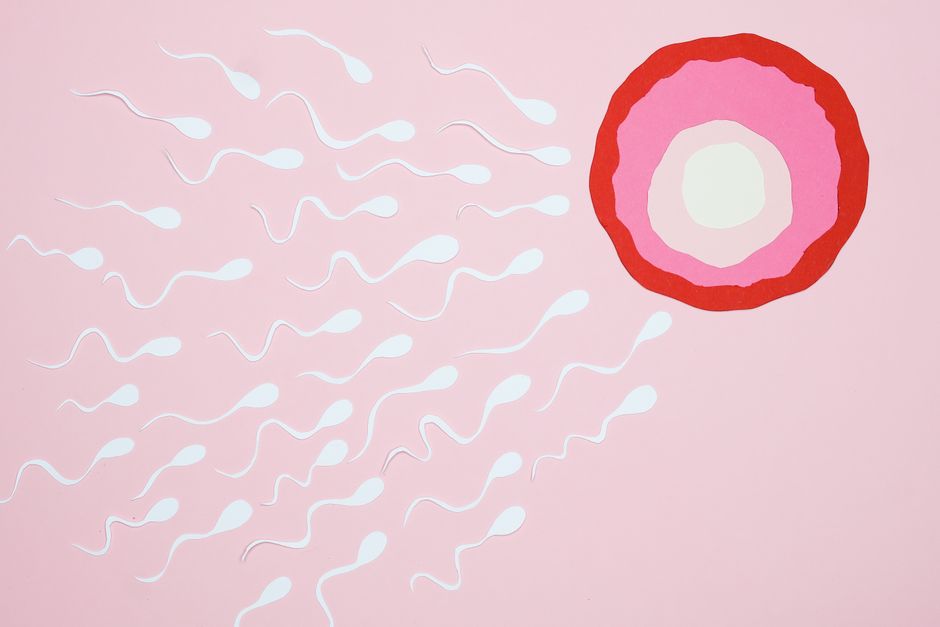
Knowing when you are ovulating is not a mystery you have to guess at. Your body gives clear signs, and there are reliable tools to track them. The most accurate ways to predict ovulation include tracking changes in cervical mucus, using ovulation predictor kits that measure luteinizing hormone, and monitoring your basal body temperature over time. These methods work because ovulation triggers predictable hormonal and physical changes that you can learn to recognize.
What Exactly Happens in Your Body During Ovulation?
Ovulation is the release of a mature egg from one of your ovaries. This usually happens once per menstrual cycle, roughly 14 days before your next period starts. The egg then travels down the fallopian tube, where it can be fertilized for about 12 to 24 hours.
The process is controlled by hormones. Estrogen rises in the first half of your cycle, which signals the lining of your uterus to thicken. Right before ovulation, a surge in luteinizing hormone (LH) triggers the egg to be released. After ovulation, progesterone rises to support a potential pregnancy. Research published in the journal Human Reproduction Update confirms that these hormonal shifts are consistent across most cycles in people who ovulate regularly.
If the egg is not fertilized, it breaks down and the uterine lining sheds during your period. Understanding this timeline is the foundation for knowing when you are fertile.
What Are the Physical Signs of Ovulation?
Your body gives off several clear signals around ovulation. The most reliable one is a change in cervical mucus. As you approach ovulation, mucus becomes clear, slippery, and stretchy, similar to raw egg whites. This consistency helps sperm travel to the egg. The American College of Obstetricians and Gynecologists notes that this fertile-quality mucus is one of the best natural indicators.
Some people also notice mild cramping on one side of the lower abdomen, known as mittelschmerz. This can last a few minutes to a few hours. A small number of people experience light spotting during ovulation. Breast tenderness, bloating, and a heightened sense of smell are also reported by some, though these are less reliable on their own.
Changes in basal body temperature happen after ovulation, not before. Your temperature rises about 0.5 to 1 degree Fahrenheit and stays elevated until your next period. This confirms ovulation happened but does not predict it in real time.
How To Know When You Are Ovulating Using At-Home Tools
Ovulation predictor kits (OPKs) are widely available and fairly accurate. These test strips detect the surge in luteinizing hormone that happens 24 to 36 hours before ovulation. When the test line is as dark as or darker than the control line, ovulation is likely within the next two days. A 2019 review in the Cochrane Database of Systematic Reviews found that OPKs correctly identify the fertile window in about 80% of cycles when used correctly.
Fertility monitors go a step further. They track multiple hormones, including estrogen and LH, through urine samples. Some devices also track heart rate and skin temperature. These monitors give a wider fertile window and are useful for people with irregular cycles.
Basal body temperature (BBT) charting requires taking your temperature with a sensitive thermometer every morning before getting out of bed. A sustained temperature rise confirms ovulation. The data is most useful when combined with cervical mucus tracking. Apps like Clue and Fertility Friend can help record and interpret this data, though no app is perfect.
Here is a quick comparison of these common methods:
| Method | What It Detects | Predicts Ovulation? | Accuracy |
|---|---|---|---|
| Cervical mucus tracking | Estrogen-driven changes | Yes | Moderate to high with practice |
| Ovulation predictor kit | LH surge | Yes | About 80% per cycle |
| Basal body temperature | Progesterone rise | No (confirms after) | High for confirmation |
| Fertility monitor | Estrogen and LH | Yes | High for most devices |




Can You Rely on Apps and Wearables Alone?
Many people use period tracking apps to estimate ovulation. These apps use algorithms based on your cycle history. They can give a general window, but they are not always accurate. A 2018 study in the Journal of the American Board of Family Medicine tested 20 popular apps and found that only 5 predicted the fertile window within 2 days of the actual ovulation date.
The problem is that apps assume a regular cycle length. If your cycle varies by even a few days, the prediction can be off. Apps also cannot detect the real-time hormonal changes that methods like OPKs and mucus tracking can.
Wearable devices like the Oura Ring or Ava bracelet track physiological signs like skin temperature, heart rate, and breathing rate. Some studies suggest they can detect ovulation with reasonable accuracy. However, independent research is still limited. These devices are helpful tools but should not be your only method if timing is critical.
What If Your Cycle Is Irregular?
Irregular cycles make ovulation harder to predict. If your cycle length varies by more than 7 days from month to month, standard prediction methods become less reliable. Conditions like polycystic ovary syndrome (PCOS), thyroid disorders, and high stress can cause irregular ovulation or anovulation (no ovulation at all).
For people with PCOS, ovulation predictor kits may give false positives because LH levels can be chronically elevated. In these cases, tracking cervical mucus and BBT is more useful. Some research suggests that using a fertility monitor that tracks both estrogen and LH improves accuracy for people with irregular cycles.
If you have not had a period for more than 35 days or if cycles are consistently unpredictable, talk to a healthcare provider. Blood tests can check hormone levels and confirm whether ovulation is happening. A transvaginal ultrasound can also show if follicles are developing in the ovaries.
Common Misconceptions About Ovulation Tracking
One widespread myth is that you ovulate exactly on day 14 of your cycle. This is only true for people with a perfect 28-day cycle. Most people have cycles between 24 and 36 days, and ovulation can happen anywhere from day 10 to day 22. Relying on a fixed calendar date is not accurate.
Another myth is that you can get pregnant only on the day of ovulation. Sperm can survive in the female reproductive tract for up to 5 days. The fertile window actually spans the 5 days before ovulation plus the day of ovulation itself. This means having intercourse a few days before ovulation can still lead to pregnancy.
Some people believe that ovulation pain or breast tenderness is a reliable sign. While some do feel these symptoms, many do not. Relying on subjective symptoms alone without objective tracking methods can lead to missed fertile days. A 2020 study in Fertility and Sterility found that only about 30% of people consistently feel ovulation pain.
What To Avoid When Tracking Ovulation
Do not rely on a single method in isolation. Using cervical mucus tracking alone can miss the window if you are not checking consistently. Using only an app without any physical sign tracking gives you a rough estimate at best. The most accurate approach combines at least two methods.
Avoid testing urine for LH at random times of day. LH surges often start in the morning, but testing first thing in the morning can miss the surge if it peaks later. The best practice is to test in the late morning or early afternoon, and avoid drinking large amounts of water for two hours before testing.
Do not stress about perfect charting. Some people become anxious about tracking every detail. This stress can actually delay ovulation by affecting hormone levels. If tracking causes anxiety, take a break or simplify your approach. The goal is awareness, not perfection.
How To Know When You Are Ovulating Without Any Tools
If you do not want to buy any products, your body still gives you useful information. The most accessible sign is cervical mucus. Check it every time you use the bathroom by wiping with toilet paper before urinating. Note the color, texture, and stretchiness. When it becomes clear and stretchy, you are in your fertile window.
You can also pay attention to your libido. Some research suggests that sexual desire naturally increases around ovulation. This is thought to be an evolutionary adaptation. While not a precise measure, it can be a helpful additional clue.
Tracking your basal body temperature requires only a thermometer and a notebook. Take your temperature at the same time every morning before moving. Record it daily. After a few cycles, you will see a pattern of lower temperatures followed by a sustained rise. That rise confirms ovulation happened.
Frequently Asked Questions
How many days after my period do I ovulate?
Ovulation typically happens about 14 days before your next period starts, not after your period ends. For a 28-day cycle, that is around day 14, but cycle length varies widely.
Can I ovulate without having a period?
Yes, it is possible to ovulate without a period, especially if you have irregular cycles or are breastfeeding. However, regular ovulation usually leads to a period about two weeks later.
Is ovulation pain a reliable sign of fertility?
Ovulation pain is not reliable for everyone. Only about 30% of people consistently feel it, and it can be confused with other abdominal discomfort. It should not be your only tracking method.
How long does ovulation last each month?
Ovulation itself lasts about 12 to 24 hours. The fertile window is longer, about 6 days, because sperm can survive for up to 5 days in the body.
