
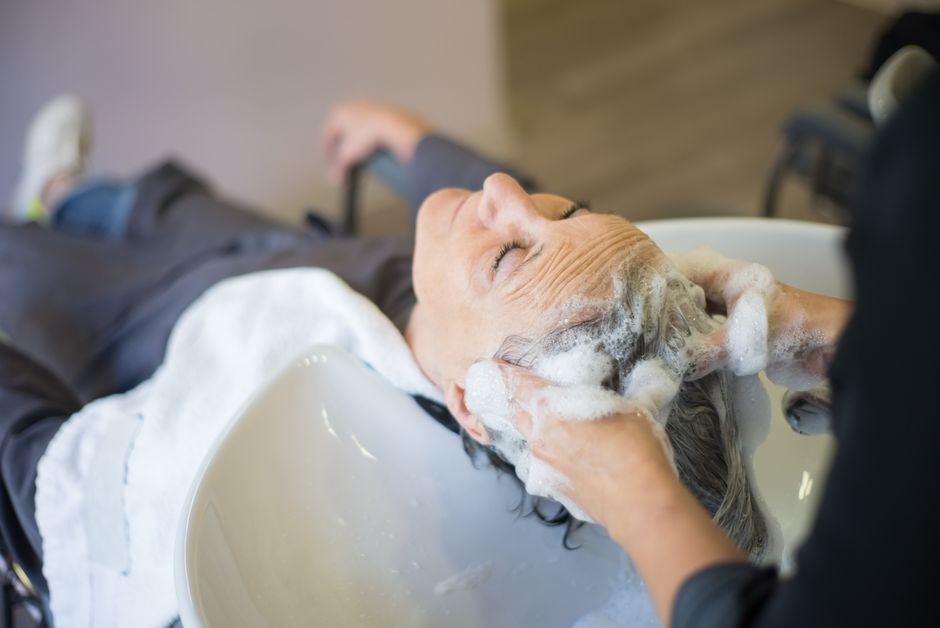
If you color your hair, you have probably wondered whether your current shampoo is slowly washing that color down the drain. The fastest way to know if your shampoo is color safe is to check the bottle for labels like “color-safe,” “sulfate-free,” or “for color-treated hair.” If the label lists sodium lauryl sulfate or sodium laureth sulfate near the top of the ingredients, the shampoo is not truly color safe. These strong detergents strip away the protective coating on dyed hair, which causes the color to fade faster than it should.
What Does “Color Safe” Actually Mean?
A color-safe shampoo is formulated to clean your hair without aggressively stripping the dye molecules from the hair shaft. When you color your hair, the dye penetrates the cuticle and bonds to the cortex. Harsh detergents can swell the cuticle and pull those dye molecules back out. Color-safe formulas use gentler cleansing agents that do not cause that same level of damage.
The term “color safe” is not strictly regulated by a government agency. That means any brand can print those words on a bottle. The real test is what is inside the formula. You have to look past the marketing on the front and read the ingredient list on the back.
How To Know If Your Shampoo Is Color Safe: Check the Ingredients
The single most reliable way to evaluate a shampoo is to read the ingredient list. Look specifically for the cleansing agents, which are called surfactants. These are the compounds that create lather and lift oil from your hair.
Sulfates are the harshest common surfactants. The most common ones to avoid are:
- Sodium lauryl sulfate (SLS)
- Sodium laureth sulfate (SLES)
- Ammonium lauryl sulfate
If any of these appear within the first five ingredients, the shampoo is likely too harsh for color-treated hair. Some shampoos contain sulfates further down the list in smaller amounts. That is still a risk, but the concentration is lower. If you see them high on the list, put the bottle back.
Color-safe shampoos typically use milder surfactants instead. Look for ingredients like sodium cocoyl isethionate, cocamidopropyl betaine, or decyl glucoside. These clean effectively but do not strip the hair cuticle the way sulfates do. They are not necessarily “better” for your hair overall, but they are better for preserving color.
The Role of pH in Color Retention
Shampoo pH matters more than most people realize. Human hair naturally sits at a slightly acidic pH, roughly between 4.5 and 5.5. The hair cuticle lies flat and tight at this pH range. That flat cuticle traps the dye inside the hair shaft.
Many standard shampoos are formulated at a higher pH, closer to neutral or even alkaline. When you apply a higher-pH product, the cuticle swells and lifts. That open cuticle allows dye molecules to escape. Over time, this is a major reason colored hair fades even when you use a “gentle” shampoo.
Color-safe shampoos are typically formulated to match the natural pH of hair. Some bottles will list the pH directly. If not, you can test it at home with pH strips, but most people simply trust the brand’s formulation. If a shampoo claims to be color safe but does not mention pH, it is still likely to be lower than a standard clarifying shampoo.




Why Sulfate-Free Shampoos Still May Not Be Color Safe
This is where the marketing gets tricky. “Sulfate-free” and “color safe” are not the same thing. A shampoo can be free of sulfates and still contain other harsh cleansing agents. Some brands swap sulfates for other strong surfactants that are equally stripping.
Look for the overall gentleness of the formula, not just the absence of one ingredient. Some sulfate-free shampoos contain high levels of alcohols or strong botanical extracts that can also fade color. The safest approach is to choose products specifically labeled for color-treated hair and to monitor how your hair responds.
If your shampoo leaves your hair feeling squeaky clean, that is not a good sign for your color. That squeaky feeling means the cuticle has been stripped of its natural oils and possibly the dye along with them. A truly color-safe shampoo should leave your hair feeling soft and manageable, not stripped.
How To Test Your Current Shampoo at Home
If you already have a shampoo at home and you are not sure whether it is safe for your color, there are two simple checks you can do. Neither is a laboratory test, but both give you useful information.
First, check the ingredient list for sulfates as described above. If sulfates are absent or very low on the list, move to the second test. Place a small amount of shampoo in a clear glass and add a few drops of water. Swirl it gently and look at the lather. Shampoos with strong detergents produce a thick, foamy lather almost instantly. Gentler formulas produce a thinner, creamier lather. This is not a scientific measure, but it is a reasonable indicator of cleansing strength.
A more practical test is simply to observe your hair. If your color noticeably fades within two to three weeks of using a shampoo, that product is likely contributing to the problem. Color fading is a natural process, but rapid fading suggests your hair care routine is accelerating it.
What About “Color Depositing” Shampoos?
Color depositing shampoos are a separate category. These products contain a small amount of dye pigment that deposits onto the hair with each wash. They do not just preserve your existing color; they add a fresh layer of color on top.
These shampoos are popular for maintaining vivid shades like reds, pinks, and pastels. These colors fade fastest because the dye molecules are larger and sit closer to the surface of the hair. A color depositing shampoo can extend the time between salon visits.
However, these products do not replace professional coloring. They cannot lighten hair or dramatically change your shade. They simply refresh the tone you already have. If you have a very light or platinum shade, be careful with color depositing shampoos, as they can leave unwanted pigment behind.
How Often Should You Wash Colored Hair?
Washing frequency matters just as much as product choice. Every time you wet your hair and use shampoo, you lose some color. This is true even with the gentlest formulas. The dye is not permanently locked into the hair shaft, and water alone causes gradual fading.
Most hair professionals recommend washing colored hair two to three times per week at most. If your hair is very oily or you exercise heavily, you may need to wash more often. In that case, consider using a co-wash or conditioner-only wash on the days in between. These methods clean lightly without the same stripping effect as shampoo.
Dry shampoo can be a helpful tool for extending time between washes. It absorbs oil at the roots without disturbing the color on the lengths and ends. This is one of the simplest ways to protect your color investment.
Other Products That Affect Color Fading
Shampoo is not the only product that affects your color. Conditioners, styling products, and even your water can play a role. Hard water contains minerals like calcium and magnesium that build up on the hair. This buildup can dull the appearance of your color and make it fade faster.
If you have hard water, a chelating shampoo once a month can help remove mineral buildup. But be careful: chelating shampoos are strong and should not be used frequently. Some brands make chelating formulas that are also color safe. Use them sparingly.
Heat styling is another major cause of color fading. High heat opens the cuticle and accelerates color loss. If you use hot tools, apply a heat protectant every time. This will not stop fading entirely, but it slows the process down.
When To Replace Your Shampoo
If you have been using a shampoo for weeks and your color is fading faster than expected, switch products. There is no reason to finish a bottle that is damaging your hair color. Your color is an investment, and the right shampoo protects that investment.
Pay attention to how your hair feels after washing. If it feels rough, tangly, or stripped, the shampoo is too harsh. A color-safe shampoo should leave your hair feeling clean but still conditioned. If you are unsure, ask your stylist for a recommendation. They know your hair type and your color formula better than anyone.
Frequently Asked Questions
Does “sulfate-free” mean a shampoo is color safe?
Not necessarily. Sulfate-free means the shampoo avoids the harshest detergents, but other strong cleansing agents can still strip color. Always look for a specific “color-safe” label and check the full ingredient list.
How can I tell if my shampoo is damaging my hair color?
If your color fades noticeably within two to three weeks of washing, your shampoo is likely too harsh. Your hair may also feel rough or squeaky clean right after washing, which indicates the cuticle has been stripped.
Is it okay to wash colored hair every day?
Daily washing accelerates color fading even with gentle shampoos. Most experts recommend washing colored hair two to three times per week, using dry shampoo or conditioner-only washes on other days.
Do color depositing shampoos work for all hair colors?
They work best for vivid shades like reds, pinks, and pastels. They cannot lighten hair or dramatically change your shade, and they may leave unwanted pigment on very light or platinum hair.
