
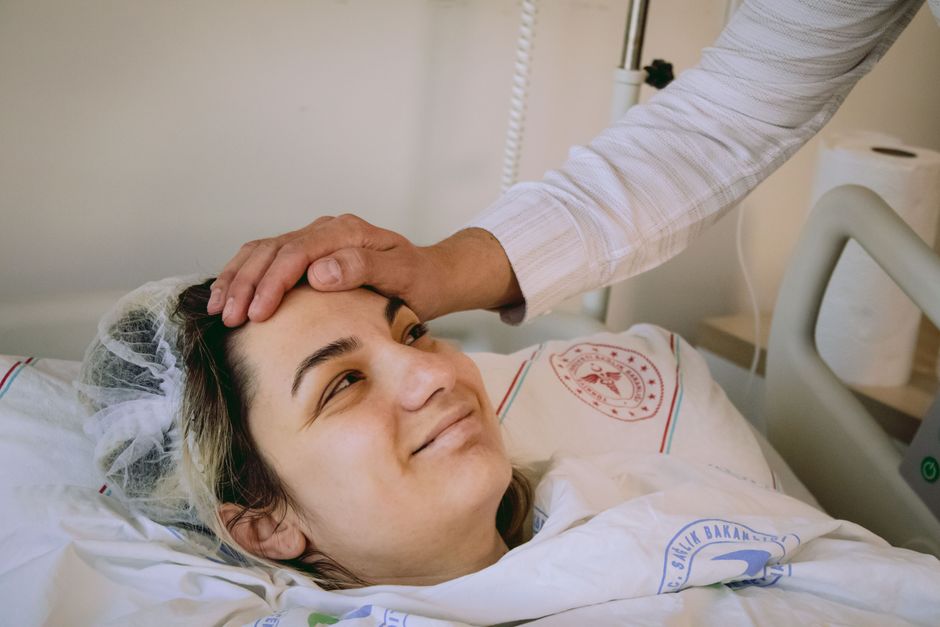
Deciding if you need inpatient mental health treatment comes down to one simple question: Are you safe on your own right now? If you have thoughts of hurting yourself or someone else, cannot take care of basic needs like eating or bathing, or have lost touch with reality, inpatient care may be the right choice. This type of treatment provides 24-hour medical supervision and a structured environment where you can stabilize and start healing. It is not a punishment or a sign of failure — it is a medical intervention for when your brain needs the same level of urgent care as your body would.
What Is Inpatient Mental Health Treatment and How Is It Different?
Inpatient mental health treatment means you stay overnight in a hospital or specialized facility. You are under constant watch by doctors, nurses, and therapists. This is different from outpatient care where you go to appointments and return home the same day.
The main goal is safety and stabilization. If you are in crisis, your brain may not be able to make good decisions for itself. Being in a controlled setting removes access to things that could harm you and gives your medications time to work. The average stay is about five to seven days, though it varies by person and situation.
Many people confuse inpatient with residential treatment. Residential programs are longer — weeks or months — and focus on therapy and skill-building. Inpatient is shorter and more medical. You go there because you need to be safe first. Therapy comes after the crisis settles.
How To Know If You Need Inpatient Mental Health Treatment
There are clear signs that inpatient care is necessary. If you have a specific plan to end your life, have the means to do it, and intend to follow through, you need to go to a hospital. This is not something to wait on or hope passes. The CDC reports that suicide is the 11th leading cause of death in the United States, and most attempts happen during acute crisis periods.
Another sign is psychosis. This means seeing or hearing things that are not there, holding beliefs that are not real, or having trouble telling what is true. When psychosis is active, your judgment is compromised. You may not realize you need help. If family or friends say you seem out of touch, take it seriously.
Severe self-neglect is also a reason. If you have not eaten in days, cannot get out of bed, or are not drinking water, your body starts to break down. Dehydration and malnutrition make mental health worse. Inpatient care can get you hydrated, fed, and medically stable while addressing the underlying condition.
Aggression or violent behavior toward others is another clear indicator. If you feel out of control and fear you might hurt someone, inpatient care provides a safe place to de-escalate. The same goes for anyone who has already acted on those urges.
What Happens When You Arrive at an Inpatient Facility
The first step is an assessment. A doctor or psychiatrist will ask about your symptoms, your history, and what led to this moment. They will check your vital signs and may run blood tests to rule out medical causes like infection or thyroid problems that can mimic mental illness.
You will be assigned a treatment team. This usually includes a psychiatrist who manages medications, a therapist for individual and group sessions, and nurses who monitor you around the clock. The team meets daily to discuss your progress and adjust your care plan.
Medication is often adjusted during your stay. If you were not taking anything before, they may start a medication. If your current medication is not working, they can change it under close observation. This is one of the advantages of inpatient care — they can see how you respond in real time rather than waiting weeks for a follow-up appointment.
Group therapy is common. Topics include coping skills, recognizing warning signs, and planning for discharge. Some people find group work helpful because they realize they are not alone. Others find it difficult. Either reaction is normal.





What the Research Says About Inpatient Treatment Outcomes
Research published in JAMA Psychiatry found that inpatient psychiatric care reduces suicide risk in the weeks following discharge. The structured environment and medication adjustments help people get through the most dangerous period of a mental health crisis.
However, the evidence on long-term benefits is mixed. Some studies suggest that without good follow-up care, the gains made during a short inpatient stay can fade. This is why discharge planning is critical. A good facility will help you set up outpatient appointments, connect you with a therapist, and make sure you have a medication plan before you leave.
The National Institute of Mental Health notes that hospitalization is most effective when it is part of a broader treatment plan. Inpatient care stops the bleeding. Outpatient care teaches you how to heal the wound. Both matter.
One thing the research is clear about: people who need inpatient care and do not get it have worse outcomes. Delaying treatment can make symptoms harder to treat later. If you meet the criteria for inpatient care, the evidence supports going now rather than waiting.
Common Misconceptions About Inpatient Mental Health Treatment
Many people think inpatient treatment is like what they see in movies — cold, scary, or prison-like. Modern psychiatric units are designed to be calm and therapeutic. They have quiet rooms, art supplies, and spaces to move around. Staff are trained to be compassionate. You are a patient, not a prisoner.
Another misconception is that you will lose your job or be judged forever if you go. The Family and Medical Leave Act (FMLA) protects your job during medical leave. Mental health treatment is covered under this law. As for judgment, that is harder to control. But being alive and stable is more important than what anyone thinks.
Some people worry that inpatient treatment is only for severe conditions like schizophrenia. That is not true. People with severe depression, bipolar disorder during a manic episode, post-traumatic stress disorder with active flashbacks, and severe anxiety that prevents eating or sleeping all qualify. The criteria is about safety and function, not diagnosis.
There is also a belief that you have to be completely willing to go. While voluntary admission is best, many states allow for involuntary holds when someone is an immediate danger to themselves or others. These holds are temporary — usually 72 hours — and require a court hearing if longer detention is needed. The goal is always to move toward voluntary participation as soon as possible.
What to Avoid When Considering Inpatient Care
Do not try to “tough it out” if you are unsafe. Mental health crises are medical emergencies. If you had a heart attack, you would not wait to see if it passes. The same logic applies here. Waiting can lead to permanent harm.
Avoid using alcohol or drugs to cope with crisis feelings. Substances make symptoms worse and can interact dangerously with medications. They also cloud your judgment, making it harder to recognize that you need help.
Do not rely on online quizzes or symptom checkers to decide if you need inpatient care. These tools cannot assess your safety. Only a trained professional can do that. If you are unsure, call a crisis line or go to an emergency room for an evaluation.
Avoid isolating yourself. When people feel bad mentally, they often pull away from others. Isolation makes things worse. Tell someone what is happening. Let them help you get to the hospital if needed. You do not have to handle this alone.
How to Prepare for an Inpatient Stay
If you decide inpatient care is needed, preparation can make the experience smoother. Pack a small bag with comfortable clothes without drawstrings or belts — facilities often restrict items that could be used for self-harm. Bring slip-on shoes because laces may not be allowed. Leave valuables at home.
Bring a list of your medications and any allergies. Write down your medical history if you can. The more information you provide, the better your care will be. Some facilities allow books or journals, but check ahead of time.
Tell your employer you are taking medical leave. You do not have to share details. Just say you have a medical issue and will provide documentation from your doctor. Most HR departments handle this professionally.
Arrange for someone to care for your pets or water your plants. These small tasks can cause stress if left undone. Having them handled lets you focus entirely on getting better.
| Factor | Outpatient Care | Inpatient Care |
|---|---|---|
| Where you sleep | At home | At the facility |
| Supervision level | None to minimal | 24-hour medical |
| Typical stay length | Months to years | 5-7 days |
| Best for | Stable but struggling | Acute crisis or safety risk |
| Medication adjustment | Slow, with follow-up visits | Fast, with daily monitoring |
| Cost | Lower per session | Higher but often covered by insurance |
What to Expect After Discharge
Leaving inpatient care does not mean you are cured. It means you are stable enough to continue healing at home. The first few weeks after discharge are a high-risk period. Research shows that suicide risk is elevated in the month following hospitalization. Having a solid plan for follow-up care reduces that risk.
Your discharge plan should include appointments with a therapist and psychiatrist within one to two weeks. You should have a list of crisis numbers and know when to call them. Many facilities offer partial hospitalization programs where you attend treatment during the day and sleep at home. This can be a good bridge between inpatient and regular outpatient care.
Family involvement helps. If trusted family members understand your warning signs and know how to support you, the transition is easier. Some facilities offer family education sessions. Take advantage of these if they are available.
Be patient with yourself. Recovery is not linear. You may have good days and bad days. That is normal. What matters is that you reached out for help when you needed it. That takes real courage.
Frequently Asked Questions
How do I know if I need inpatient mental health treatment?
You likely need inpatient care if you have thoughts of harming yourself or others, cannot take care of basic needs, or are experiencing psychosis. A mental health professional can confirm this with an evaluation.
How long does inpatient mental health treatment usually last?
Most inpatient stays last between five and seven days, though some people need more or less time depending on their condition. The goal is stabilization, not long-term therapy.
Will my insurance cover inpatient mental health treatment?
Most health insurance plans, including Medicaid and Medicare, cover inpatient psychiatric care. Call your insurance company before admission to confirm your specific coverage and any pre-authorization requirements.
Can I be forced into inpatient mental health treatment?
If you are an immediate danger to yourself or others, a doctor can place you on a temporary involuntary hold, usually for 72 hours. After that, a court hearing is required to extend the stay.
