
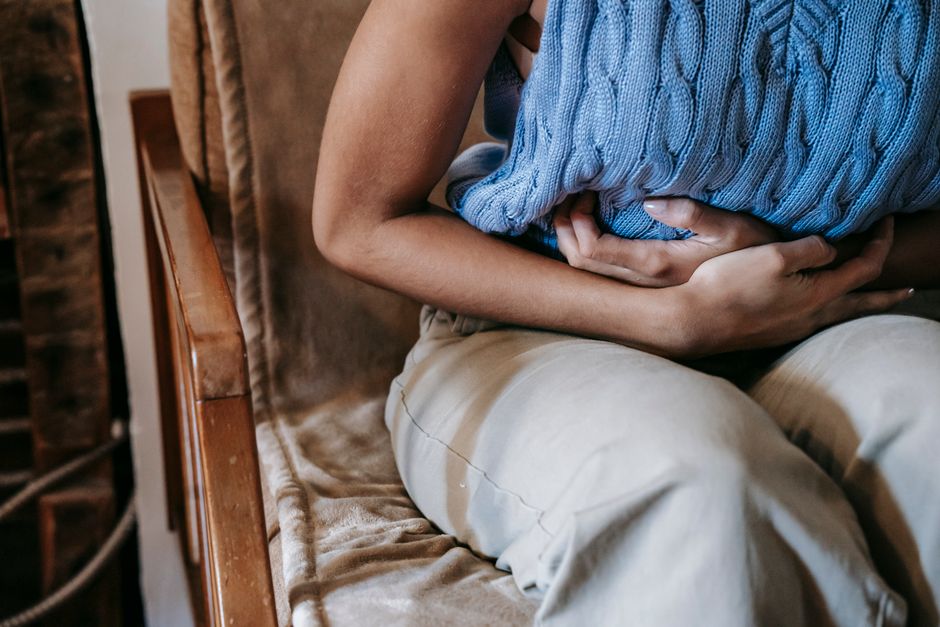
Most people know the feeling: your stomach turns, you feel queasy, and suddenly you’re not sure whether to stay near a bathroom. The stomach bug — more accurately called viral gastroenteritis — is an infection of the intestines caused by a virus. The most common signs are watery diarrhea, vomiting, nausea, and stomach cramps, often with a low fever. It usually passes on its own within a few days, and the main job of treatment is replacing the fluids you lose.
How To Know If You Have The Stomach Bug
The pattern is fairly recognizable. Symptoms usually start 12 to 48 hours after you’ve been exposed to someone who was sick. The illness typically begins with nausea or cramping, then moves into vomiting and watery diarrhea. You may also have a mild fever, headache, muscle aches, and a general feeling of being wiped out.
What separates it from a foodborne illness or other stomach problem is the combination. A stomach bug gives you diarrhea and vomiting together, often with cramping. The diarrhea is watery, not bloody. There’s no blood in your vomit either. Those two signs — blood in stool or vomit — point away from a typical viral stomach bug and toward something that needs medical attention.
It’s also worth knowing that “stomach flu” is a misleading name. Influenza is a respiratory virus that causes fever, cough, and body aches. It does not cause vomiting and diarrhea in most adults. The viruses that actually cause the stomach bug are different — norovirus is the most common, especially in adults, and rotavirus is a leading cause in young children.
What Causes It and How Does It Spread?
Norovirus causes the majority of stomach bug outbreaks in the United States. A person with norovirus sheds billions of virus particles in their stool and vomit, and it takes very few of those particles to make someone else sick. That’s why outbreaks spread so quickly in schools, nursing homes, cruise ships, and households.
It spreads three main ways:
- Touching a contaminated surface and then touching your mouth
- Eating food handled by someone who is infected
- Being near someone who is vomiting, since tiny particles can become airborne
One detail that surprises many people: hand sanitizer alone does not reliably kill norovirus. Alcohol-based sanitizers work well against many germs, but norovirus is tougher. Washing hands with soap and water for at least 20 seconds is the more reliable method. This is one of the few situations where soap and water genuinely outperforms sanitizer.
People are most contagious while they have symptoms and during the first few days after they recover. Some people can still spread the virus for up to two weeks after they feel better, though this is less common.
How Long Does the Stomach Bug Last?
For most healthy adults, symptoms ease within one to three days. Norovirus tends to hit hard and fast, then fade. Rotavirus in children can last a bit longer, often three to eight days.
The timeline matters because it affects when you should seek help. If symptoms are getting worse instead of better after a few days, or if they last beyond about a week, that’s a reason to call a doctor. It doesn’t automatically mean something serious, but it’s worth checking.
Feeling tired and having a poor appetite for a few days after the worst symptoms pass is normal. Your gut lining is recovering. Don’t rush back to heavy meals or intense exercise.
When Should You See a Doctor?
Most stomach bugs don’t need medical care. But dehydration is the real risk, especially in young children, older adults, and anyone with a weakened immune system. Knowing the signs of dehydration is the most important safety skill here.
Seek medical care if you notice any of the following:
- Signs of dehydration — little or no urination, a very dry mouth, sunken eyes, or unusual drowsiness
- Blood in your stool or vomit
- A high fever, especially above 102°F (39°C)
- Severe abdominal pain rather than cramping
- Vomiting that lasts more than about two days, or diarrhea lasting more than several days
- Inability to keep any fluids down
For infants and young children, the bar is lower. Call a doctor if a child seems unusually sleepy, has a dry diaper for several hours, cries without tears, or has a sunken soft spot on the head. These are established signs of dehydration in children. No clinical guidelines recommend waiting these out at home.
How Do You Treat a Stomach Bug at Home?
There’s no antiviral medication for a typical stomach bug. Antibiotics do nothing against viruses and should not be used. Treatment is supportive: fluids, rest, and time.
The single most important step is replacing fluids and electrolytes. Water alone helps, but when you’re losing fluids through vomiting and diarrhea, you also lose salts. Oral rehydration solutions — sold as powders or ready-made drinks in pharmacies — are designed to replace both fluid and electrolytes in the right balance. This is well established in clinical practice and is the standard approach for mild to moderate dehydration.
Drink in small, frequent sips rather than large gulps, since big amounts can trigger more vomiting. Some clinicians suggest starting with a few teaspoons every few minutes and increasing as you tolerate it.
For food, eat what you can tolerate. Plain, bland foods are easier on a recovering stomach — crackers, rice, toast, bananas. There’s no strong evidence that any specific food speeds recovery, so the goal is simply to eat when you feel able and avoid anything that makes nausea worse. The old advice to avoid dairy entirely is not well supported for adults, though some people find it bothers them temporarily.
Over-the-counter anti-diarrheal medications can reduce diarrhea in adults, but they’re generally not recommended if you have a fever or bloody stool, and they should not be given to children without a doctor’s guidance. If you’re unsure, ask a pharmacist.
How Can You Prevent Spreading It?
Because norovirus spreads so easily, prevention comes down to hygiene and isolation. Handwashing with soap and water is the top measure. Wash after using the bathroom, after changing diapers, and before preparing food.
Clean surfaces that may be contaminated. Norovirus is resistant to many common cleaners, and bleach-based solutions are more effective than plain soap for surfaces. Wash soiled laundry — especially bedding and towels — separately and on a hot setting.
Stay home while you’re sick and for at least two days after symptoms stop. Avoid preparing food for others during that time. If you’re caring for someone who is sick, wash your hands every time you come into contact with them or their belongings.
There is no vaccine for norovirus currently available to the general public. A rotavirus vaccine is part of the routine childhood immunization schedule in the U.S. and has substantially reduced severe rotavirus illness in young children.
Stomach Bug vs. Food Poisoning: What’s the Difference?
They can look nearly identical, and honestly, from the inside it’s often hard to tell. Both cause nausea, vomiting, diarrhea, and cramping.
Timing offers a clue. Food poisoning from a bacterial source often hits within hours of eating the culprit food. A viral stomach bug usually takes 12 to 48 hours to develop. Food poisoning also tends to resolve faster in many cases, though this varies widely by cause.
The distinction rarely changes what you do at home — fluids and rest either way. It matters more for tracking outbreaks or when symptoms are severe. If several people who ate the same meal get sick at once, food poisoning becomes more likely.
Frequently Asked Questions
How long is the stomach bug contagious?
You’re most contagious while you have symptoms and during the first few days after recovery. Some people can still spread norovirus for up to two weeks after feeling better.
Can you get the stomach bug twice?
Yes. Immunity to norovirus is short-lived and there are many different strains. Getting sick once does not protect you for long.
Should you eat when you have the stomach bug?
Eat when you feel able, starting with small amounts of bland food. The priority is fluids; forcing food while nauseated can make vomiting worse.
What is the fastest way to recover from a stomach bug?
There’s no way to speed up the virus itself. Replacing fluids and electrolytes steadily and resting are the measures that matter most.
