
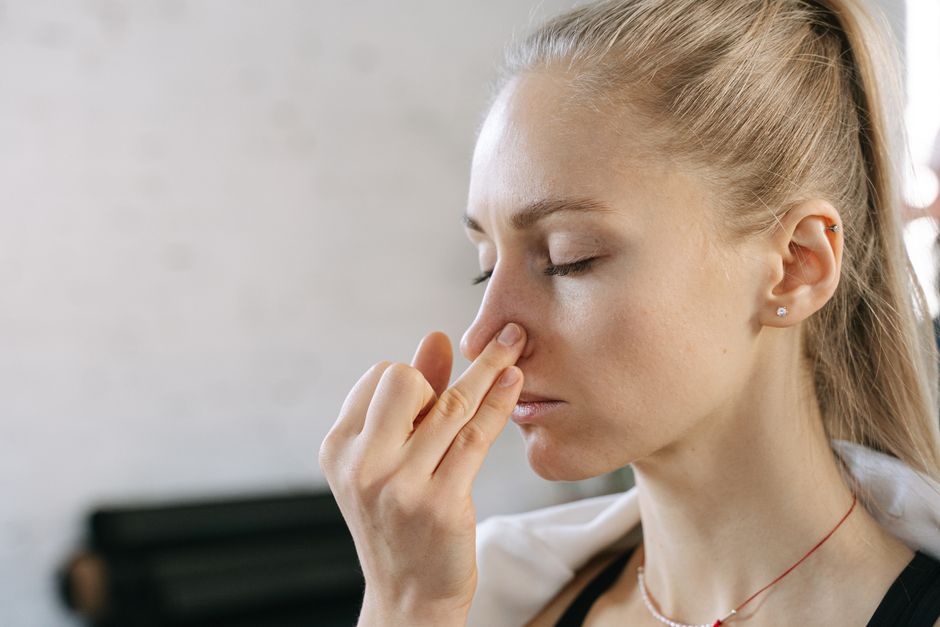
You wake up with a stuffy nose, a headache, and pressure behind your eyes. You wonder if it is just a cold or something more. Sinusitis, or a sinus infection, happens when the tissue lining your sinuses becomes inflamed and swollen. The key signs include facial pain or pressure, nasal congestion, thick colored mucus, and symptoms that last longer than a typical cold. If these symptoms persist past 10 days or get worse after 5 to 7 days, sinusitis is likely the cause.
What Are the Main Symptoms of Sinusitis?
Sinusitis symptoms overlap with colds and allergies, which is why people often confuse them. The most reliable sign is facial pressure or pain, especially around your eyes, cheeks, nose, or forehead. This happens because inflamed sinuses cannot drain properly, and fluid builds up.
Other common symptoms include nasal congestion that makes breathing difficult, thick yellow or green mucus draining from your nose or down the back of your throat (postnasal drip), and a reduced sense of smell. Many people also report a headache that feels worse when they lean forward, a cough that gets worse at night, bad breath, and fatigue. The CDC notes that sinusitis often includes a fever over 100.4°F, though not everyone gets one.
A cold usually improves within 5 to 7 days. If your symptoms are still strong after a week or get worse after a few days, sinusitis is more likely. Allergies cause sneezing, itchy eyes, and clear mucus rather than the thick colored discharge typical of sinusitis.
How To Know If You Have Sinusitis Versus a Cold?
Distinguishing sinusitis from a common cold comes down to timing and specific symptoms. A cold typically peaks in severity around day 2 or 3 and starts improving by day 5. Sinusitis symptoms often get worse after day 5 rather than better.
The type of mucus matters. Colds produce clear, watery mucus that may thicken after a few days. Sinusitis usually produces thick, yellow, or green mucus that does not clear up quickly. Facial pain is another strong clue. With a cold, you might feel some sinus pressure, but it is mild. With sinusitis, the pain is more localized, persistent, and worsens with movement or bending over.
Research published in the Journal of Allergy and Clinical Immunology found that three symptoms together — facial pain, purulent nasal discharge, and symptoms lasting over 10 days — correctly identified bacterial sinusitis in most adult patients. If you have all three, it is worth seeing a doctor.
Here is a quick comparison of typical features:
| Symptom | Common Cold | Sinusitis |
|---|---|---|
| Duration | 3 to 7 days | Over 10 days or worsening after 5 days |
| Mucus color | Clear or slightly white | Thick yellow or green |
| Facial pain | Mild or absent | Moderate to severe, worse when leaning forward |
| Fever | Rare in adults | Common, especially in bacterial cases |
| Response to decongestants | Often helps | Limited or temporary relief |
When Should You See a Doctor for Sinusitis?
Most sinus infections are viral and resolve on their own without antibiotics. The American Academy of Otolaryngology recommends seeing a doctor if symptoms last more than 10 days without improvement, or if they get worse after 5 to 7 days despite home care.
You should also seek medical attention if you have a fever over 102°F, severe headache, confusion, stiff neck, or vision changes. These can signal a serious complication like meningitis or an infection spreading to the bones around your eye. These complications are rare but real.
People with weakened immune systems, asthma, or a history of recurrent sinusitis should see a doctor sooner. If you have had three or more episodes of sinusitis in a year, or two episodes in six months with complete recovery in between, you may have chronic sinusitis that needs a different treatment plan.
A doctor can confirm sinusitis by asking about your symptoms, looking in your nose with an otoscope, and sometimes using a nasal endoscope. Imaging like a CT scan is reserved for chronic or complicated cases — not for typical acute sinusitis.





What Home Treatments Actually Help Sinusitis?
Home care is the first line of treatment for most sinus infections. The goal is to help your sinuses drain and reduce inflammation. Saline nasal rinses are one of the most effective options. A 2018 review in the journal Laryngoscope found that saline irrigation significantly improved symptoms in people with chronic sinusitis. Use distilled, sterile, or boiled water to avoid rare but serious infections from tap water.
Steam inhalation can provide temporary relief. Inhaling steam from a bowl of hot water or a warm shower helps moisten nasal passages and loosen mucus. There is no strong evidence it shortens the infection, but many people report feeling better for a while.
Other practical steps include:
- Drinking plenty of fluids to thin mucus
- Using a humidifier, especially in dry indoor air
- Applying warm compresses over your sinuses to ease facial pain
- Getting rest to support your immune system
- Elevating your head while sleeping to promote drainage
Over-the-counter decongestants like pseudoephedrine can reduce swelling in nasal passages but should not be used for more than 3 days. Longer use can cause rebound congestion. Pain relievers like ibuprofen or acetaminophen can help with facial pain and headache.
Antihistamines are not helpful unless you have allergies. They can actually thicken mucus and make drainage harder. Avoid them unless your doctor recommends them.
Do Antibiotics Work for Sinusitis?
This is where many people get confused. Antibiotics only work for bacterial sinusitis, and most sinus infections are viral. The CDC estimates that 90% of sinusitis cases in adults are caused by viruses. Taking antibiotics for a viral infection does not help and contributes to antibiotic resistance.
A doctor may prescribe antibiotics if symptoms last over 10 days, if you have a fever above 102°F along with thick nasal discharge and facial pain, or if symptoms get worse after initially improving. The first-line antibiotic is usually amoxicillin-clavulanate, taken for 5 to 7 days in most adults.
Even when antibiotics are appropriate, they do not work instantly. Most people start feeling better within 48 to 72 hours. If you are prescribed antibiotics, finish the full course even if you feel better. Stopping early can allow resistant bacteria to survive.
Some evidence suggests that topical nasal steroid sprays like fluticasone can help reduce inflammation in chronic sinusitis, but they are not a quick fix. They take days to weeks to work and are not typically used for acute infections.
Common Misconceptions About Sinusitis
One widespread myth is that green mucus always means a bacterial infection. Not true. Viral infections can also produce green mucus. The color comes from immune cells called neutrophils, which fight both viruses and bacteria. Green mucus alone does not mean you need antibiotics.
Another misconception is that you can “catch” sinusitis from someone else. You cannot. You can catch the virus that causes the cold, and that cold can lead to sinusitis if your sinuses get inflamed and blocked. But sinusitis itself is not contagious.
Many people believe that sinus infections always need treatment with antibiotics. As discussed, most do not. The body clears viral sinusitis on its own within 7 to 14 days. Overprescribing antibiotics for sinusitis is a major driver of antibiotic resistance worldwide.
Some people think that blowing your nose hard helps clear the infection. Actually, vigorous blowing can push mucus from your nose back into your sinuses, worsening the infection. Gentle blowing or using a saline rinse is better.
Finally, there is a belief that sinus surgery is a cure for chronic sinusitis. Surgery can improve drainage and reduce symptoms, but it does not cure the underlying inflammation. Many people still need ongoing medical management after surgery.
Frequently Asked Questions
How can I tell if I have sinusitis or just allergies?
Allergies cause sneezing, itchy eyes, and clear mucus, while sinusitis causes facial pain, thick colored mucus, and symptoms lasting over 10 days.
Can sinusitis go away on its own without antibiotics?
Yes, most viral sinusitis resolves within 7 to 14 days with home care like saline rinses, rest, and fluids.
What makes sinusitis symptoms worse at night?
Lying down allows mucus to pool in your sinuses and drip down your throat, increasing pressure and coughing.
Is it safe to fly with sinusitis?
Flying with sinusitis can cause severe ear and facial pain due to pressure changes, so it is best to avoid air travel until symptoms improve.
