
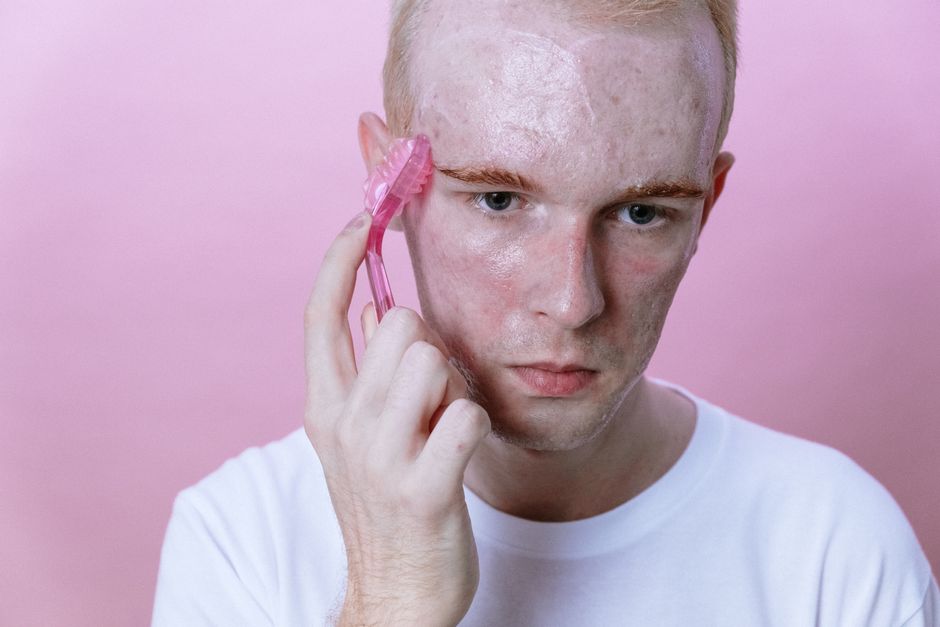
Acne prone skin is skin that breaks out regularly, not just once in a while. You likely have it if you get new pimples most weeks, if breakouts appear in the same areas repeatedly, or if your skin stays oily and congested no matter what you do. The clearest sign is a history of recurring breakouts that need ongoing management rather than an occasional spot that clears up on its own.
What Does Acne Prone Skin Actually Mean?
Acne prone skin is a tendency, not a permanent condition. Some people have skin that is genetically wired to produce more oil, shed skin cells faster, or react more strongly to bacteria. These factors combine to clog pores and cause inflammation.
Think of it like a sensitive alarm system. Most people’s skin handles excess oil without issue. Acne prone skin overreacts. The pores trap oil and dead skin cells, bacteria multiply, and the immune system responds with redness and pus. This process repeats because the underlying tendency does not go away.
Having acne prone skin does not mean you always have active pimples. Many people with this skin type have clear periods followed by flare-ups. The defining feature is the pattern of recurring breakouts, not the current state of your skin.
How To Know If You Have Acne Prone Skin: Key Signs
Look for these patterns to determine if your skin is truly acne prone. One or two pimples before your period does not count. Consistent, repeated breakouts do.
- Blackheads and whiteheads that never fully clear, especially on the nose, chin, and forehead
- Inflamed pimples that appear in the same zones every week, such as the cheeks or jawline
- Oily skin that looks shiny within a few hours of washing
- Slow healing — pimples take more than a week to flatten and often leave dark marks behind
- Breakouts after using most moisturizers or sunscreens, which suggests your pores clog easily
- A family history of acne — the tendency runs strongly in families
If you recognize three or more of these signs, your skin is likely acne prone. The exact number of pimples matters less than the pattern. Someone with five persistent bumps every week has acne prone skin. Someone with one pimple every two months probably does not.
Why Some Skin Breaks Out and Other Skin Does Not
Acne forms through a four-step process. First, the skin produces excess sebum, the natural oil that keeps skin hydrated. Second, dead skin cells shed irregularly and mix with that oil. Third, the mixture plugs the hair follicle. Fourth, bacteria called Cutibacterium acnes multiply inside the blocked pore, triggering inflammation.
Every human has this bacteria on their skin. The difference is how the skin responds. In acne prone skin, the follicle lining sheds cells too quickly and produces a sticky substance that traps them. The pore becomes a perfect environment for bacterial growth.
Hormones drive much of this process. Androgens, present in both men and women, stimulate oil production. This is why acne often starts at puberty and why many women see flare-ups around their menstrual cycle. Stress also raises certain hormones that can worsen oil production and inflammation.
Diet plays a smaller role than social media suggests. High glycemic foods and dairy may worsen acne in some people, but they do not cause it. If you have acne prone skin, what you eat might influence breakouts. It will not create the tendency from scratch.




The Difference Between Occasional Breakouts and Acne Prone Skin
Occasional breakouts are a normal part of having skin. Most people get a pimple now and then, especially during hormonal shifts or after heavy sweating. These spots appear, run their course, and do not return in the same place.
Acne prone skin behaves differently. The breakouts are frequent, persistent, and often leave marks. The skin never looks completely calm. There is usually a mix of active pimples, healing spots, and dark spots left behind from previous breakouts.
Another difference is how the skin responds to products. Acne prone skin breaks out from comedogenic ingredients like certain oils and silicones. Normal skin tolerates these without issue. If your skin reacts to most products with new pimples within days, that response itself is a sign of acne prone skin.
How To Test Your Skin At Home
You can get a clearer picture of your skin type with a simple observation test. Wash your face with a gentle cleanser and pat it dry. Do not apply any products. Check your skin after one hour and again after three hours.
If your skin looks shiny across the forehead, nose, and chin within an hour, you have oily skin. Oily skin is strongly associated with acne prone skin, though not everyone with oily skin breaks out. If only your T-zone is shiny and your cheeks feel normal, you have combination skin, which can also be acne prone.
Pay attention to how your skin feels after washing. Acne prone skin often feels tight or dry right after cleansing because cleansers strip the natural oils. Then it overproduces oil to compensate, leading to a cycle of dryness followed by excess shine.
You can also test your skin’s reaction to a new product. Choose a moisturizer labeled non-comedogenic, meaning it is formulated not to clog pores. Apply it to one side of your face for two weeks. If that side stays clear while the other side breaks out, your skin responds to product ingredients in a way that confirms acne prone skin.
When To See A Dermatologist
You do not need to manage this alone. A dermatologist can confirm whether your skin is acne prone and prescribe treatments that work better than over-the-counter options.
See a dermatologist if you have painful nodules or cysts, which are deep bumps that feel hard under the skin. See one if over-the-counter products have not improved your skin after three months of consistent use. See one if acne is affecting your mood or confidence, because effective treatment exists and you deserve it.
A dermatologist can also diagnose conditions that look like acne but are not. Perioral dermatitis, folliculitis, and rosacea all cause bumps that resemble pimples. These conditions require different treatments. Using acne products on them can make them worse.
Prescription treatments include topical retinoids, which normalize skin cell shedding, and antibiotics that reduce bacteria and inflammation. For women, certain birth control pills or spironolactone can address hormonal drivers. Isotretinoin is reserved for severe cases that do not respond to other treatments.
Daily Habits That Matter For Acne Prone Skin
Consistency beats intensity. Acne prone skin responds best to a simple routine done daily rather than aggressive treatments done occasionally.
Wash your face twice a day with a gentle cleanser. Look for products with salicylic acid or benzoyl peroxide, which are proven to treat acne. Salicylic acid helps unclog pores. Benzoyl peroxide kills bacteria and reduces inflammation. Start with a low concentration to avoid irritation.
Moisturize every time you wash. Acne treatments dry the skin, and dry skin produces more oil to compensate. A lightweight, non-comedogenic moisturizer keeps the skin barrier healthy without clogging pores.
Use sunscreen daily. Many acne treatments increase sun sensitivity. Sun exposure also darkens the marks left by healed pimples, making them take longer to fade. Choose a sunscreen labeled oil-free or non-comedogenic.
Do not pick or pop pimples. Picking pushes bacteria deeper into the skin, increases inflammation, and makes scarring more likely. It also prolongs healing time.
What Makes Acne Worse
Some habits and products make acne prone skin worse even if they do not cause the tendency. Knowing these triggers helps you avoid unnecessary flare-ups.
Heavy makeup and skincare products can clog pores. Look for labels that say non-comedogenic or oil-free. Even these can cause breakouts in sensitive individuals, so patch test new products on your jawline for a week before applying them to your whole face.
Sweat and friction contribute to breakouts. Tight clothing, helmet straps, and phone screens pressing against the skin can trap oil and bacteria. Shower after exercising and avoid letting sweat dry on your skin.
Over-washing and harsh scrubbing damage the skin barrier. This triggers more oil production and more inflammation. Wash gently with your fingertips and rinse with lukewarm water, not hot.
Stress management matters because stress hormones increase oil production. Sleep, exercise, and relaxation techniques do not cure acne, but they can reduce the severity of flare-ups.
Frequently Asked Questions
Can you develop acne prone skin later in life?
Yes, adult-onset acne is common, especially in women in their 30s and 40s due to hormonal shifts. If your skin never broke out as a teenager but breaks out now, the cause is likely hormonal rather than genetic.
Does oily skin always mean acne prone skin?
No, many people with oily skin never break out. Acne prone skin requires the combination of excess oil, irregular skin cell shedding, and an inflammatory response to bacteria.
How long does it take for acne treatments to work?
Most acne treatments take 8 to 12 weeks to show visible improvement. If a product has not helped after three months of daily use, a dermatologist can recommend something stronger.
Can diet changes cure acne prone skin?
Diet changes can reduce breakouts in some people but do not cure the underlying tendency. Reducing high glycemic foods and dairy may help, but genetics and hormones remain the primary drivers.
