
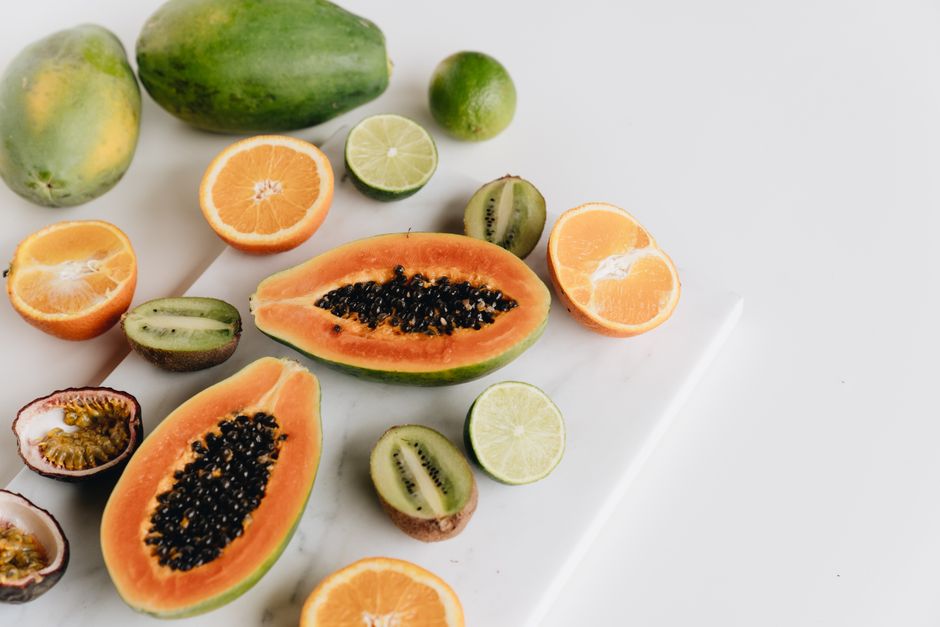
Passion fruit is ripe when its skin is deeply wrinkled and it feels heavy for its size. That wrinkling is a sign of maturity, not spoilage. A smooth, hard passion fruit is usually just underripe, and a fruit that is moldy, leaking, or smells fermented has gone bad.
This is the single most useful thing to know about passion fruit: the ugly, shriveled ones are often the best. Most people buy them smooth and shiny, then throw them out days later when the skin starts to wrinkle, thinking the fruit has turned. It has actually just finished ripening.
Why Does Ripe Passion Fruit Look Wrinkled?
Passion fruit loses water through its skin after it is picked. As that moisture leaves, the skin contracts and forms wrinkles. The pulp inside stays protected by a thick rind, and it becomes sweeter and more aromatic as the fruit continues to ripen.
So the wrinkle is a water-loss effect, not decay. A fruit with a smooth, taut skin is typically immature. A fruit with a deeply dimpled, leathery skin is usually at peak ripeness. The flavor is most concentrated at this stage.
There is a practical consequence here. If you buy passion fruit at a store and it feels rock hard, you can leave it on the counter for a few days. It will wrinkle on its own. You do not need to do anything special. Just let it sit at room temperature and check it daily.
How To Know If Passion Fruit Is Bad Or Just Ripe?
The key distinction is between a fruit that is changing texture and a fruit that is actively decaying. Ripe passion fruit wrinkles and feels heavy. Bad passion fruit shows signs of breakdown that go beyond surface texture.
Here is what to check:
- Mold: Any fuzzy growth, especially white, green, or black patches, means the fruit is spoiled. Cut away the moldy part and the rest is still not safe to eat, because mold can send threads deep into soft tissue.
- Leaking or weeping: A sticky or wet film on the outside suggests the rind has failed and the pulp is escaping. Discard it.
- Fermented smell: A ripe passion fruit smells floral and sweet. A bad one smells like alcohol, vinegar, or rot.
- Extreme lightness: A fruit that feels unusually light for its size has dried out inside. The pulp may be shriveled and unusable.
- Mushy collapse: If the fruit gives way completely and feels like a water balloon, the internal structure has broken down.
One note on appearance: a fruit can be very wrinkled and still be perfectly good. Wrinkling alone is never a reason to throw it out. The smell and the mold check matter more than the skin texture.
What Does Ripe Passion Fruit Feel Like Inside?
When you cut a ripe passion fruit open, the pulp should be a bright yellow-orange, gelatinous, and filled with dark seeds. It should smell fragrant and sweet. The pulp should hold together slightly, not run like liquid.
An underripe fruit has pale, firm pulp that is hard to scoop and tastes tart or bland. An overripe fruit has pulp that has turned brownish, watery, or separated. If the pulp is brown and smells off, the fruit is past its usable point.
Some browning at the edges of the pulp is normal in a very ripe fruit. Widespread brown discoloration with an off smell is not.





How Long Does Passion Fruit Last?
At room temperature, a ripe passion fruit lasts about two to three days before it starts to decline. In the refrigerator, a ripe fruit can last one to two weeks. An unripe fruit left at room temperature will ripen in a few days, then should be refrigerated or used.
These are general ranges, not fixed rules. Temperature, humidity, and how ripe the fruit was when you bought it all affect the timeline. Check the fruit rather than trusting a calendar.
If you want to slow ripening, put the fruit in the refrigerator. Cold temperatures slow the chemical changes that continue after harvest. If you want to speed ripening, leave it on the counter. Do not put unripe passion fruit in the fridge and expect it to ripen well, because cold can interrupt the process.
Can You Eat Passion Fruit That Is Overripe?
If the fruit is wrinkled but shows no mold, no leaking, and no fermented smell, it is usually fine to eat. The flavor may be more intense and slightly less sweet, but it is not spoiled.
Once mold appears or the smell turns alcoholic or sour, the fruit is no longer safe. Do not try to salvage it by cutting off the bad part. Soft, moist foods like passion fruit pulp allow mold and bacteria to spread beyond what you can see.
This is the same principle that applies to soft cheeses and jams. With firm, dry foods you can sometimes trim away mold. With high-moisture foods, you cannot.
Does Passion Fruit Get Sweeter After Picking?
Passion fruit does continue to change after harvest, but not in the same way as a banana or peach. The starch-to-sugar conversion that sweetens some fruits does not happen much here. Instead, the fruit loses water, the pulp becomes more concentrated, and acidity drops slightly. That combination makes it taste sweeter and more aromatic.
The fruit does not ripen further in a way that dramatically increases sugar content. What changes is the ratio of sugar to acid and the concentration of flavor compounds. This is why a wrinkled passion fruit tastes richer than a smooth one, even though the actual sugar may not have changed much.
This also means that if you buy a very underripe passion fruit, you cannot expect it to become as sweet as one that ripened on the vine. You can improve it, but there is a limit.
How Should You Store Passion Fruit?
Store unripe passion fruit at room temperature, out of direct sunlight. Once it wrinkles and feels right, move it to the refrigerator if you are not eating it right away. The refrigerator will slow further decline.
For longer storage, scoop the pulp and seeds into an airtight container and freeze. Frozen passion fruit pulp keeps for several months. The texture changes slightly after thawing, but the flavor holds up well for use in drinks, sauces, and desserts.
Do not wash passion fruit before storing it. Moisture on the skin encourages mold. Wash it just before you cut it open.
Is Wrinkled Passion Fruit Always Safe?
No. Wrinkling is a normal sign of ripeness, but it does not guarantee the fruit is safe. A wrinkled fruit can still develop mold or spoil if it is stored poorly or left too long.
The safe approach is to check all the signs together. Wrinkled skin plus a sweet smell plus no mold equals good fruit. Wrinkled skin plus a sour smell or fuzzy patches equals spoiled fruit.
Trust your senses. Smell and sight are reliable here. If something seems off, it probably is.
Frequently Asked Questions
Is it safe to eat passion fruit that is very wrinkled?
Yes, if it has no mold, no leaking, and no fermented smell. Wrinkling is a normal sign of ripeness, not spoilage.
How do I know if passion fruit has gone bad?
Look for mold, a wet or sticky surface, and a smell like alcohol or vinegar. Any of these means the fruit is spoiled and should be discarded.
Can I eat passion fruit if the inside is brown?
Some browning at the edges is normal in a very ripe fruit, but widespread brown pulp with an off smell means it has spoiled. If in doubt, throw it out.
Does passion fruit ripen after you buy it?
Yes, it continues to soften and lose water after harvest, which concentrates flavor and makes it taste sweeter. It will not become dramatically sweeter the way a banana does.
