
Hearing loss can feel unsettling, and the first question most people have is whether it will come back. The short answer is that it depends entirely on what caused the loss. Temporary hearing loss often results from blockages, infections, or noise exposure and can improve with treatment or rest. Permanent hearing loss typically involves damage to the inner ear or auditory nerve and does not reverse on its own. The only way to know for sure is to identify the cause through a medical evaluation and hearing test.
What Causes Temporary Hearing Loss?
Temporary hearing loss happens when something blocks sound from reaching the inner ear or when the ear’s structures are stunned but not destroyed. The most common cause is earwax buildup. When wax hardens and blocks the ear canal, sound waves cannot pass through easily. A doctor can remove it, and hearing usually returns to normal within hours.
Middle ear infections are another frequent cause. Fluid builds up behind the eardrum, which dampens sound. The CDC reports that most ear infections clear up on their own or with antibiotics within a few days to weeks. Once the fluid drains, hearing returns. Some people also experience temporary loss after a single loud event, like a concert or a gunshot. The ears ring and feel muffled, but the hair cells in the inner ear are not permanently damaged. Hearing typically recovers within 16 to 48 hours.
Certain medications can cause temporary hearing loss too. High doses of aspirin, some diuretics, and certain antibiotics can affect hearing. This is called ototoxicity. When the drug is stopped, hearing often improves. However, some ototoxic effects can become permanent if the medication is taken for too long.
What Causes Permanent Hearing Loss?
Permanent hearing loss occurs when the delicate hair cells in the cochlea or the auditory nerve itself are damaged beyond repair. Unlike skin or liver cells, these hair cells do not regenerate in humans. The National Institutes of Health states that age-related hearing loss, called presbycusis, is the most common cause. It affects about one in three adults over 65. This type is gradual and permanent.
Repeated exposure to loud noise is the second major cause. Research published in the journal Ear and Hearing has found that long-term exposure to sounds above 85 decibels slowly kills hair cells. This happens to factory workers, musicians, and people who use headphones at high volume for years. Once those cells are gone, the hearing loss is permanent.
Other causes include head trauma, viral infections like meningitis or mumps, and genetic conditions. Sudden sensorineural hearing loss, which happens over a few hours or days, can be permanent if not treated quickly. The American Academy of Otolaryngology recommends seeking medical help within 72 hours of sudden loss to have the best chance of recovery.
How To Know If Hearing Loss Is Permanent Or Temporary Based on Symptoms
Symptoms can give you clues, but they are not a guarantee. Temporary hearing loss often feels like fullness or pressure in the ear. You might notice your voice sounds louder or hollow when you speak. Ringing in the ears, known as tinnitus, is common with temporary noise-induced loss and usually fades as hearing returns.
Permanent hearing loss tends to be more subtle at first. You might notice that you can hear people talking but cannot understand their words clearly. Consonant sounds like “s,” “f,” and “th” become hard to distinguish. You may need to turn up the TV volume higher than others prefer. These symptoms usually develop slowly over months or years.
One clear difference is timing. If hearing loss came on suddenly after an infection, loud noise, or a medication change, it is more likely temporary. If it has been getting worse for years without any obvious trigger, it is more likely permanent. A single episode of sudden loss, however, can be either. That is why a hearing test is essential.
| Symptom | More Common in Temporary Loss | More Common in Permanent Loss |
|---|---|---|
| Onset | Sudden (hours to days) | Gradual (months to years) |
| Fullness in ear | Often present | Rare |
| Understanding speech | Muffled but clear | Words unclear, especially consonants |
| Tinnitus | Often fades | Often persistent |
| Pain | Common with infection | Rare |





What Tests Can Tell You the Difference?
A proper hearing test called an audiogram is the only reliable way to distinguish temporary from permanent loss. An audiologist plays tones at different pitches and volumes. You press a button when you hear them. The results show which frequencies you hear and how loud sounds need to be for you to notice them.
Temporary conductive hearing loss shows up as a gap between how well sound travels through air versus through bone. This gap suggests something is blocking the ear canal or middle ear. Permanent sensorineural loss shows air and bone conduction results that are equally poor. That pattern indicates inner ear damage.
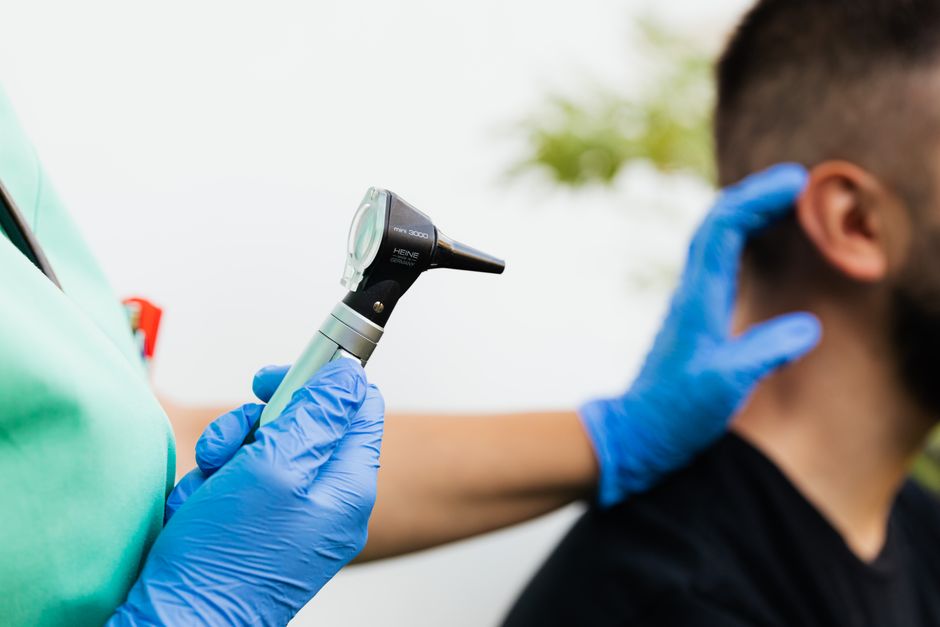
A tympanometry test measures how your eardrum moves. If it does not move well, fluid or wax may be the issue. If it moves normally but your hearing is still poor, the problem is likely in the inner ear. Doctors may also use an otoscope to look for visible blockages or infections. If they see a clear ear canal and a normal eardrum but hearing is still bad, permanent damage is more likely.
Some clinics offer otoacoustic emissions testing. A tiny microphone in the ear canal measures sounds that healthy hair cells produce in response to clicks. If those sounds are absent, the hair cells are likely damaged. This test is often used for newborns but can help adults too.
What To Do While You Wait for Answers
If you notice sudden hearing loss, do not wait to see if it gets better. The American Academy of Otolaryngology recommends seeing a doctor within 72 hours for sudden sensorineural hearing loss. Corticosteroids can sometimes reduce inflammation and save hearing, but they work best when started early. After a few weeks, the chance of recovery drops significantly.
For gradual loss, schedule a hearing test even if you think it is just aging. Knowing the baseline helps doctors track changes. If the loss is temporary, treatment can start right away. If it is permanent, early use of hearing aids can slow cognitive decline. A 2023 study in The Lancet found that treating hearing loss in older adults reduced the risk of dementia by nearly half.
While you wait for your appointment, protect your ears from further damage. Avoid loud environments. If you cannot avoid them, wear earplugs. Do not stick anything in your ear canal to remove wax. That can push it deeper and make the loss worse. Over-the-counter ear drops for wax removal are generally safe but check with a doctor first if you have a history of ear infections or a perforated eardrum.
Common Misconceptions About Hearing Loss
One widespread myth is that hearing loss always means you are going deaf completely. Most permanent hearing loss is partial. People with age-related loss often lose only high frequencies. They can still hear low-pitched sounds like thunder or a bass guitar. Hearing aids amplify the sounds you miss, not all sounds equally.
Another myth is that tinnitus always means permanent damage. Tinnitus can happen with both temporary and permanent loss. A single loud concert can cause ringing for days that fades completely. Persistent tinnitus that lasts months is more concerning, but even then, it does not always signal permanent hearing loss. Some people have tinnitus with normal hearing tests.
Some people believe that if hearing loss is permanent, there is nothing you can do. That is false. Hearing aids, cochlear implants, and assistive listening devices can restore a person’s ability to communicate. The hearing loss itself does not reverse, but the functional impact can be dramatically reduced. The National Institute on Deafness and Other Communication Disorders states that only about one in five people who could benefit from a hearing aid actually uses one.
A final misconception is that earwax removal at home is harmless. Using cotton swabs is one of the most common causes of impacted earwax. The swab pushes wax deeper and compacts it against the eardrum. This can cause temporary hearing loss that mimics permanent loss until a doctor removes the blockage.
Frequently Asked Questions
Can a doctor tell if hearing loss is permanent or temporary?
Yes, through a combination of an ear exam, hearing tests, and sometimes imaging scans. The results show whether the loss is conductive, sensorineural, or mixed.
How long does temporary hearing loss usually last?
It depends on the cause. Wax removal restores hearing immediately. Ear infections typically clear in a few days to two weeks. Noise-induced temporary loss usually resolves within 16 to 48 hours.
Is sudden hearing loss always permanent?
No. About half of sudden sensorineural hearing loss cases improve on their own or with treatment. The chance of recovery is highest when treatment starts within 72 hours.
Can hearing loss from loud noise be temporary?
Yes. A single exposure can cause temporary threshold shift, which sounds like muffled hearing and ringing. Repeated exposure, however, can lead to permanent damage over time.
