
Gelatin is a protein made by boiling animal skin, bones, and connective tissue — usually from pigs or cows. That single fact is why gelatin is one of the trickiest ingredients for Muslims to navigate. Most gelatin in the United States comes from pork, which is not halal. The only reliable way to know if a product is halal is to look for a certified halal symbol on the package, check the ingredient list for the word “gelatin” or its hidden forms, and contact the manufacturer when the label does not say. When in doubt, avoid it. There are halal-certified gelatin products and plant-based alternatives that can replace it in most foods and supplements.
Why Is Gelatin Usually Not Halal?
Gelatin is a protein extracted from collagen, the main structural protein in animal skin, bones, and connective tissue. The raw material matters more than the finished product. If the collagen comes from a pig, the gelatin is not halal. If it comes from a cow that was not slaughtered according to Islamic dietary rules, it is also not halal.
This is not a matter of traces or contamination. The gelatin is the animal-derived protein. There is no way to separate the pork origin from the finished ingredient.
In the United States, pork is the most common source of commercial gelatin. Beef gelatin is also widely produced, but unless the cattle were slaughtered according to halal requirements, the gelatin is not considered halal by most Islamic authorities. Fish gelatin exists and is generally accepted as halal by many scholars, though not all, since some schools of thought require specific slaughter for any animal product.
One point that often gets missed: gelatin does not always appear as the word “gelatin” on a label. It can hide under names like E441, “hydrolyzed collagen,” “gelatin hydrolysate,” or simply “collagen.” In processed foods, it can also show up as “gelling agent” or “stabilizer” without naming the source. This is where label reading gets complicated.
How To Know If Gelatin Is Halal: Reading Labels and Certifications
The most dependable method is to look for a halal certification symbol from a recognized certifying body. These symbols indicate that the product has been reviewed and that any gelatin used meets halal standards. Common certifiers include IFANCA (Islamic Food and Nutrition Council of America), HFA (Halal Food Authority), and others recognized in different regions.
If there is no certification symbol, the next step is the ingredient list. Look for:
- The word “gelatin” — if it is listed without a source, assume it is not halal unless the product carries a halal mark
- “Pork gelatin” or “porcine gelatin” — clearly not halal
- “Beef gelatin” — not halal unless certified
- “Fish gelatin” — accepted by many but not all scholars
- “E441” — this is the European code for gelatin, and it does not specify the source
- “Collagen,” “hydrolyzed collagen,” or “collagen peptides” — these are gelatin-related proteins and carry the same concerns
When the label does not specify the source, contacting the manufacturer is the only way to get a clear answer. Many companies will respond to email or phone inquiries about the origin of their gelatin. Some will confirm it is pork-derived. Others will say it is beef but cannot confirm halal slaughter. A few will have halal certification but not print the symbol on every package — always ask.
It is worth noting that “kosher gelatin” is not automatically halal. Kosher rules and halal rules overlap but are not identical. Kosher gelatin is typically fish-based or made from beef slaughtered under kosher supervision, which does not necessarily meet halal requirements.
Which Foods and Products Commonly Contain Gelatin?
Gelatin is used in far more products than most people realize. It thickens, gels, and stabilizes. Here are the categories where it shows up most often:
- Gummy candies and marshmallows — almost always pork gelatin unless labeled otherwise
- Jelly desserts and gelatin desserts — the classic example
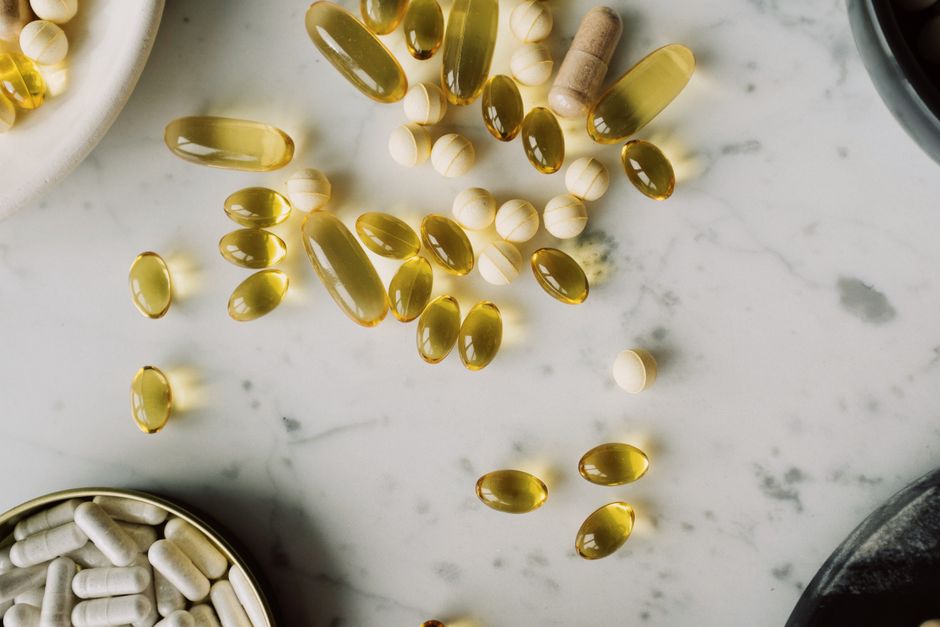
- Capsules and softgels — many supplements and medications use gelatin capsules
- Yogurt and sour cream — some brands add gelatin for texture
- Ice cream and frozen desserts — used to prevent ice crystal formation
- Gelatin-based desserts and puddings
- Some chewing gums and candies
- Cosmetics and skincare — collagen and gelatin appear in creams and masks
- Vaccines — some vaccines contain gelatin as a stabilizer
Medications deserve special attention. Many prescription and over-the-counter drugs use gelatin capsules. For some patients, avoiding all gelatin-containing medications may not be medically feasible. In those cases, many Islamic scholars allow the use of otherwise unavailable medication if no halal alternative exists and the medication is necessary for health. This is a recognized principle in Islamic law, though individual scholars may differ on specifics. Patients should consult a knowledgeable scholar and their doctor.




What Are Halal Gelatin Alternatives?
Several alternatives can replace gelatin in food and supplements. Each has different properties, so the best choice depends on what you are making or taking.
| Alternative | Source | Common Uses |
|---|---|---|
| Beef gelatin (halal-certified) | Cattle slaughtered according to halal rules | Gummies, desserts, capsules |
| Fish gelatin | Fish skin and bones | Some candies, capsules, desserts |
| Agar | Red algae | Jelly, desserts, vegan gummies |
| Carrageenan | Red seaweed | Dairy products, plant-based milks |
| Pectin | Fruit (usually citrus or apple) | Jams, jellies, fruit snacks |
| Konjac gum | Konjac plant root | Jelly, vegan gelatin substitutes |
| Starch-based gelling agents | Corn, potato, tapioca | Puddings, some candies |
Halal-certified beef gelatin is available from several suppliers and is used in halal gummy vitamins, marshmallows, and dessert mixes. It behaves almost identically to pork gelatin in recipes, which makes it a direct swap.
Fish gelatin is accepted by many Muslims, but not all. Some scholars require that fish be slaughtered according to halal rules, while others consider all fish halal regardless of slaughter method. This is a matter of scholarly disagreement, not a settled point.
Plant-based alternatives like agar, carrageenan, and pectin are halal by default since they contain no animal products. They do not behave exactly like gelatin — agar sets firmer and does not melt in the mouth the same way — but they work well in many applications.
What About “Halal” Labels That Are Not Certified?
A product that says “halal” on the front of the package without a recognized certification symbol may not actually be halal. In the US, there is no federal regulation of the word “halal” on food labels. Anyone can print it.
This is different from organic certification, which is regulated by the USDA. Halal certification is handled by private organizations, and while many are reputable, there is no single national standard. Some certifiers are recognized internationally. Others are not.
When you see a halal claim without a certifier’s symbol, treat it as unverified. Look for the certifying body’s name or logo. If you cannot find one, contact the company and ask which organization certified the product and whether that certification covers gelatin.
Some companies use the phrase “halal ingredients” or “suitable for halal diets” without certification. These phrases have no legal definition and should not be trusted on their own.
What About Gelatin in Medications and Vaccines?
Gelatin capsules are common in both prescription and over-the-counter medications. For many people, finding a halal alternative is possible — some drugs come in tablet form or use plant-based capsules. But for others, especially those with chronic conditions or life-threatening illnesses, avoiding gelatin may not be an option.
Islamic law includes the principle of necessity. When no halal alternative exists and the medication is needed to preserve health or life, many scholars permit its use. This is not a blanket permission. It depends on the specific situation, the availability of alternatives, and the severity of the need. Patients should discuss this with a scholar they trust and their prescribing doctor.
Vaccines are a separate case. Some vaccines contain gelatin as a stabilizer. The amount is very small, and the gelatin is part of a medical product, not a food. Many Islamic authorities have stated that vaccines containing gelatin are permissible when no alternative is available, especially when the vaccine prevents serious disease. Again, this is a matter for individual scholarly guidance.
It is also worth noting that gelatin in vaccines and medications is often highly processed. Some scholars argue that extensive processing can change a substance’s ruling, but this is a debated position and not universally accepted.
How To Find Halal-Certified Products
The most practical approach is to build a habit of checking for certification symbols and verifying unfamiliar ingredients. Here are steps that work:
- Look for a halal certification logo from a recognized body like IFANCA or HFA
- Check the ingredient list for gelatin, E441, collagen, or “gelling agent”
- If the source is not stated, contact the manufacturer directly
- Use apps and websites that maintain databases of halal-certified products
- When eating out, ask restaurants about ingredients in desserts, sauces, and gummy candies
- For medications, ask your pharmacist if a gelatin-free version exists
No single source is perfect. Certification symbols can be faked. Manufacturers can change ingredients without notice. The most reliable approach is to verify when it matters and to avoid products when you cannot confirm.
Frequently Asked Questions
Is all gelatin haram?
No. Gelatin from halal-slaughtered animals or from fish is accepted by many scholars, and plant-based alternatives contain no animal products. Pork gelatin and gelatin from non-halal-slaughtered animals are not halal.
Is fish gelatin halal?
Many Islamic scholars consider fish gelatin halal because fish are generally considered permissible without ritual slaughter. Some scholars disagree, so it is not universally accepted.
Can I trust a product that says “halal” without a certification symbol?
No. In the US, the word “halal” on food packaging is not regulated, so it can be printed without verification. Look for a recognized certifier’s logo instead.
What if my medication contains gelatin and there is no alternative?
Many scholars permit the use of necessary medication containing gelatin when no halal alternative exists, based on the principle of necessity. This depends on your specific situation, so consult a trusted scholar and your doctor.
