
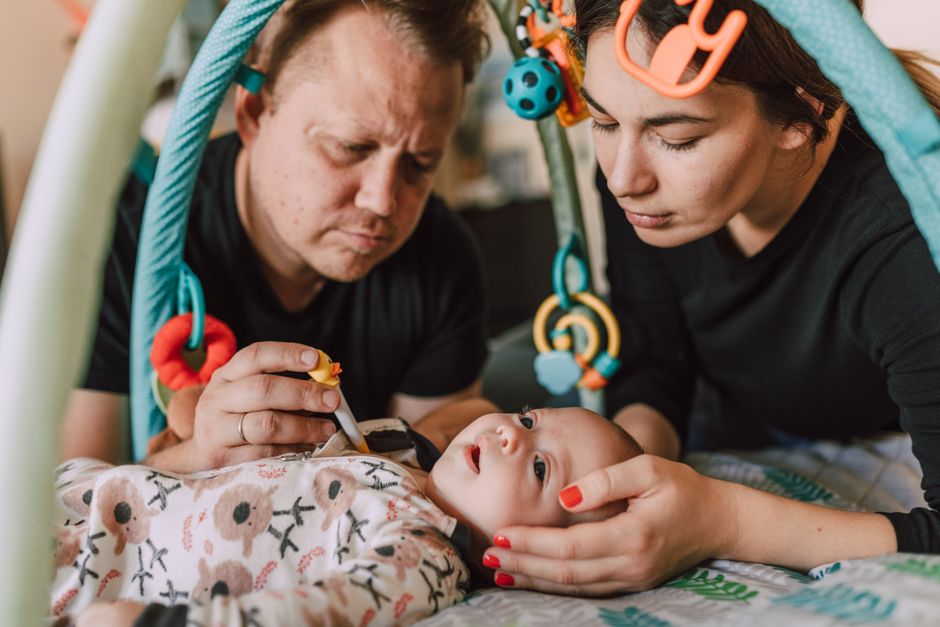
A newborn sleeping peacefully is a comforting sight. But many new parents worry about whether their baby is too cold during the night. You can tell a newborn is cold while sleeping by feeling their chest, back, or tummy. These areas should feel warm to the touch. Cold hands and feet are normal in babies and do not mean they are too cold.
Babies lose body heat faster than older children and adults. Their bodies are small, and they do not have much fat to keep them warm. They also cannot shiver effectively to generate heat. This is why checking on them properly matters.
How To Know If A Newborn Is Cold While Sleeping
Feeling your baby’s skin is the most reliable way to check their temperature. Place your hand on their chest or the back of their neck. If these areas feel warm and dry, your baby is comfortable. If they feel cool, your baby needs another layer.
Do not use your baby’s hands or feet as a guide. Their extremities are often cooler because their circulatory system is still maturing. Blood flows to the core organs first, leaving the hands and feet cooler. This is a normal part of newborn physiology.
Look for other physical signs as well. A cold baby may have cool cheeks or a cool tummy. Their skin might look pale or mottled. Mottling is a lacy pattern on the skin that can appear when a baby is cold. If you notice these signs, add a layer or adjust the room temperature.
What Room Temperature Is Safest For A Sleeping Newborn
Room temperature matters more than blanket thickness. The recommended range for a baby’s sleeping room is between 68 and 72 degrees Fahrenheit (20 to 22 degrees Celsius). This range supports safe sleep and reduces the risk of overheating.
Overheating is a known risk factor for Sudden Infant Death Syndrome (SIDS). It is actually more common than cold stress in most home environments. Parents often overdress their babies because they fear the cold. This can be dangerous.
You can check the room temperature with a simple thermometer. Place it away from direct sunlight and heating vents. This gives you an accurate reading of the air your baby is breathing.
How Many Layers Should A Sleeping Newborn Wear
A general rule is to dress your baby in one more layer than you need to be comfortable at night. If you are sleeping in a t-shirt and light pants, your baby may need a onesie and a sleep sack or swaddle.
A wearable blanket or sleep sack is a safer choice than loose blankets. Loose bedding increases the risk of suffocation and SIDS. Sleep sacks keep your baby warm without covering their face or head.
Do not put a hat on your baby while they sleep indoors. Babies release excess heat through their heads. Covering the head can cause overheating. The only exception is the first few hours after birth in the hospital when a nurse may place a cap on your newborn.
Swaddling can be an effective way to keep a newborn warm. Stop swaddling once your baby shows signs of trying to roll over, usually around 2 to 4 months. A swaddled baby who rolls onto their stomach cannot push themselves back up safely.





Signs Your Newborn Is Too Cold During Sleep
Newborns cannot tell you they are cold. They also may not cry right away. A cold baby often becomes quiet and still to conserve energy. This makes it harder to notice the problem.
Watch for these signs of cold stress:
- Cool chest, back, or tummy when you feel them
- Pale or mottled skin
- Lethargy or difficulty waking for feeds
- Shallow or slow breathing
- Fussiness that stops when you warm them
Severe cold stress is a medical emergency. If your baby feels very cold, is limp, or is difficult to wake, call emergency services immediately. Do not use hot water bottles or heating pads to warm a baby quickly. These can cause burns. Instead, warm your baby skin-to-skin against your chest and add dry layers.
Why Newborns Get Cold Faster Than Older Babies
Newborns have a higher surface area to body weight ratio than older children. This means more of their body surface is exposed relative to their mass. Heat escapes through the skin more rapidly.
Their bodies also lack the fat insulation that develops in the first months of life. Brown fat is present in newborns and helps generate heat, but it is limited. Once that energy source is used up, the baby depends on external warmth.
Newborns cannot shiver. Shivering is a muscle response that generates heat in older children and adults. Because newborns cannot shiver, they rely entirely on their environment to stay warm. This is why room temperature and clothing layers are so important.
Premature babies have even more difficulty regulating temperature. They have less brown fat and thinner skin. If your baby was born early, follow your pediatrician’s specific guidance about sleep clothing and room temperature.
How To Dress A Newborn For Sleep Safely
Start with a base layer like a cotton onesie. Cotton is breathable and gentle on newborn skin. Avoid synthetic fabrics that trap moisture and cause sweating.
Add a sleep sack with the appropriate TOG rating for the season. TOG is a unit of thermal insulation. A 0.5 TOG sack is suitable for warmer rooms. A 1.0 TOG sack works for most room temperatures. A 2.5 TOG sack is for colder rooms.
Check your baby periodically through the night. You do not need to wake them up. Simply place your hand on their chest for a few seconds. A warm chest means they are fine. A sweaty neck or damp hair means they are too warm.
If your baby feels cold, add one layer at a time. Wait a few minutes and check again. Making small adjustments is safer than adding several layers at once. Sudden overheating is just as dangerous as getting cold.
What To Do If Your Newborn Wakes Up Cold
If your baby wakes up with cool skin, warm them gradually. Hold them against your bare chest under a blanket. Your body heat will warm them safely and gently. This is called skin-to-skin contact.
Do not turn up the heat suddenly or place your baby near a heater. Rapid temperature changes stress a newborn’s system. Instead, add a dry layer of clothing and use your own body heat.
Feed your baby after they warm up. Cold babies use energy to stay warm, and they may be hungry. A feeding will also help raise their blood sugar and body temperature naturally.
If this happens often, review your sleep setup. The room may be too cold, or your baby may need a higher TOG sleep sack. Some babies simply run cooler than others. Adjust gradually until you find what keeps your baby comfortable through the night.
Frequently Asked Questions
What temperature is too cold for a newborn sleeping?
A room below 68 degrees Fahrenheit is too cold for a sleeping newborn. Keep the nursery between 68 and 72 degrees Fahrenheit for safe sleep.
Should I put socks on my newborn at night?
Cold feet are normal in newborns, so socks are not required. If your baby’s chest feels warm, their cool feet are not a problem. Socks are fine if they stay on, but loose socks can become a safety hazard.
How do I know if my newborn is too cold without a thermometer?
Feel your baby’s chest, back, or tummy with the back of your hand. Warm and dry means comfortable. Cool skin on these areas means your baby needs another layer.
Can a newborn get sick from being cold at night?
Being cold does not directly cause illness, but cold stress can weaken a newborn’s system. Maintaining a proper sleep temperature supports normal immune function and safe sleep.
