
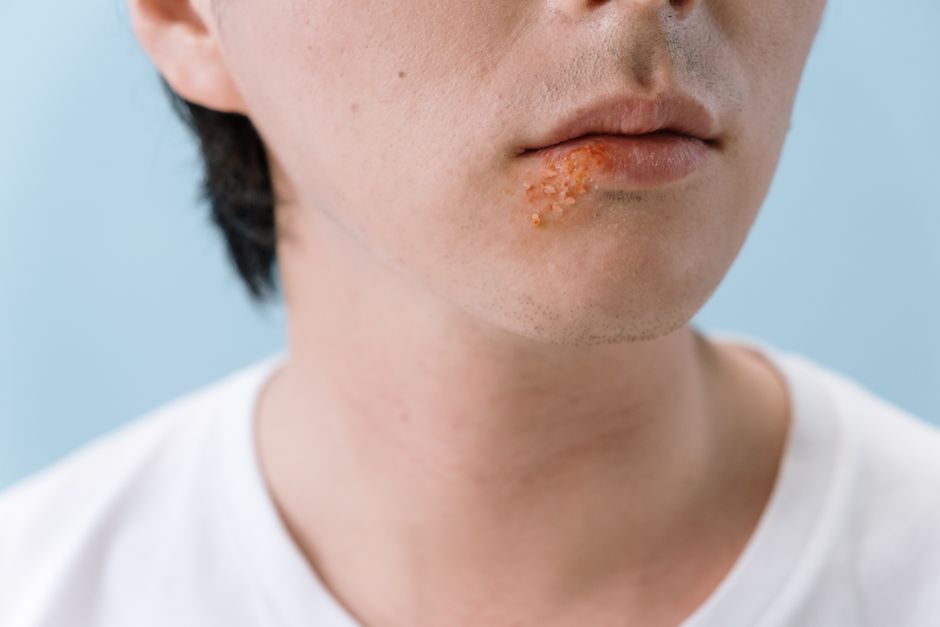
A cold sore often announces itself before you can see anything. The earliest sign is usually a tingling, itching, or burning feeling on or around the lip, and it can start anywhere from a few hours to about a day before a blister appears. That sensation is caused by the herpes simplex virus waking up in a nerve and traveling toward the skin surface. If you learn to recognize it, you can act during the window when treatment tends to work best.
Most people who get cold sores will have the same early warning each time. The pattern is usually consistent from one outbreak to the next, which makes it easier to spot once you know your own signals.
How To Know If A Cold Sore Is Coming Early Signs
The prodrome is the medical name for that first phase, and it is almost always felt rather than seen. The skin looks normal. There is nothing to see yet. What you feel is the virus moving along a nerve branch toward the lip.
The most commonly reported early signs include:
- A tingling, prickling, or “pins and needles” feeling on the lip or the skin just outside it
- Itching or a mild burning sensation in one small spot
- Tenderness when you touch the area
- A slight feeling of tightness or swelling under the skin
- Occasionally, a dull ache or throb in the same spot
These sensations are usually one-sided and localized. They cluster in a small area, often at the edge of the lip where it meets the skin of the face. That border is where the virus tends to reactivate.
Some people also notice general symptoms around this time. A mild headache, tiredness, or a low-grade fever can accompany the start of an outbreak, especially in children or during a first episode. For most adults with recurring cold sores, the local tingling is the main signal and the only one they reliably notice.
What Does the Tingling Actually Mean?
Cold sores are caused by herpes simplex virus type 1, or HSV-1, in the large majority of cases. After the first infection, the virus does not leave the body. It settles into a cluster of nerve cells called a ganglion and stays there, inactive, for most of the time.
When something reactivates it, the virus travels back down the nerve toward the skin. The tingling you feel is the virus reaching the nerve endings near the surface. The skin is not yet damaged. The blister has not formed. This is why the area can feel strange while looking completely normal.
Once the virus reaches the skin, it causes the cells there to respond with inflammation. Fluid collects under the skin, and a blister forms. That is when the visible stage begins, usually within a day or so of the first tingle.
This nerve pathway is why cold sores tend to appear in the same spot every time. The virus reactivates in the same nerve and follows the same route to the same patch of skin.
What Triggers a Cold Sore to Start?
HSV-1 reactivates when the immune system’s hold on the virus weakens, even briefly. Several triggers are commonly reported by people who get recurring cold sores. The evidence for some is stronger than for others.
Well-recognized triggers include:
- Physical or emotional stress. Stress is one of the most frequently reported triggers, though measuring it in studies is difficult.
- Fever or illness. This is why cold sores are sometimes called fever blisters. Another infection can give the virus an opening.
- Sun exposure and wind. Ultraviolet light is a well-documented trigger. Sunburn on the lips is a common cause of outbreaks.
- Menstruation. Hormonal changes around the menstrual cycle are commonly reported to trigger outbreaks.
- Skin injury or irritation. Trauma to the lip area, including cosmetic procedures, can set off an outbreak.
- Fatigue and poor sleep. Many people link outbreaks to periods of exhaustion.
The honest position is that triggers vary a lot between people. Not everyone can identify what sets off their outbreaks. Some people get them with no obvious cause at all. If you keep a simple note of when outbreaks happen and what was going on beforehand, patterns sometimes emerge.
What Happens After the Early Signs?
Cold sores follow a fairly predictable sequence. Knowing the stages helps you understand what to expect and when the sore is most contagious.
The typical progression looks like this:
- Tingling stage. Lasts from a few hours to about a day. Skin looks normal.
- Blister stage. One or more small, fluid-filled blisters form. They may cluster together. This usually happens within a day of the tingling.
- Weeping stage. The blisters break and a shallow open sore appears. This is often the most uncomfortable and most contagious phase.
- Crusting stage. A yellow or brown crust forms over the sore as it begins to heal.
- Healing stage. The crust flakes off and the skin underneath heals. A full outbreak usually resolves within about one to two weeks.
Children having their first HSV-1 infection can have a more involved illness. That first episode may include sores inside the mouth, fever, swollen glands, and general discomfort, and it can last longer than later outbreaks. Recurring cold sores in adults are usually milder than the first infection.
Why Acting Early Matters
The early tingling stage is the window when antiviral treatment is most likely to help. Antiviral medicines for cold sores work best when started at the first sign of an outbreak, before the blister has fully formed. This is the main practical reason to learn your warning signs.
Prescription antiviral medications are available, and some topical products are sold without a prescription. The evidence supports that starting antiviral treatment early in an outbreak can reduce how long it lasts and how severe it is. It does not eliminate the virus or stop all future outbreaks.
No product currently available cures cold sores or removes HSV-1 from the body. Marketing that suggests otherwise is not supported by clinical evidence. If you are considering a treatment, a pharmacist or clinician can tell you what the evidence supports for your situation.
Keeping the area clean, avoiding touching the sore, and not sharing items like lip balm, towels, or utensils while a sore is present are standard practical steps. Cold sores are contagious from the first tingle until the sore has fully healed.
When to See a Clinician
Most cold sores are self-limiting and heal without medical treatment. Some situations warrant a professional opinion.
Contact a clinician if:
- A cold sore is near the eye or you notice any eye symptoms such as redness, pain, or blurred vision. Herpes infection of the eye is a serious matter and needs prompt medical attention.
- Sores are large, widespread, or do not heal within about two weeks.
- You have a weakened immune system, for example from certain medical conditions or treatments.
- You have frequent, severe outbreaks and want to discuss options.
- A young infant develops sores or fever with mouth symptoms. Newborn infection with HSV can be serious and needs urgent medical assessment.
People with eczema should also take care, because the virus can cause a more widespread skin infection in some cases. If you have eczema and develop rapidly spreading blisters, seek medical care promptly.
Can You Prevent Cold Sores From Forming?
You cannot reliably stop a cold sore once the tingling has started. The virus is already active by that point. What you can do is reduce how often outbreaks happen and reduce the severity when they do.
Steps with reasonable support include:
- Protect your lips from the sun. Ultraviolet light is a well-documented trigger, so lip balm with sun protection and shade during peak sun hours can help.
- Manage stress and sleep. Since stress and fatigue are commonly reported triggers, general self-care is reasonable, even though it is hard to prove a direct effect in studies.
- Treat early. If you have a prescription antiviral, starting it at the first tingle is the most evidence-supported way to reduce an outbreak’s impact.
- Keep hands off. Touching or picking at a sore can spread the virus to other areas of skin or to your eyes.
For people with very frequent outbreaks, some clinicians recommend preventive antiviral treatment taken daily. This is a conversation to have with a healthcare professional, since it involves ongoing medication and an individual assessment of benefits and risks.
Frequently Asked Questions
How soon after tingling does a cold sore appear?
A blister usually forms within a few hours to about a day after the first tingling. The tingling stage is the time when skin still looks normal but feels itchy, burning, or tender.
Can you stop a cold sore if you catch it early?
Starting antiviral treatment at the first tingle can reduce how long an outbreak lasts and how severe it is. It cannot stop the virus completely or prevent all future cold sores.
What does a cold sore feel like when it first starts?
Most people feel a tingling, itching, or burning in one small spot on or near the lip. The area may also feel tender or slightly tight, even though nothing is visible yet.
Are cold sores contagious before the blister appears?
Yes. Cold sores are considered contagious from the first tingling until the skin has fully healed, which is why avoiding close contact and not sharing items matters during an outbreak.
