
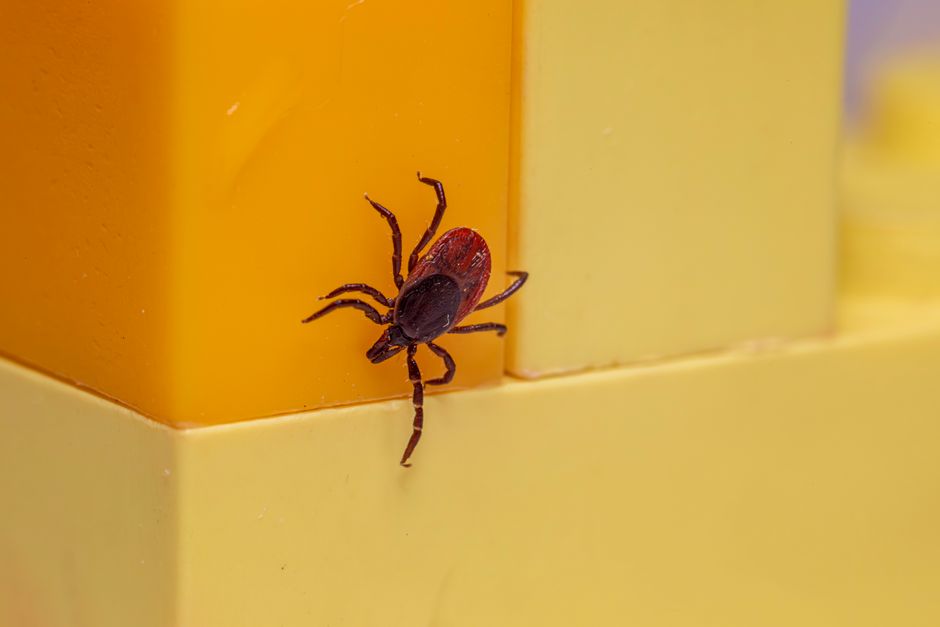
Most bug bites heal on their own within a few days. A bite becomes infected when bacteria enter through the broken skin. The clearest signs are spreading redness, warmth around the bite, and pain that gets worse instead of better. If you notice red streaks moving away from the bite, or if you develop a fever, these are signs the infection may be spreading and you should see a doctor. This guide covers exactly what to look for and when to take action.
What Are the First Signs of an Infected Bug Bite?
A normal bug bite gets less red and less itchy over time. An infected bite does the opposite. The redness expands beyond the initial bite mark. The area feels warm or hot to the touch compared to the skin around it. Swelling increases rather than going down after the first day.
Pain is another major clue. Normal bites itch. Infected bites hurt. The pain may feel like a deep ache or a sharp tenderness when you press on it. Some people describe a throbbing sensation that does not stop. If you have a visible bite and the pain wakes you up at night, that is a strong warning sign.
Pus or thick yellow-green drainage is an obvious sign of infection. But not all infected bites ooze. Some just get redder and angrier looking. Trust the feeling of heat and spreading redness even if there is no pus yet. The CDC reports that cellulitis, a common skin infection from bites, often starts with these symptoms before any drainage appears.
How To Know If A Bug Bite Is Infected vs. Just a Bad Reaction
People often confuse an allergic reaction with an infection. Both can cause redness and swelling. The difference comes down to timing and pattern. An allergic reaction usually happens within minutes to hours after the bite. It peaks quickly and then starts to fade. An infection takes longer to develop. It shows up 24 to 48 hours after the bite and gets progressively worse.
Allergic reactions cause intense itching and a raised welt that looks like a hive. The swelling may be dramatic but it stays contained. Infections cause spreading redness that creeps outward like a stain on paper. Draw a pen line around the red area. If the redness moves past that line in the next few hours, it is likely an infection, not an allergy.
Some people have large local reactions to mosquito bites. This is not an infection. It is your immune system overreacting to the mosquito saliva. The area gets hot, red, and swollen to the size of a small plate. But it stops spreading after about 12 hours and then slowly gets better. An infection does not stop spreading on its own. If the redness has no boundary and keeps growing, get it checked.
Which Bug Bites Are Most Likely to Get Infected?
Any bite that breaks the skin can get infected. But some bites carry higher risk. Spider bites, especially from brown recluse spiders, can cause tissue damage that mimics infection even when no bacteria are present. The venom itself kills skin cells. This creates an open wound that bacteria can easily enter.
Tick bites are dangerous for a different reason. The tick itself can carry bacteria that cause Lyme disease or other infections. A tick bite that develops a bullseye rash is not infected in the usual sense. It is a bacterial infection transmitted directly by the tick. This requires specific antibiotics, not just wound care.
Scratches from cats or dogs that happen alongside insect bites also raise infection risk. Animal claws carry bacteria deep into the skin. If you have pets and a bite that gets scratched by them, clean the area thoroughly. Research published in the Journal of the American Academy of Dermatology found that bites on the lower legs and feet have the highest infection rates. These areas have poorer blood circulation and are closer to the ground where bacteria live.




When Should You See a Doctor for a Bug Bite?
| Sign | What It Means | Action |
|---|---|---|
| Red streaks from the bite | Infection spreading through lymph system | See a doctor today |
| Fever over 100.4°F | Systemic infection possible | See a doctor today |
| Redness spreading past a pen line | Active bacterial growth | See a doctor within 24 hours |
| Pus or yellow drainage | Localized infection | See a doctor within 24 hours |
| Pain out of proportion to the bite size | Deep tissue infection possible | See a doctor within 24 hours |
| Swollen lymph nodes near the bite | Infection entering immune system | See a doctor within 24 hours |
If you have diabetes, a weakened immune system, or circulation problems in your legs, do not wait. These conditions make it harder for your body to fight off skin infections. A small infected bite can turn into a serious problem quickly. The American Academy of Dermatology advises anyone with these conditions to see a doctor at the first sign of spreading redness.
Do not try to drain pus or pop any blister on an infected bite. This pushes bacteria deeper into the tissue. Keep the area clean with soap and water. Apply a clean bandage. If the bite is on an arm or leg, elevate it to help reduce swelling. These steps do not replace medical treatment but they help while you wait for an appointment.
What Does Treatment for an Infected Bug Bite Look Like?
Doctors treat infected bug bites based on how bad the infection is. For mild infections, they may prescribe a topical antibiotic cream like mupirocin. You apply it directly to the bite two or three times a day. Keep the area covered with a bandage. Most mild infections clear up within a week with this approach.
For more serious infections, oral antibiotics are the standard treatment. The type depends on which bacteria are most common in skin infections. Most of the time, doctors prescribe antibiotics that cover staph and strep bacteria. These are the two main culprits in infected bug bites. You need to take the full course even if the bite looks better after a few days. Stopping early can cause the infection to come back stronger.
In rare cases, an infected bite may need to be opened and drained by a doctor. This is only for abscesses that have a pocket of pus deep under the skin. The doctor numbs the area, makes a small cut, and lets the pus drain out. This is not something you should ever do at home. The risk of spreading the infection or causing a worse problem is too high.
Some people report that natural remedies like tea tree oil or honey help with infected bites. Strong evidence is limited. A small study published in the journal Dermatitis found that tea tree oil has some antibacterial properties against skin bacteria. But the effect is much weaker than prescription antibiotics. If you choose to use these products, use them alongside medical treatment, not instead of it.
How to Prevent Bug Bites From Getting Infected
The best way to avoid an infected bite is to prevent bites in the first place. Use EPA-registered insect repellents with DEET, picaridin, or oil of lemon eucalyptus. The CDC reports that these ingredients provide the longest lasting protection. Apply repellent to exposed skin before going outside. Reapply according to the label instructions.
If you do get bitten, do not scratch. Scratching breaks the skin and introduces bacteria from your fingernails. Keep your nails short. Use an anti-itch cream like hydrocortisone or a cold pack to calm the itch. Oral antihistamines like cetirizine or loratadine can also reduce itching without the risk of scratching the skin.
- Wash every bite with soap and water as soon as you notice it
- Apply an over-the-counter antibiotic ointment if the skin is broken
- Cover the bite with a clean bandage to keep bacteria out
- Change the bandage daily and check for signs of infection
- Avoid scratching by keeping the area cool and using anti-itch products
If you spend time in areas with high tick populations, do a full body check after coming indoors. Ticks can carry Lyme disease and other infections that do not look like a typical infected bite. The sooner you remove a tick, the lower your risk of getting sick. Use fine-tipped tweezers to pull the tick straight out. Do not twist or jerk. Clean the area with rubbing alcohol afterward.
Common Misconceptions About Infected Bug Bites
One widespread myth is that a red ring around a bite always means infection. This is not true. Some people develop a red halo from their immune system reacting to the bite. The key is whether the ring is expanding. A stable red ring that does not grow is usually not an infection. An expanding ring that gets wider over hours is a warning sign.
Another myth is that all spider bites are dangerous and get infected easily. Most spider bites are harmless. Even bites from brown recluse spiders rarely get infected with bacteria. The tissue damage comes from the venom, not from germs. Treating a venom reaction with antibiotics does not help. If you suspect a spider bite, see a doctor for proper diagnosis rather than assuming it is infected.
Some people believe that putting a raw onion or garlic on a bite can draw out infection. This is widely claimed though strong evidence is limited. These foods have some antimicrobial properties in a lab setting. But putting them on broken skin can cause irritation and chemical burns. Stick to proven methods. Clean the wound. Use antibiotic ointment. See a doctor if signs of infection appear.
The idea that you should let an infected bite “breathe” without a bandage is also false. A clean bandage protects the bite from more bacteria. It also keeps the antibiotic ointment in contact with the skin where it works. Change the bandage daily and check the bite. If it looks worse under the bandage, that is a sign to see a doctor sooner.
Frequently Asked Questions
How can I tell if a bug bite is infected at home?
Look for spreading redness, warmth, increasing pain, and pus. Draw a pen line around the red area and check if it expands beyond that line over the next few hours.
Can an infected bug bite heal on its own without antibiotics?
Mild infections sometimes clear on their own, but any infection with spreading redness, fever, or red streaks needs antibiotics. Waiting too long can cause the infection to spread to deeper tissues.
What does an infected mosquito bite look like compared to a normal one?
A normal mosquito bite shrinks and fades over days. An infected bite gets redder, larger, and more painful. It may feel hot to the touch and develop a hard, swollen area around it.
Is it safe to put Neosporin on a bug bite?
Yes, over-the-counter antibiotic ointments like Neosporin can help prevent infection in a fresh bite. But they are not strong enough to treat an infection that has already started. See a doctor if signs of infection appear.
