
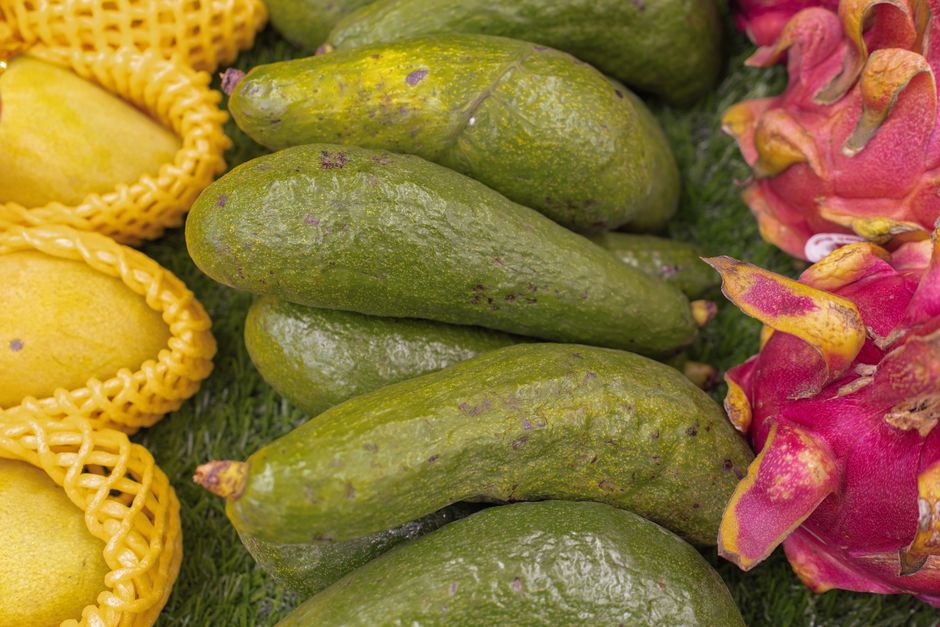
An avocado is ripe when it gives slightly under gentle pressure and the stem cap comes away easily to reveal green underneath. Color alone is unreliable — Hass avocados stay dark green to nearly black at peak ripeness, and some varieties are ripe while still bright green. The most reliable method combines a gentle squeeze, a stem check, and a look at the skin’s texture.
How To Know Avocado Is Ripe: Step by Step
Work through these steps in order. The first two take about ten seconds and settle most questions.
Step 1: Squeeze gently. Hold the avocado in your palm and close your fingers around it. Do not press with your fingertips — that bruises the flesh underneath. A ripe avocado yields slightly to firm, even pressure. An unripe one feels like a smooth stone. An overripe one feels mushy or leaves a lasting dent where your fingers pressed.
Step 2: Check the stem cap. Find the small nub at the top. Flick it off with a fingernail. If it comes away easily and you see green underneath, the avocado is ripe. Brown underneath means it is overripe. If the cap will not budge, it is not ready.
Step 3: Feel the skin texture. Ripe Hass avocados have a slightly pebbled, bumpy surface. Very smooth, shiny skin usually signals an avocado that has not ripened yet.
Step 4: Weigh it in your hand. A ripe avocado feels heavy for its size. That weight comes from water content in the flesh — a light, hollow-feeling fruit is often underdeveloped.
Step 5: Look at the color, but do not rely on it. Hass avocados darken as they ripen, but the shade varies from fruit to fruit. Some are ripe at dark green. Others turn nearly black before they soften. Treat color as a supporting clue, not the deciding one.
Why Does Color Alone Fail as a Ripeness Test?
Color is the least reliable indicator for a simple reason: it varies by variety and by individual fruit. Hass, the most common avocado sold in the US, goes from green to dark purple-black as it ripens. But the timing of that color shift does not always match the timing of softening.
Some avocados darken days before they soften. Others soften while still mostly green. Fuerte, Bacon, and Pinkerton varieties stay green even at full ripeness, which makes color-based rules useless for them.
Ripeness is a physical change, not a visual one. As the fruit ripens, enzymes break down pectin — the structural material holding cell walls together. That breakdown is what makes flesh soft and creamy. The color change is a separate process involving pigments. They usually happen together. Usually is not always.
What Does an Unripe Avocado Feel Like?
An unripe avocado feels hard and solid, like a rubber ball with no give. When you squeeze it, nothing moves. The skin may be bright green and glossy, and the stem cap will be firmly attached.
Cutting into an unripe avocado reveals pale yellow-green flesh that is firm and resists mashing. It also tastes bland and slightly bitter, because the oils and sugars that develop during ripening have not formed yet.
An unripe avocado is not spoiled — it just needs time. Leave it on the counter at room temperature and check it daily.
What Does an Overripe Avocado Feel Like?
An overripe avocado feels soft and squishy, and your fingers leave a lasting indentation. The stem cap may already be missing, with brown flesh visible underneath.
Inside, the flesh turns from green to brown and develops a stringy, watery texture. It may smell slightly off or fermented. Small brown spots are localized bruising from handling, which can sometimes be cut away. Widespread brown, mushy flesh throughout the fruit means it has gone past its peak.
An avocado this soft is not dangerous to eat if it smells normal and has no mold. But the flavor and texture are poor, and it will not hold up in a salad or on toast.
How to Ripen an Avocado Faster
Avocados ripen on their own after harvest, releasing ethylene gas — a natural plant hormone that speeds ripening. You can use that process to your advantage.
Place the avocado in a paper bag and fold the top closed. The bag traps the ethylene the fruit gives off, concentrating it around the avocado. Adding a banana or apple to the bag increases ethylene further, since both fruits release it in quantity.
Leave the bag on the counter at room temperature. Check the avocado every day — most ripen within a few days, though timing varies widely depending on how mature the fruit was at harvest. Ripening happens faster in a warm room and slower in a cool one.
A refrigerator slows ripening dramatically. Only move an avocado to the fridge once it is already ripe, where it will hold for a few days longer. Putting a hard avocado in the fridge stops the process almost entirely.
Does the “Wiggle the Stem” Trick Really Work?
Yes, with one caveat. The stem test is one of the more reliable field methods because it checks the fruit directly rather than guessing from the outside.
Flick or gently wiggle the small cap at the top of the avocado. If it pops off easily and the flesh beneath is green, the avocado is ready. If the cap is stubborn and will not move, the fruit needs more time.
The caveat: once you remove the cap, that spot is exposed to air and will begin to brown. Only do the stem test when you plan to eat the avocado soon. If you are still deciding whether to buy it at the store, use the gentle squeeze test instead.
How Long Does a Ripe Avocado Last?
A ripe avocado on the counter lasts a day or two before it starts to go soft. In the refrigerator, a whole ripe avocado typically holds for several days longer.
Once cut, avocado flesh browns quickly when exposed to air — an enzymatic reaction called oxidation. It is not spoilage, just a color change. Coating the exposed surface tightly with plastic wrap, pressing out air, slows it. So does a squeeze of lemon or lime juice, since the acid slows the browning enzyme.
Cut avocado stored in the fridge is best eaten within a day or two. After that, texture and flavor decline even if the color looks acceptable.
What About the “Pull the Little Stem Off” Rule — Common Mistakes
Several popular ripeness tips are unreliable or actively misleading. Here is what to set aside.
- “If it’s black, it’s ripe.” Color varies by variety and individual fruit. Some black avocados are still hard inside.
- “Squeeze it hard to check.” Hard squeezing bruises the flesh under the skin. Always use gentle, even palm pressure.
- “Shake it and listen for the pit.” A rattling pit can mean the flesh has shrunk from age, not that the fruit is ripe. This test is unreliable.
- “All avocados ripen on the same schedule.” Harvest maturity, storage temperature, and variety all affect ripening time. Check each fruit individually.
- “A soft avocado is a bad avocado.” Slight softness is the goal. Only mushiness signals overripeness.
The best approach combines two or three checks. A gentle squeeze plus a stem check settles almost every case. Color and weight add supporting information.
Ripeness at a Glance
Here is a quick reference for the three stages you are most likely to encounter.
| Stage | Squeeze Test | Stem Cap | Skin Color (Hass) | Flesh Inside |
|---|---|---|---|---|
| Unripe | Hard, no give | Firmly attached | Bright green | Pale, firm, bland |
| Ripe | Slight even yield | Pops off easily, green underneath | Dark green to nearly black | Creamy, rich flavor |
| Overripe | Mushy, leaves a dent | Loose or missing, brown underneath | Nearly black, dull | Brown streaks, watery |
Can You Ripen an Avocado Too Fast?
Yes, and it happens more often than people expect. Warmth and trapped ethylene speed ripening, but they can push an avocado past its peak within hours once it is close.
If you use the paper bag method, check daily. Once the avocado yields slightly to gentle pressure, take it out of the bag. Leaving it in only accelerates the slide toward overripe.
On hot days, a bag left in a warm kitchen can ripen an avocado faster than expected. If you are not ready to eat it, move it to the refrigerator once ripe to slow further change.
Frequently Asked Questions
How do you tell if an avocado is ripe without squeezing it?
Use the stem test — flick the small cap at the top and check for green flesh underneath. If the cap pops off easily and shows green, the avocado is ripe. A firmly attached cap means it needs more time.
Is a dark avocado always ripe?
No. Dark skin usually means a Hass avocado is close to ripe, but color and softening do not always match. Always confirm with a gentle squeeze, since some dark avocados are still hard inside.
How long does it take to ripen an avocado in a paper bag?
Most avocados ripen in a paper bag within a few days, though timing varies with harvest maturity and room temperature. Check daily, and remove the avocado from the bag as soon as it yields to gentle pressure.
Can you eat an avocado that is slightly overripe?
Yes, if it smells normal and has no mold — small brown spots can usually be cut away. Widespread brown, mushy flesh throughout the fruit means it has passed its peak and will taste poor.
