
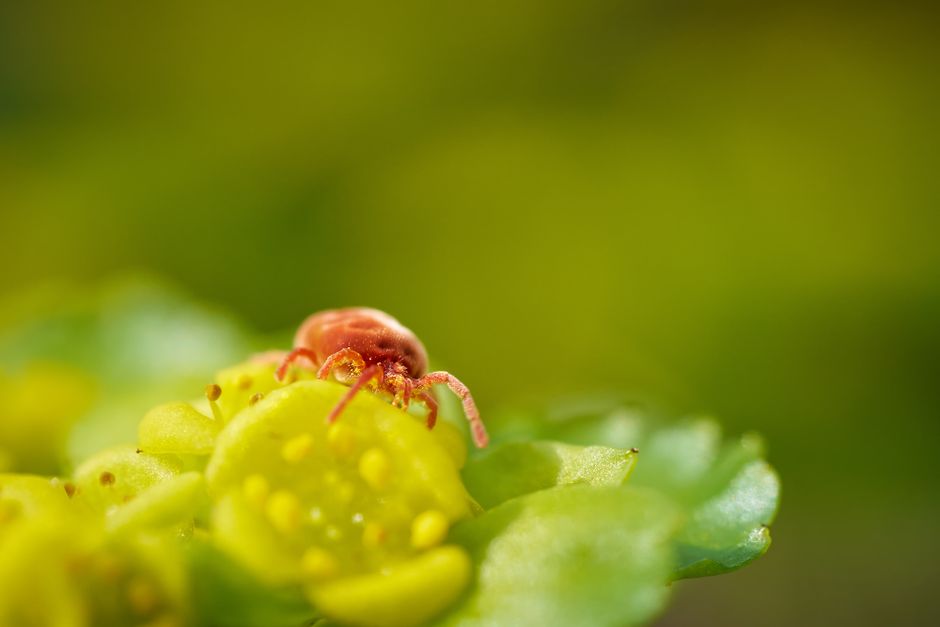
Dust mites are microscopic pests that live in the fabric of your couch, feeding on the dead skin cells you shed. You cannot see them without a microscope, but they can trigger allergies and asthma symptoms year-round. To kill dust mites on your couch for good, you need a combination of high heat, regular vacuuming, and moisture control—a single cleaning method will not be enough.
What Are Dust Mites and Why Do They Live in Your Couch?
Dust mites are tiny arachnids, related to spiders and ticks. They are not insects and they do not bite. Their food source is the flakes of dead skin that people and pets shed constantly. A couch is an ideal home because the cushions trap warmth, moisture, and skin flakes in a protected environment.
An average couch can hold millions of these creatures. The problem is not the mites themselves but their droppings and body fragments. These particles become airborne when you sit down or move the cushions, and they are a common trigger for allergic reactions and asthma flare-ups.
Dust mites thrive in environments with humidity above 50 percent. They absorb water directly from the air through their bodies, so dry conditions are fatal to them. This is why controlling humidity is a central part of any dust mite control plan.
How To Kill Dust Mites On Your Couch For Good
The most effective way to kill dust mites on upholstery is heat. Dust mites die at temperatures above 130°F (54°C). Steam cleaning your couch with a machine that reaches this temperature kills the mites on contact and removes their waste products from the fabric.
If your couch cushions have removable covers, wash them in hot water at 130°F or higher. The heat of the washing machine kills the mites, and the rinse cycle flushes them away. For cushions that cannot be removed, a handheld steam cleaner is the best tool.
Regular vacuuming is essential but not sufficient on its own. Standard vacuuming removes dust, skin flakes, and some mites, but it does not reliably kill them. Vacuuming first to remove debris, then steaming, gives the best result. After the fabric dries completely, vacuum again to pick up the dead mites and their waste.
This process must be repeated. There is no single treatment that permanently eliminates dust mites. You are removing the existing population, but new mites will recolonize unless you maintain the conditions that keep them away.
What Temperature Kills Dust Mites and Their Eggs?
Heat is the most reliable killer. Research consistently shows that sustained exposure to temperatures of 130°F (54°C) or higher kills dust mites at all life stages, including eggs. This is why washing bedding and upholstery covers in hot water is the recommended approach.
Cold can also kill dust mites, but it requires extreme conditions. Freezing at 0°F (-18°C) for at least 24 hours will kill them. This method is impractical for a couch but works for small items like throw pillows that fit in a freezer.
Chemical sprays marketed for dust mites are less reliable. Some contain acaricides that kill mites on contact, but they do not remove the allergen particles left behind. The waste products still trigger allergies even after the mites are dead. Heat plus vacuuming removes both the mites and the allergens.





Does Steam Cleaning Actually Work on Couches?
Steam cleaning works when the steam reaches the correct temperature. Most quality steam cleaners produce steam well above 212°F (100°C) at the nozzle. The key is moving slowly enough that the heat penetrates the fabric and reaches the mites living deep in the cushion foam.
Move the steam head at a slow, steady pace. Going too fast heats only the surface and leaves the deeper layers untouched. A single slow pass is more effective than several quick passes.
Steam also adds moisture to the couch. This is a double-edged sword. The moisture helps the heat kill mites, but if the couch stays damp for long, it becomes a breeding ground for mold and mildew. Allow the couch to dry completely, ideally with good air circulation or a fan directed at the cushions.
Do not steam a couch made of materials that cannot tolerate moisture. Check the manufacturer’s care label first. Leather and suede should not be steam cleaned. Some delicate fabrics may shrink or discolor with high heat.
How To Keep Dust Mites From Coming Back
Killing the existing mites is only half the battle. Keeping them away requires changing the environment they need to survive.
Humidity control is the most important long-term strategy. Keep indoor humidity below 50 percent. A dehumidifier in humid climates or seasons makes a measurable difference. A simple hygrometer, which measures humidity, costs little and tells you if your home is in the danger zone.
Vacuum your couch weekly, including the crevices and under the cushions. Use a vacuum with a HEPA filter. A HEPA filter traps the tiny allergen particles instead of blowing them back into the room. If your vacuum does not have a HEPA filter, the allergens pass through the exhaust and settle back onto the furniture.
Wash removable cushion covers every one to two weeks in hot water. This regular washing removes the skin flakes that feed the mites. No food means no mites.
Consider using dust mite proof covers on the cushions if allergies are severe. These are tightly woven fabric barriers that keep mites from entering or leaving the cushion interior. They are more commonly used on mattresses but are available for couch cushions.
Are Dust Mite Sprays and Powders Worth Using?
The market is full of sprays and powders claiming to eliminate dust mites. The evidence for their effectiveness is mixed. Some products contain benzyl benzoate or tannic acid, which have shown some ability to kill mites or neutralize allergens in studies. Others are essentially water with a pleasant scent.
No spray has been confirmed to permanently eliminate dust mites from upholstery. Even when a product kills the mites, the dead bodies and droppings remain in the fabric and continue to trigger allergies. You would still need to vacuum thoroughly after applying any spray.
If you choose to use a spray, read the label carefully. Check that it is specifically approved for use on upholstery. Some products are only intended for carpets or mattresses and may damage couch fabric. Test any spray on a small, hidden area first.
Essential oil sprays are popular on social media but have no strong clinical evidence behind them. Some studies suggest certain oils may repel mites in laboratory settings, but no large human trials have confirmed they work on real couches in real homes.
Can You Kill Dust Mites Without Chemicals?
Yes. The physical methods—heat, vacuuming, and humidity control—are the most evidence-based approach. They do not rely on chemicals and they address both the mites and the allergens they leave behind.
Direct sunlight is a free and effective tool. Ultraviolet light kills dust mites, and the heat of direct sun helps dry out the couch. Sunlight also reduces humidity in the fabric. If you can move cushions or the entire couch into direct sun for several hours, this helps significantly.
Baking soda is often recommended online as a natural dust mite killer. The evidence does not support this. Baking soda may help absorb odors and moisture, but no clinical evidence confirms it kills dust mites. It is not a substitute for heat treatment.
Diatomaceous earth is another popular suggestion. Food-grade diatomaceous earth can kill mites by drying them out, but it must be left on the fabric for days and then vacuumed thoroughly. It is messy on upholstery and the evidence for its practical effectiveness on couches is limited.
When To Consider Replacing Your Couch
Sometimes cleaning is not enough. If the couch is very old, heavily infested, or has deep foam that cannot be properly cleaned, replacement may be the practical option. This is especially true if someone in the home has severe asthma or a serious dust mite allergy that is not controlled by cleaning efforts.
Choose replacement furniture with materials that are inhospitable to dust mites. Leather, faux leather, and vinyl have smooth surfaces that do not trap skin flakes. They can be wiped clean with a damp cloth, which removes the mites’ food source entirely.
If you prefer fabric furniture, look for tightly woven fabrics. Loosely woven or textured fabrics like chenille and velvet trap more skin flakes and are harder to clean thoroughly. Washable slipcovers are a practical option because they can be removed and laundered in hot water regularly.
Frequently Asked Questions
How often should I steam clean my couch for dust mites?
Every one to three months is reasonable for most homes. Homes with allergy sufferers or high humidity may need monthly treatments.
Can dust mites live in leather couches?
Dust mites cannot easily live on smooth leather surfaces because there is no fabric to trap skin flakes. They can survive in the crevices and seams if those areas collect dust.
Does vacuuming alone get rid of dust mites?
Vacuuming removes dust, skin flakes, and some mites, but it does not reliably kill them. Vacuuming must be combined with heat treatment and humidity control for lasting results.
What humidity level kills dust mites?
Humidity below 50 percent makes the environment hostile to dust mites. Levels below 40 percent are even more effective at reducing their survival.
