
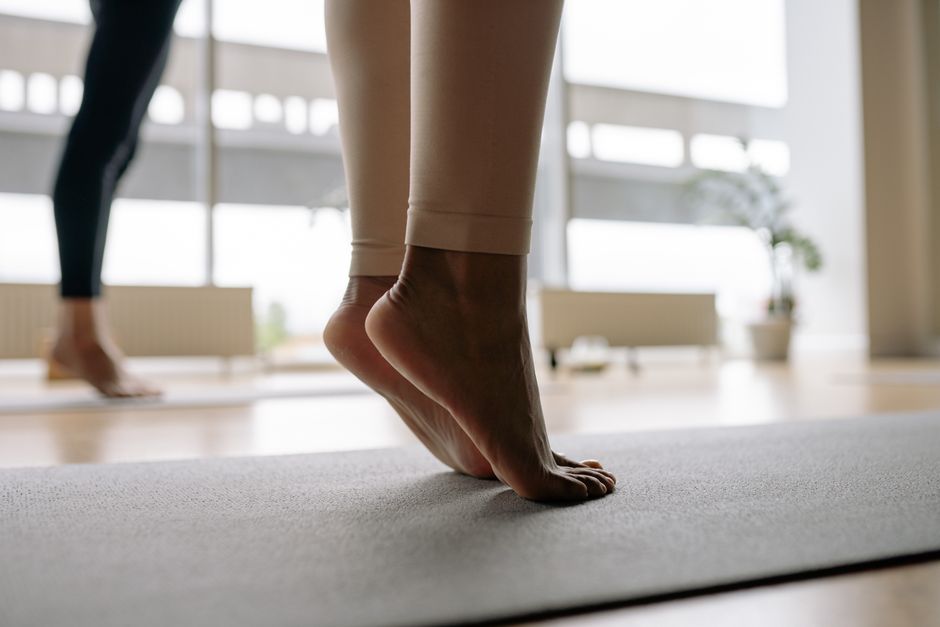
Toe curling is often a harmless reflex, but when it happens constantly or painfully, it is usually a sign of an underlying issue like nerve irritation, muscle imbalance, or a neurological condition. The key to stopping your toes from curling is identifying the specific cause—ranging from dehydration and poor footwear to conditions like dystonia or stroke—and then targeting that cause with the right treatment. For most people, simple changes like better shoes, stretching, and addressing electrolyte levels resolve the problem, while persistent cases require a medical evaluation to rule out more serious neurological disorders.
What Causes Toes to Curl Involuntarily?
Toe curling happens when the muscles that flex your toes contract without your control. This can be a brief spasm or a sustained cramp. The causes fall into a few main categories.
Nerve irritation is one of the most common reasons. The nerves that control your foot muscles run from your lower spine down through your leg. If a nerve gets compressed in your back—often due to a herniated disc or spinal stenosis—it can send abnormal signals to your foot. This can cause toes to curl or grip involuntarily.
Muscle fatigue and overuse also play a role. Wearing shoes that are too tight or spending long hours on your feet can exhaust the small muscles in your foot. When these muscles tire, they can spasm or cramp.
Electrolyte imbalances are another frequent trigger. Low levels of potassium, calcium, or magnesium can make muscles more irritable and prone to cramping. This is especially common after heavy sweating, dehydration, or certain medications like diuretics.
Some cases are neurological. Conditions like dystonia, which causes sustained muscle contractions, can affect the toes specifically. This is sometimes called “toe dystonia” or “curled toes” when it happens during walking or standing. In people who have had a stroke, spasticity can cause toes to curl tightly. This is different from a simple cramp and requires different management.
How To Keep Your Toes From Curling: Immediate Relief
When your toes start curling, you want it to stop quickly. The fastest way to interrupt a muscle spasm is to do the opposite movement.
If your toes are curling under, gently stretch them upward and outward. You can do this by hand or by pressing your toes against a firm surface. Hold the stretch for 20 to 30 seconds. This sends a signal to the muscle to relax.
For cramps caused by fatigue or dehydration, massaging the arch of your foot can help. The muscles that curl your toes attach along the bottom of your foot. Firm pressure on the arch can release the tension.
Applying warmth can also help. A warm towel or a foot soak increases blood flow and relaxes tight muscles. If the area feels swollen or inflamed, cold therapy might be more appropriate, but for a simple spasm, warmth is usually better.
If you have been sweating heavily or have not drunk enough water, rehydrating with an electrolyte drink may stop recurring cramps. This is not a cure for an underlying neurological condition, but it addresses a common and easily fixed cause.
Stretches and Exercises That Prevent Toe Curling
Regular stretching can reduce how often your toes curl. The goal is to keep the muscles flexible and balanced. Tight calf muscles often contribute to toe curling because they pull on the tendons that run into your foot.
The towel scrunch is a common exercise. Place a towel flat on the floor and use your toes to pull it toward you. This strengthens the muscles that lift your toes, which counterbalances the flexor muscles that curl them. Do this for one to two minutes daily.
The marble pick-up exercise works similarly. Place small objects like marbles on the floor and pick them up with your toes. This improves coordination and strengthens the small intrinsic muscles of the foot.
Calf stretches are equally important. Stand facing a wall with one foot behind you. Keep your back heel on the floor and lean forward until you feel a stretch in your calf. Hold for 30 seconds and repeat on each side. This reduces tension on the plantar fascia and the tendons that influence toe position.
Toe spreads are another useful exercise. Try to spread your toes apart as wide as possible and hold for five seconds. This activates the muscles that oppose toe curling and can improve foot control. If you cannot spread your toes easily, it may indicate muscle weakness that needs attention.




When Footwear Is the Problem
Your shoes can cause toe curling or make it worse. Narrow toe boxes squeeze the toes together and prevent them from lying flat. High heels shift weight forward and force the toes into a flexed position for extended periods.
To reduce toe curling, choose shoes with a wide toe box that allows your toes to spread naturally. Look for shoes with minimal heel-to-toe drop. This means the heel is not significantly higher than the toe, which keeps your foot in a more neutral position.
Flat shoes without arch support can also be problematic. If your arch collapses when you stand, the muscles in your foot have to work harder to stabilize you. This extra effort can lead to cramping and curling. Some people benefit from over-the-counter arch supports, though the evidence for specific insoles varies by individual.
If you wear shoes with laces, avoid tying them too tightly across the top of your foot. This can compress the nerves that run along the top of the foot and contribute to abnormal toe movements.
Medical Conditions That Cause Persistent Toe Curling
If your toes curl frequently and stretching does not help, a medical condition may be responsible. This is not something to ignore, especially if the curling is painful or affecting your ability to walk.
Dystonia is a movement disorder that causes involuntary muscle contractions. When it affects the foot, it can cause toes to curl, often when you try to walk or stand. The contractions may be intermittent or sustained. Dystonia is a neurological condition and typically requires evaluation by a neurologist.
Stroke-related spasticity can cause toes to curl tightly and continuously. This happens because the brain loses its normal ability to inhibit muscle activity. Treatment often involves physical therapy and sometimes medications that reduce muscle tone.
Peripheral neuropathy, often caused by diabetes, can damage the nerves in the feet. This can lead to weakness in the small foot muscles and an imbalance that causes toes to curl. Numbness, tingling, or burning in the feet often accompanies this condition.
Hammertoe is a structural deformity where the toe bends at the middle joint. This is different from a muscle spasm. Hammertoe develops over time, often due to footwear that is too tight or an imbalance in the foot muscles. The toe becomes permanently bent and may require orthotics or surgery if painful.
If you have other symptoms like weakness in your leg, difficulty walking, or loss of bladder control, seek medical attention promptly. These can be signs of serious spinal cord compression that needs urgent treatment.
When To See a Doctor About Curled Toes
Occasional toe curling after a long day or a tough workout is usually not a concern. You can manage it with stretching, hydration, and better footwear. But there are clear signs that you need a professional evaluation.
See a doctor if the toe curling is constant rather than intermittent. Persistent curling suggests a structural or neurological issue rather than a temporary cramp.
Seek care if the curling is painful or if you notice the toe is becoming permanently bent. A toe that will not straighten even when you try to push it flat may be developing a structural deformity like hammertoe.
Get evaluated if you have weakness in your foot or leg, or if you have trouble lifting your foot when you walk. This can indicate nerve compression in your spine that may require imaging studies.
If you have diabetes, pay extra attention to any changes in your feet. Nerve damage from diabetes can progress silently. Early intervention can prevent more serious complications.
A doctor can perform a neurological exam, check your reflexes, and may order nerve conduction studies or imaging if needed. Blood tests can check for electrolyte imbalances, thyroid issues, or vitamin deficiencies that might contribute to muscle problems.
Treatment Options for Persistent Toe Curling
Treatment depends entirely on the cause. There is no single remedy that works for every type of toe curling.
For nerve compression in the spine, physical therapy, anti-inflammatory medications, or in some cases surgery may be recommended. The right approach depends on where the compression is and how severe it is.
For dystonia, treatments may include oral medications that reduce muscle spasms, physical therapy, or injections that temporarily weaken the overactive muscles. These injections are a common treatment for focal dystonia and can provide relief for several months at a time.
For stroke-related spasticity, physical therapy focuses on stretching and positioning. Sometimes oral medications or injections are used to reduce muscle stiffness.
For electrolyte or vitamin deficiencies, correcting the underlying imbalance usually resolves the problem. This is one of the few cases where a dietary supplement may genuinely help, but only if you actually have a deficiency. Taking magnesium when your levels are normal will not help and may cause digestive issues.
For structural deformities like hammertoe, orthotic devices can sometimes relieve pressure. If the deformity is severe or painful, surgery may be an option. This is typically considered only after conservative measures have failed.
No clinical evidence currently confirms that any specific supplement, herbal remedy, or alternative therapy can cure persistent toe curling. Some people report benefits from acupuncture or massage, but large controlled studies have not confirmed these effects for this specific problem.
Frequently Asked Questions
Can dehydration cause my toes to curl?
Yes, dehydration can cause muscle cramps, including in the toes, often because it disrupts electrolyte balance. Rehydrating with water and electrolytes may resolve the problem if this is the cause.
Are curled toes a sign of a serious neurological problem?
They can be, but most cases are harmless and related to muscle fatigue or footwear. Persistent, painful, or progressive curling with weakness warrants a medical evaluation to rule out conditions like dystonia or nerve compression.
What is the fastest way to stop a toe cramp?
Gently stretch the toe in the opposite direction of the curl and hold for 20 to 30 seconds. Massaging the arch of the foot and applying warmth can also help relax the muscle.
Can tight shoes permanently curl my toes?
Yes, chronic pressure from tight shoes can contribute to structural deformities like hammertoe over time. Wearing shoes with a wide toe box can prevent this type of permanent change.
