
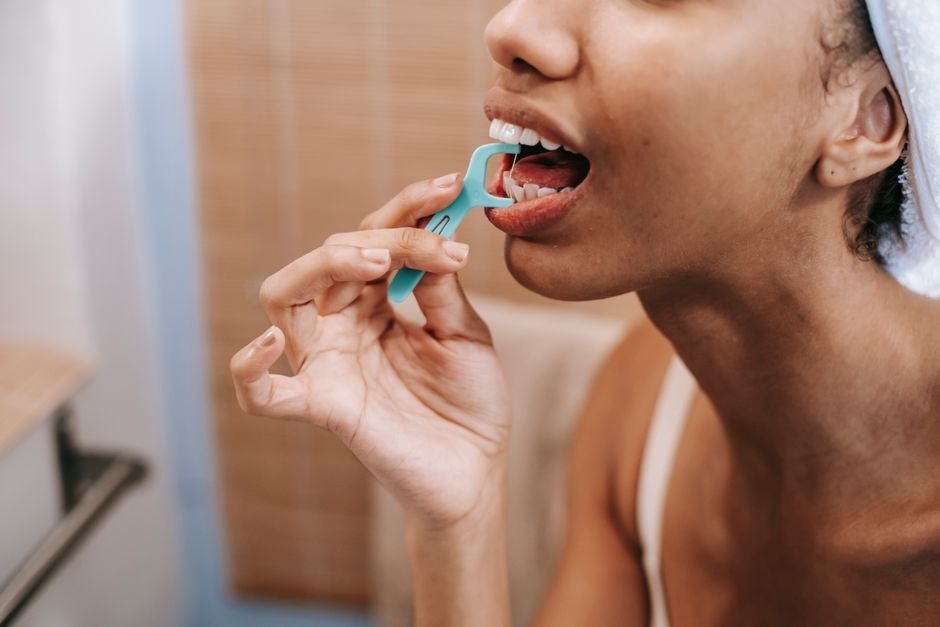
Most of the work of keeping your teeth healthy happens in the roughly 180 days between dental visits. Brushing twice a day with fluoride toothpaste, cleaning between your teeth once a day, and limiting how often sugar hits your teeth are the three habits that carry most of the weight. Professional cleanings remove what those habits miss, but they cannot undo six months of skipped flossing.
The goal is not a perfect routine. It is a consistent one that removes plaque before it hardens into tartar and keeps the bacteria that cause cavities and gum disease from settling in.
How To Keep Your Teeth Clean Between Cleanings
Plaque is a soft, sticky film of bacteria that forms on teeth within hours of brushing. It is removable with a toothbrush and floss. Tartar, also called calculus, is plaque that has mineralized and bonded to the tooth surface. Once that happens, no toothbrush or floss can take it off. Only a dental professional can.
That distinction explains the whole strategy. Your daily job is to disrupt plaque before it hardens. The timeline is not instant — plaque generally takes somewhere between 24 and 72 hours to begin mineralizing — but it does not wait for a convenient moment. This is why missing one day of cleaning between teeth is less of a problem than consistently missing the same spot.
Three habits do most of the work:
- Brush twice a day with a fluoride toothpaste, for about two minutes each time.
- Clean between your teeth once a day — floss, interdental brushes, or a water flosser, whichever you will actually use.
- Limit how often your teeth are exposed to sugar and acid, not just how much.
Everything else — mouthwash, tongue scraping, special toothpastes — is secondary. Useful in the right situation, but not a substitute for those three.
Why Does Flossing Matter If You Brush Every Day?
A toothbrush reaches the front, back, and chewing surfaces of your teeth. It does not reach the sides where teeth touch each other. Those contact points are where food debris and bacteria collect, and where a large share of cavities and gum problems begin.
Flossing or using interdental brushes cleans those surfaces. The evidence for flossing is often described as weaker than people expect, and that is partly true — the studies are short and the quality varies. But the biological reasoning is solid, and clinical dental guidance consistently recommends cleaning between the teeth once a day. The American Dental Association has long held this position.
What matters more than the tool is the technique and the consistency:
- String floss works well for teeth that are close together. Curve it into a C shape around each tooth and slide it gently under the gumline.
- Interdental brushes are small bottle-brush tools that fit between teeth. For people with wider gaps or gum recession, they often clean more effectively than floss.
- Water flossers use a pulsed stream of water. They help remove debris and are easier for people with braces, bridges, or limited dexterity, but the evidence that they prevent gum disease as well as string floss is limited.
A common mistake is snapping floss in and out between teeth. That can irritate gums without cleaning much. Slow, gentle, and thorough beats fast and forceful.
Does Brushing Technique Really Matter?
Yes, and more than most people realize. Two minutes of correct brushing does more than five minutes of scrubbing the same spots.
Use a soft-bristled brush. Hold it at a 45-degree angle toward the gumline and use short, gentle back-and-forth strokes. Cover every surface — outer, inner, and chewing. Don’t forget the back of your last molars, which is one of the most commonly missed areas.
Two things are worth flagging. First, brushing harder does not clean better. It wears down enamel and can cause gum recession over time. Second, brushing immediately after acidic food or drink — citrus, soda, wine — can damage softened enamel. Waiting about 30 minutes gives saliva time to neutralize the acid. This is widely taught in dentistry, though the underlying research on timing is not extensive.
Electric toothbrushes with oscillating-rotating heads have reasonable evidence behind them for reducing plaque and gum inflammation compared with manual brushes. They are not essential, but for people who struggle with technique or dexterity, they can help.


What Actually Causes Cavities Between Visits?
Cavities form when bacteria in plaque ferment sugar and produce acid. That acid dissolves minerals in enamel. Saliva normally repairs this by redepositing minerals — a process called remineralization. Cavities happen when acid attacks outpace repair.
This is why frequency matters so much. Sipping a sugary drink over two hours exposes teeth to repeated acid attacks. Drinking it in ten minutes limits the damage. The total amount of sugar matters, but how often teeth are exposed matters more than many people assume.
Fluoride helps by making enamel more resistant to acid and by supporting remineralization. That is why fluoride toothpaste is the standard recommendation from dental and health authorities worldwide. Brushing with fluoride toothpaste twice a day is the single most reliable cavity-prevention habit most people have access to.
Dry mouth is an underrecognized risk factor. Saliva is your natural defense against acid, and when it drops — from medications, aging, or certain medical conditions — cavity risk rises. If your mouth feels persistently dry, that is worth raising with a dentist or doctor.
Which Habits Help and Which Are Marketing Noise?
Some products earn their place. Others are sold on plausible-sounding claims that no study has confirmed.
| Habit or product | What the evidence supports |
|---|---|
| Fluoride toothpaste, twice daily | Strong evidence for cavity prevention |
| Daily interdental cleaning (floss or brushes) | Recommended by dental authorities; reduces plaque between teeth |
| Fluoride mouthwash | Some evidence of added benefit, especially for higher cavity risk |
| Alcohol-free mouthwash | Helps with breath and some bacteria; not a substitute for brushing or flossing |
| Charcoal toothpaste | No good evidence for whitening; some products lack fluoride and may be abrasive |
| Oil pulling | No clinical evidence it prevents cavities or gum disease |
| Tongue scraping | May help with breath; limited effect on cavities |
Charcoal toothpaste is worth a specific note. Many versions contain no fluoride, and the abrasive particles can wear enamel over time. Some people use it for whitening. The evidence for that is thin, and the trade-off is real.
Oil pulling — swishing coconut or sesame oil in the mouth — has been promoted widely online. No well-controlled human trials have shown it prevents cavities or gum disease. It is not harmful, but it should not replace proven habits.
When Should You See a Dentist Sooner Than Your Next Cleaning?
Regular checkups catch problems early. But some signs should not wait six months.
- Gums that bleed when you brush or floss, especially if it persists beyond a few days
- Persistent bad breath that does not improve with brushing
- Loose teeth or gums that have visibly pulled away from the tooth
- Sensitivity to hot or cold that lasts after the stimulus is gone
- A visible hole, chip, or dark spot on a tooth
- Pain when biting down
Bleeding gums are often the earliest sign of gum inflammation, called gingivitis. In its early stage, it is usually reversible with better daily cleaning. If it continues despite good habits, it may signal periodontitis, which involves loss of the bone supporting the teeth and needs professional treatment. The distinction matters — gingivitis and periodontitis are not the same condition, and only a dentist can tell them apart.
Some people need cleanings more often than every six months. A history of gum disease, smoking, diabetes, or a weakened immune system can all raise risk. Your dentist’s recommended interval should reflect your actual situation, not a default schedule.
Frequently Asked Questions
Is it better to floss before or after brushing?
Either order works. Some evidence suggests flossing first may allow fluoride from toothpaste to reach between teeth more effectively, but the difference is small. What matters most is doing it once a day.
Can I skip flossing if I use a water flosser?
A water flosser removes debris and can help with gum health, but evidence that it matches string floss for plaque removal between tight teeth is limited. If your teeth are close together, string floss or interdental brushes generally clean more thoroughly.
How often should I replace my toothbrush?
Every three to four months, or sooner if the bristles are visibly frayed. Worn bristles clean less effectively and can be rough on gums.
Does mouthwash replace brushing or flossing?
No. Mouthwash can add fluoride or help with breath, but it does not remove plaque the way brushing and interdental cleaning do. It is an add-on, not a substitute.
