
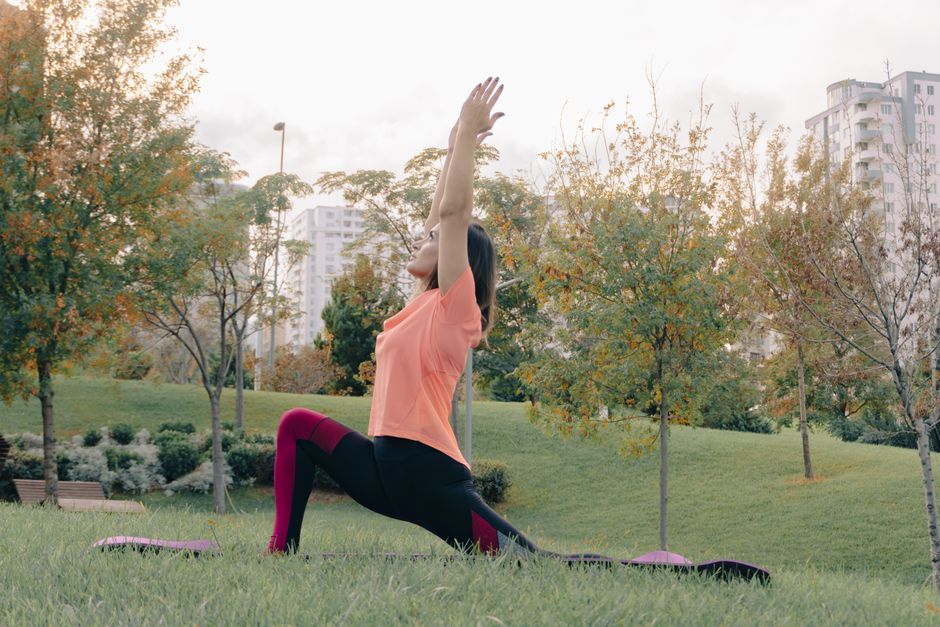
Your lungs have no way to clean themselves of tobacco smoke, fine dust, or chemical fumes the way your liver breaks down toxins. That simple fact shapes almost everything that protects them. Keeping your lungs healthy means avoiding what damages them, staying physically active, and following through on recommended vaccinations and checkups. Breathing strong is mostly a byproduct of those choices, not a separate skill you practice.
How To Keep Your Lungs Healthy And Breathing Strong?
The single most effective step is not smoking, and if you do smoke, quitting. Lung function naturally declines with age, but smoking accelerates that decline sharply. The good news is that quitting at any age slows the loss and reduces risk of lung disease over time.
Beyond tobacco, the core habits are straightforward. Stay active, because exercise keeps the muscles of breathing conditioned and helps your lungs move air efficiently. Avoid breathing in smoke, fumes, and fine particles, whether from secondhand smoke, wood stoves, or workplace dust. Get the vaccines your clinician recommends, since respiratory infections can cause real damage, especially in older adults. And pay attention to persistent symptoms like a cough that won’t quit or shortness of breath, because early lung disease often has no obvious warning signs.
None of this is exotic. There is no supplement, tea, or breathing gadget that has been shown to undo lung damage or meaningfully boost lung capacity in healthy people. The evidence for those products is thin to absent. What works is unglamorous and well established.
Why Does Not Smoking Matter More Than Everything Else?
Cigarette smoke contains thousands of chemicals, and dozens are known carcinogens. It inflames the airways, destroys the tiny air sacs where oxygen enters your blood, and paralyzes the cilia, the hair-like structures that sweep debris out of your lungs. That last effect is why smokers get chronic coughs. The cleaning system stalls, and mucus and particles build up.
The damage from smoking is cumulative. It builds with every pack-year, which is a measure of how much and how long someone has smoked. This is also why quitting helps at any point. Someone who stops smoking in their forties avoids much of the risk they would have faced by continuing, though some elevated risk remains compared with people who never smoked.
Secondhand smoke matters too. There is no safe level of exposure, according to public health authorities. If you live with a smoker, the most protective step is a smoke-free home. Opening a window or running a fan does not remove the risk.
Vaping deserves an honest note. E-cigarettes do not produce tar and generally expose users to fewer toxic chemicals than combustible cigarettes. For adults trying to quit smoking, some clinicians and public health bodies view them as a less harmful alternative. But “less harmful than cigarettes” is not the same as “safe.” The long-term health effects of vaping are not yet known, because these products have not been in wide use long enough to study outcomes over decades. For people who have never smoked, starting to vape introduces risk with no clear benefit.
Can Exercise Really Improve How Your Lungs Work?
Exercise does not enlarge your lungs or add new air sacs. What it does is train the muscles that do the work of breathing, mainly the diaphragm and the muscles between the ribs. It also improves how efficiently your heart and circulation deliver oxygen. The result is that everyday activity feels easier and you can do more before getting winded.
Aerobic activity is the mainstay. Anything that raises your heart rate and makes you breathe harder counts. Walking briskly, swimming, cycling, and dancing all qualify. Aim for regular activity most days of the week, building up gradually if you are starting from a low base. People with existing lung conditions often benefit from supervised programs, sometimes called pulmonary rehabilitation, which combine exercise with breathing training and education. These programs are well established for conditions like COPD and have been shown to improve quality of life and reduce breathlessness.
One clarification worth knowing: breathing exercises and devices marketed to “increase lung capacity” in healthy people have little supporting evidence for that specific claim. Breathing training can help people with certain conditions manage breathlessness, and some clinicians recommend pursed-lip breathing for people with COPD. But for a healthy adult, the lungs are already near full capacity, and no exercise routine adds meaningful volume.
What In Your Environment Actually Harms Your Lungs?
Air quality is not just an outdoor issue. Indoor air can carry pollutants that matter for lung health, and many people spend most of their time indoors.
- Tobacco smoke from cigarettes, cigars, and pipes, including secondhand exposure.
- Radon, an odorless radioactive gas that can seep into homes from the ground. It is a leading cause of lung cancer, and testing your home is the only way to know your exposure.
- Fine particles from wood-burning stoves, fireplaces, and outdoor air pollution.
- Chemical fumes from cleaning products, paints, and solvents, especially in poorly ventilated spaces.
- Workplace exposures such as asbestos, silica dust, and certain industrial chemicals.
Practical steps help. Test your home for radon. Ventilate when cooking, painting, or using strong cleaners. Follow instructions on product labels about protective equipment. If your job involves dust or fumes, use the protective equipment your employer provides and know that regulations exist to limit exposure.
Outdoor air pollution is harder to control personally, but you can check local air quality on days when pollution is high and limit strenuous outdoor activity then, particularly if you have a lung condition.
Which Vaccines Protect Your Lungs?
Respiratory infections can cause serious harm, especially in older adults and people with existing lung disease. Vaccination is one of the more reliable ways to reduce that risk.
Recommendations change over time, so the specifics are best confirmed with your clinician or pharmacist. In general, adults are commonly advised to stay current on vaccines that protect against influenza, COVID-19, and pneumococcal disease, the bacteria that can cause pneumonia. Some adults are also advised to get vaccinated against pertussis, often bundled with the tetanus shot. People with chronic lung conditions may have additional recommendations.
The reason this matters for lungs is direct. A severe respiratory infection can leave lasting damage and can be especially dangerous for someone whose lung function is already reduced. Preventing the infection is far easier than treating it.
When Should You See a Doctor About Your Breathing?
Pay attention to symptoms that persist. A cough that lasts more than a few weeks, shortness of breath during activity that used to feel easy, wheezing, or coughing up blood all warrant a conversation with a clinician. So does chest tightness or a feeling that you cannot get a full breath.
Lung disease often develops quietly. Conditions like COPD and some forms of lung cancer can progress before symptoms become obvious. That is why people with significant smoking history are sometimes offered screening. Lung cancer screening with low-dose CT is recommended for certain adults based on age and smoking history, and the exact criteria are best discussed with a clinician, since guidance is updated periodically.
If you have a family history of lung disease, a known workplace exposure, or a chronic condition like asthma, regular checkups help catch changes early. Spirometry, a simple breathing test, measures how much air you can move and how fast, and it can detect problems before they feel severe.
Do Breathing Exercises and Supplements Actually Help?
Most breathing gadgets and “lung cleanse” supplements have no solid evidence behind them. The lungs do not need cleansing products. They have their own clearance system, and the most protective step is to stop overwhelming it with smoke and particles.
Breathing exercises have a real but limited role. For people with conditions like COPD or asthma, techniques such as pursed-lip breathing and diaphragmatic breathing can help manage breathlessness and are often taught in pulmonary rehabilitation. For healthy adults, there is little evidence that these exercises improve lung function. They may help you relax and feel more in control of your breathing, which has value, but that is a different claim.
As for supplements marketed for lung health, no clinical evidence currently confirms that any of them repair lung damage or boost lung capacity. Some, like high-dose beta-carotene supplements, have actually been associated with increased lung cancer risk in smokers in older trials. That is a reminder that “natural” does not mean harmless.
Frequently Asked Questions
Can you strengthen your lungs?
You cannot add air sacs or enlarge healthy lungs, but regular aerobic exercise conditions the muscles of breathing and improves how efficiently your body uses oxygen. This makes activity feel easier and improves stamina.
Does quitting smoking really help if you have smoked for years?
Yes. Quitting at any age slows the decline in lung function and lowers the risk of lung disease over time, though some elevated risk remains compared with people who never smoked. The earlier you quit, the more you avoid.
What are the early signs of lung problems?
A cough that lasts more than a few weeks, shortness of breath with activity, and wheezing are common early signs. Many lung conditions develop slowly, so persistent symptoms deserve a conversation with a clinician.
Are breathing exercises worth doing?
For people with conditions like COPD or asthma, certain breathing techniques can help manage breathlessness and are often taught in rehabilitation programs. For healthy adults, the evidence that they improve lung function is limited.
