
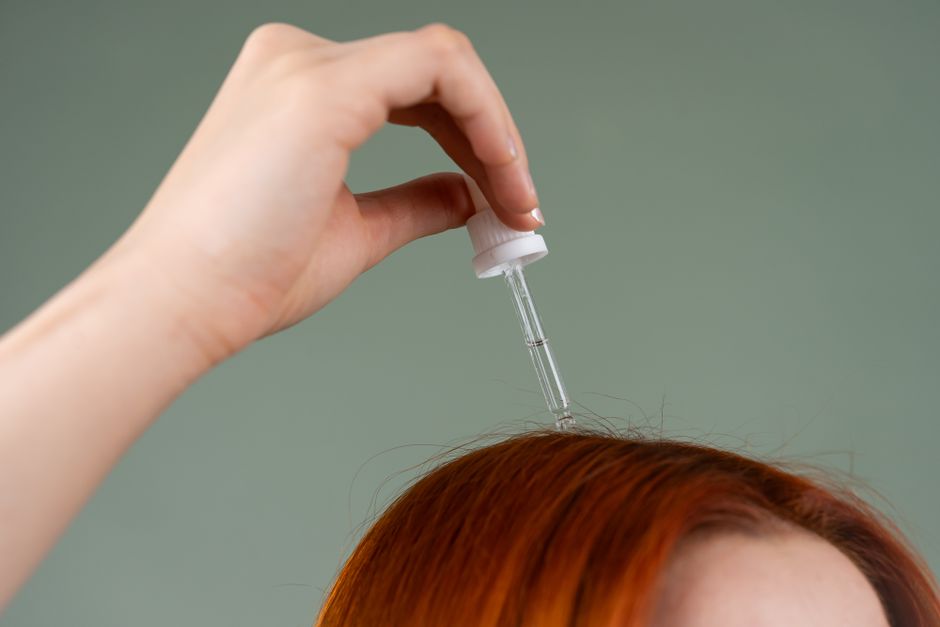
Type 4 hair stays moisturized for multiple days when water is sealed in with a leave-in conditioner and an oil or butter, and when washing is limited to once every one to two weeks. The single most important step is applying product to hair that is still damp, because water is the only real moisturizer. Everything else — oils, butters, creams — works by slowing water loss, not by adding moisture on its own.
Type 4 hair is the tightest curl pattern, with coils and zigzags that make it harder for natural oils from the scalp to travel down the hair shaft. That is why it tends to feel dry. It is not a defect. It is an anatomy issue, and it responds well to a consistent routine.
Why Does Type 4 Hair Dry Out So Quickly?
The shape of the curl is the main reason. Type 4 hair bends back on itself repeatedly, and those tight bends create natural gaps in the cuticle layer — the outer protective shell of each strand. Moisture escapes through those gaps faster than it does in straighter hair.
Sebum, the oil your scalp produces, has a hard time moving down a tightly coiled strand. In straight hair, oil can travel from root to tip with relative ease. In type 4 hair, it often never makes it past the first few inches. The result is a scalp that may be oily while the ends feel like straw.
Porosity matters too. Porosity describes how easily hair absorbs and releases water. High-porosity hair takes in moisture quickly and loses it just as fast. Low-porosity hair resists water but holds onto it once it gets in. Most people have a mix along the length of their hair, and porosity can change over time with heat damage, chemical processing, or age.
You can get a rough sense of your porosity with a simple test. Drop a clean shed strand into a glass of water. If it sinks quickly, it is likely high porosity. If it floats for a long time, it is likely low porosity. This test is not precise and some hair professionals question its reliability, but it can give you a starting point.
What Is the Correct Order for Layering Products?
The order matters more than the number of products. The standard approach is water first, then a water-based leave-in, then an oil or butter to seal. This is often called the liquid-oil-cream method, though the sequence can also be done as liquid-cream-oil depending on your hair’s needs.
Here is what each layer does:
- Water — the actual moisturizer. Without it, nothing else works.
- Leave-in conditioner — adds water-based hydration and some slip for detangling.
- Oil — slows water loss by coating the strand. It does not add water.
- Butter or heavy cream — provides a thicker seal and helps with hold and definition.
A common mistake is applying oil or butter to dry hair and expecting it to moisturize. It cannot. Oil and water do not mix. Applying oil to dry hair traps dryness in rather than letting moisture in. If your hair feels dry and you add more oil, you may just be sealing in the problem.
For high-porosity hair, the cream or butter layer tends to help most because it fills gaps in the cuticle. For low-porosity hair, heavy butters can sit on top and cause buildup. Low-porosity hair often does better with lighter oils and more frequent, smaller amounts of water-based product.
How Often Should You Wash Type 4 Hair?
Washing once every one to two weeks is a common routine for type 4 hair. Some people wash weekly, others stretch to two or three weeks. There is no single correct schedule. The right frequency depends on your scalp, your activity level, and how much product you use.
Washing too often strips natural oils and can leave hair drier. Washing too rarely leads to product buildup, which blocks moisture from getting in at all. Buildup is a real problem that often gets misread as dryness. If your hair feels coated and stiff rather than soft and dry, you may need a clarifying wash rather than more moisturizer.
Always use a sulfate-free or gentle cleanser if you are washing frequently. A clarifying shampoo every four to six weeks can remove buildup from butters, oils, and leave-in products. Follow every wash with a deep conditioner, especially if your hair is high porosity or has been color-treated or heat-styled.
Co-washing — cleansing with conditioner instead of shampoo — is popular in the type 4 community. It can work well for some people, but it does not clean the scalp as thoroughly as shampoo. Some dermatologists caution that co-washing alone can lead to scalp buildup and irritation over time. A reasonable approach is to co-wash between full washes rather than replacing shampoo entirely.
Which Ingredients Actually Help Type 4 Hair Hold Moisture?
Humectants, emollients, and occlusives do three different jobs. Knowing which is which helps you build a routine that works.
Humectants attract water from the air or from deeper layers of the hair. Common ones include glycerin, honey, aloe vera, and panthenol. They work best in moderate humidity. In very dry air, some humectants can pull water out of the hair instead of into it, though this effect is debated and not well studied in real-world conditions.
Emollients soften and smooth the surface of the hair. Examples include plant oils, fatty alcohols like cetyl and stearyl alcohol, and some silicones. They improve how hair feels and reduce friction, which helps prevent breakage.
Occlusives form a film that slows water loss. Shea butter, cocoa butter, castor oil, and petrolatum are common occlusives. They are the heaviest layer and work best as the final step.
Protein treatments are a separate category. Hydrolyzed proteins can temporarily fill gaps in damaged hair and make it feel stronger. But protein is not moisture, and too much protein can make hair stiff and brittle. If your hair feels straw-like after a protein treatment, you likely need moisture, not more protein. Signs of protein overload include hair that snaps rather than stretches.
How Do You Make Moisture Last Multiple Days?
The key to multi-day moisture is protecting what you have already put in. Once hair is moisturized and styled, the goal is to keep water from escaping overnight and during the day.
At night, cover your hair with a satin or silk bonnet, scarf, or pillowcase. Cotton pulls moisture out of hair and creates friction that leads to breakage. Satin and silk do neither. This single habit makes a measurable difference in how long moisture lasts.
Consider the pineapple method — gathering hair loosely at the top of your head with a soft scrunchie or satin scarf. It reduces flattening and keeps ends protected while you sleep.
For refreshing in the morning, do not reapply heavy products daily. That leads to buildup. Instead, spritz with water or a water-based refresher spray, then add a small amount of leave-in or oil to the ends only. Focus on the ends, not the roots. The roots get oil from your scalp; the ends do not.
Deep conditioning once a week or every other week helps maintain moisture levels over time. Heat caps or steam can help the conditioner penetrate, though the evidence on how much heat improves absorption is limited. It is widely used in practice and generally considered helpful, but rigorous studies are scarce.
Protective styles — braids, twists, buns — can help retain moisture by limiting manipulation and exposing fewer ends to the air. Keep them loose enough to avoid tension on the scalp. Tight styles can lead to traction alopecia, a form of hair loss that can become permanent if the tension continues.
What Mistakes Keep Type 4 Hair Dry?
Several common habits work against moisture retention.
- Applying oil to dry hair and expecting it to moisturize
- Washing too often with harsh sulfates
- Using too much product and creating buildup
- Skipping deep conditioning
- Sleeping on cotton pillowcases without protection
- Detangling dry hair without slip, which causes breakage
- Overusing protein treatments
- Styling with tight braids or ponytails that stress the scalp
One often-overlooked issue is hard water. Minerals like calcium and magnesium in hard water can leave deposits on hair that make it feel rough and interfere with product absorption. If your hair suddenly seems less responsive to products you have used for years, water quality may be a factor. A shower filter or a final rinse with distilled water may help, though evidence on how much shower filters change hair outcomes is limited.
Scalp health also matters. If your scalp is itchy, flaky, or inflamed, that can affect hair growth and overall hair condition. Persistent scalp issues should be evaluated by a dermatologist rather than treated with more products.
Does Diet Affect Hair Moisture?
Hair is built from protein, and severe nutritional deficiencies can affect hair strength and appearance. But for most people eating a normal diet, no food or supplement will make type 4 hair moisturized. Moisture is a surface issue, not a nutritional one.
That said, extreme calorie restriction, very low-protein diets, and certain medical conditions can affect hair. If you notice sudden changes in hair texture, shedding, or breakage, it is worth talking to a doctor. Sudden hair changes are more often related to health, medication, or hormonal shifts than to your hair routine.
No supplement has strong evidence for improving hair moisture. Some studies suggest certain nutrients may support hair growth in people who are deficient, but that is different from making hair moisturized.
Frequently Asked Questions
How often should I moisturize type 4 hair?
Most people need to add water and a leave-in every two to three days, with a full wash-and-condition routine every one to two weeks. If your hair feels dry sooner, you may need a heavier sealant or a deep conditioning treatment.
Can I moisturize type 4 hair without washing it?
Yes. You can spritz with water and add a small amount of leave-in or oil to refresh between washes. Avoid layering heavy products daily, as this causes buildup that blocks moisture.
Is oil alone enough to moisturize type 4 hair?
No. Oil slows water loss but does not add moisture. You need water first, then a sealant like oil or butter to hold it in.
Why does my hair feel dry even after moisturizing?
Common causes include product buildup, protein overload, hard water, or applying products to dry hair instead of damp hair. A clarifying wash followed by a deep conditioner often helps.
