
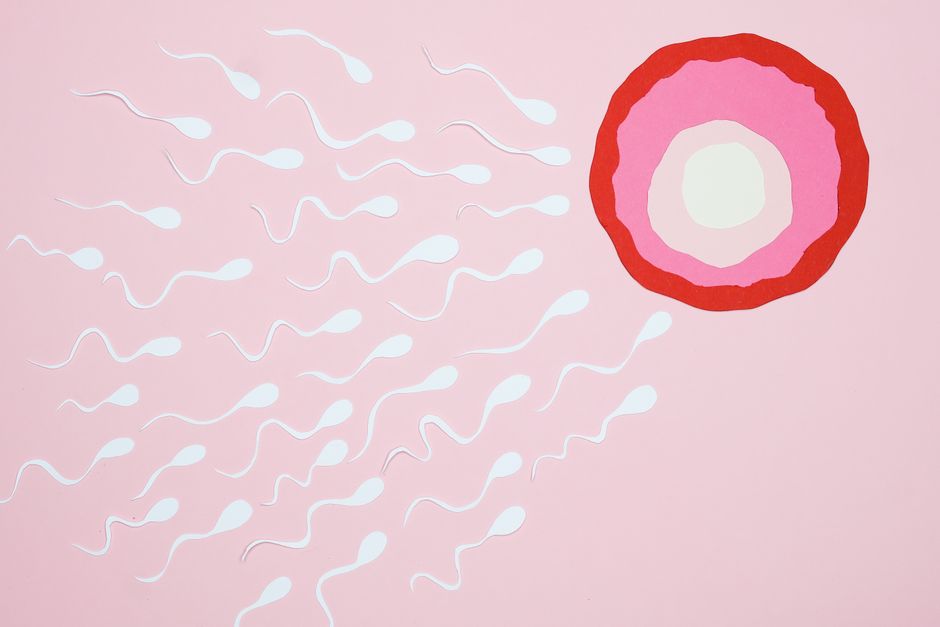
Keeping sperm alive comes down to temperature, moisture, and time. Sperm survive longest at body temperature or slightly below, in a moist environment, and they die quickly when they dry out, heat up, or sit in water. At home, that means avoiding hot tubs, laptops on the lap, and prolonged heat exposure. In a lab, it means controlled collection, specific transport conditions, and cryopreservation for long-term storage.
Most fertility questions about sperm are really questions about time and conditions. How long does sperm live outside the body? What kills it? What does a lab actually do differently? The answers are more specific than most online advice suggests.
How Long Does Sperm Live Outside The Body?
Once sperm leave the body, their lifespan depends almost entirely on where they land. In a warm, moist environment like the reproductive tract, sperm can survive for several days. In the open air, on a dry surface, or in water, they die within minutes to hours.
The reason is osmotic stress. Sperm cells are surrounded by a membrane that needs a fluid environment with the right salt balance. When that environment dries out or becomes too diluted, the cells break down. This is well-established cell biology, not speculation.
Inside the female reproductive tract, the picture changes. Cervical mucus provides a supportive, nutrient-rich environment. Research has found that sperm can remain viable in cervical mucus for up to five days, which is why the fertile window extends beyond the day of ovulation. This is one of the reasons timing intercourse every one to two days during the fertile window is more effective than trying to pinpoint a single day.
Outside the body, the numbers drop sharply. On a dry surface at room temperature, sperm typically lose viability within minutes as the sample dries. In a collection cup at room temperature, viability declines over one to two hours. In water — whether a bath, hot tub, or swimming pool — sperm are quickly immobilized and killed by dilution and temperature, though the risk of pregnancy from water exposure is essentially zero.
What Temperature Kills Sperm?
Heat is one of the most reliable ways to damage sperm. The testes sit outside the body cavity specifically because sperm production works best at about 2 to 4 degrees Celsius below core body temperature. When that balance is disrupted, sperm quality suffers.
The mechanism is well understood. The testicles contain a countercurrent heat-exchange system in the blood vessels and muscles that adjust position to regulate temperature. When scrotal temperature rises above the normal range, sperm production and sperm DNA integrity can be affected. The effect is not instant death but a gradual decline in quality that can take weeks to recover from.
What does this mean practically? Prolonged exposure to hot water — hot tubs, long hot baths, saunas — can raise scrotal temperature enough to affect sperm production. Some studies suggest that frequent hot tub use is associated with reduced sperm counts and that the effect reverses after stopping. The evidence here is reasonably consistent but not large-scale.
Laptops on the lap are a common concern. Studies have measured scrotal temperature increases from laptop use, and some have found associated changes in sperm quality. Whether this translates into a meaningful fertility effect in real-world use is not established. The safer framing: if you are trying to conceive and use a laptop on your lap for long periods, placing it on a desk is a low-cost change.
Fever is a different matter. A significant illness with high fever can temporarily suppress sperm production. Because sperm take roughly 70 to 90 days to mature, the effect on a semen sample may not show up until two to three months later. This is a well-documented pattern, not a reason for alarm — counts typically recover.
How To Keep Sperm Alive At Home And In The Lab
The conditions that protect sperm at home are the same ones a lab controls precisely. Temperature, moisture, time, and contamination are the four variables that matter most.
At home, the practical steps are straightforward:
- Keep the scrotum cool. Avoid prolonged hot tubs, saunas, and long hot baths, especially during fertility treatment.
- Avoid tight underwear and prolonged sitting if you notice heat discomfort. Loose-fitting underwear is a reasonable choice, though the evidence that it improves fertility outcomes is limited.
- Do not store a semen sample at room temperature for longer than about an hour if it is being collected for testing. Check with the lab for its specific instructions, since requirements vary.
- Keep samples away from direct sunlight, heat sources, and water. Do not expose a collection cup to extreme cold either, which can also damage cells.
- If collecting at home for a lab test, follow the lab’s instructions exactly. Most labs specify delivery within a certain time window and keeping the sample close to body temperature during transport.
In the lab, the process is more controlled. A semen sample is typically collected in a sterile cup, either at the clinic or at home with a specified transport time. The lab then assesses volume, concentration, motility, and morphology. For analysis, the sample is usually kept at room temperature or warmed to 37 degrees Celsius depending on the test, and processed within a set timeframe.
For long-term storage, sperm are cryopreserved. The sample is mixed with a protective solution, cooled slowly, and stored in liquid nitrogen at approximately minus 196 degrees Celsius. At that temperature, cellular activity essentially stops, and sperm can remain viable for decades. This is established practice in fertility medicine, not experimental.




What Kills Sperm Fastest?
Water, soap, heat, and drying are the fastest ways to kill sperm. Each works through a different mechanism, and each is worth understanding if you are trying to conceive or avoid pregnancy.
Water kills sperm quickly through dilution and osmotic shock. In a bath or hot tub, sperm are exposed to a large volume of water with a different salt concentration than body fluids. The cells swell and rupture. In a swimming pool, chlorine adds further damage. The practical takeaway: water-based activities are not a reliable contraception method, but the risk of pregnancy from sperm in water is negligible because the sperm are already dead or immobile by the time any exposure would occur.
Soap and lubricants are a separate issue. Many personal lubricants are hostile to sperm. Some are spermicidal by design; others simply reduce motility. If you are trying to conceive, water-based lubricants without spermicidal ingredients are generally considered less harmful, though even “sperm-friendly” products can affect motility. The evidence here is limited and product-specific.
Heat kills sperm more slowly but more thoroughly. Prolonged exposure to temperatures above normal scrotal range impairs production rather than instantly killing mature sperm. This is why the effect on a semen analysis may not appear until weeks later.
Drying is the simplest killer. Once a sample dries on a surface, the sperm are dead. This is why collection cups are kept closed and why lab protocols emphasize prompt processing.
Does Masturbation Or Frequency Affect Sperm Quality?
Ejaculation frequency affects sperm count per sample but not overall fertility in a straightforward way. More frequent ejaculation lowers the number of sperm in each sample. Less frequent ejaculation increases count but can reduce motility and DNA quality if the interval is too long.
For fertility testing, labs usually ask for two to five days of abstinence before a semen analysis. This is a standard recommendation, not a universal rule, and some labs use different windows. The point is consistency: the same abstinence period before each test makes results comparable.
For couples trying to conceive, daily or every-other-day intercourse during the fertile window is generally recommended. There is no evidence that masturbation itself harms fertility. The idea that frequent ejaculation “depletes” sperm in a harmful way is not supported. The body produces sperm continuously, and the count in a single sample reflects recent ejaculation, not overall capacity.
What Does A Lab Actually Do With A Sperm Sample?
A lab evaluates a semen sample against established reference ranges and then either processes it for testing, prepares it for fertility treatment, or freezes it for storage. Each step has specific handling requirements.
The World Health Organization publishes reference values for semen analysis. These include minimum thresholds for volume, sperm concentration, total sperm number, motility, and morphology. A result below a threshold does not automatically mean infertility — it means the sample falls outside the range seen in a reference population. Many men with values below a threshold still conceive.
For fertility treatment, labs may perform sperm washing, which separates sperm from seminal fluid and debris. This is used in intrauterine insemination and in vitro fertilization. The washed sperm are concentrated and prepared for the procedure. This is standard clinical practice.
For cryopreservation, the sample is mixed with a cryoprotectant, cooled in a controlled way, and stored in liquid nitrogen. When needed, it is thawed and assessed for viability. Not all sperm survive freezing and thawing, and post-thaw quality varies. This is why some men bank multiple samples before treatments that may affect fertility, such as chemotherapy.
Frequently Asked Questions
How long does sperm live on a surface?
Sperm typically die within minutes once a surface dries. In a moist, warm environment, they can survive longer, but on a dry surface at room temperature, viability drops quickly.
Can hot tubs cause infertility?
Frequent hot tub use can raise scrotal temperature and has been associated with reduced sperm counts in some studies. The effect appears to reverse after stopping, but the evidence is not strong enough to say it causes permanent infertility.
Does water kill sperm instantly?
Water kills sperm quickly through dilution and osmotic shock, usually within minutes. Chlorinated water and hot water speed the process further.
How long can sperm be stored frozen?
Sperm stored in liquid nitrogen at approximately minus 196 degrees Celsius can remain viable for decades. This is established practice in fertility medicine, though individual sample quality after thawing varies.
