
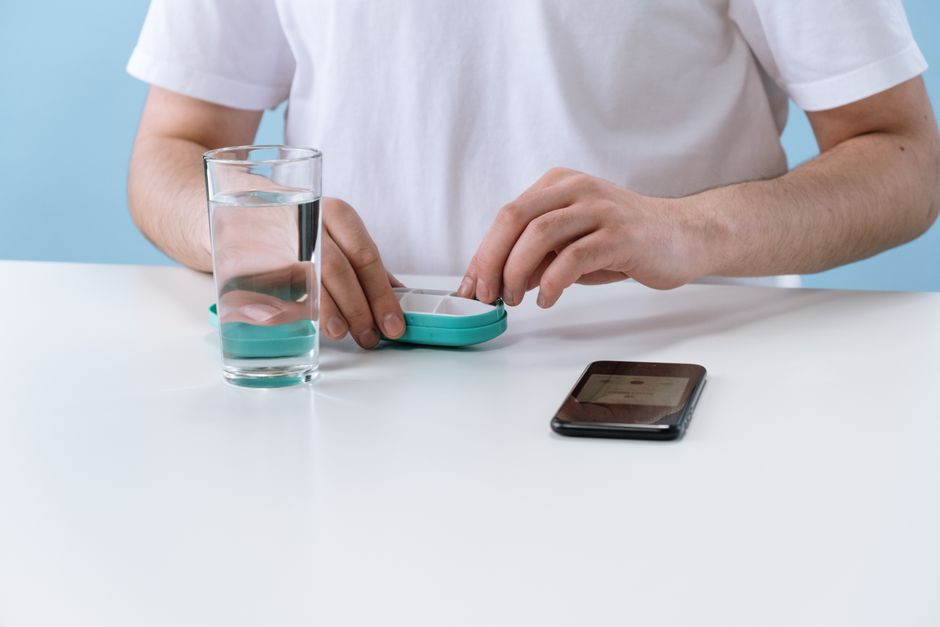
Where you store your medication matters more than most people realize. Heat, moisture, and light can break down the active ingredients in pills, which means a drug that worked last month might not work the way it should today.
To keep pills fresh, store them in a cool, dry place — ideally at room temperature between 68°F and 77°F (20°C to 25°C). Keep them in their original container with the lid tightly closed. Move them away from bathrooms, kitchens, and windows, and never leave them in a car. These simple steps protect both the strength and the safety of your medicine.
Why Does Heat Break Down Medications?
Most pills are chemical compounds, and chemical compounds react to their environment. Heat speeds up those reactions.
When a medication gets warm, its ingredients can degrade faster than they would at room temperature. The drug may lose potency. It can also change in ways that affect how your body absorbs it. In some cases, heat causes pills to crumble, stick together, or change color — visible signs that something has gone wrong.
Liquid medications are especially vulnerable. Heat can cause them to separate or evaporate, concentrating the active ingredient in ways that make dosing unpredictable. Suppositories and creams can melt or change texture. Insulin, which is a protein, is particularly sensitive to temperature and needs refrigeration in most cases.
This is not a minor concern. The U.S. Pharmacopeia, an independent scientific organization that sets quality standards for medicines, has documented that storage conditions directly affect drug stability. A medication stored improperly may not deliver the dose your doctor intended.
How Does Moisture Damage Pills?
Water is one of the most common causes of medication breakdown. Even small amounts of humidity can cause problems.
Many pills are coated or formulated to release their contents at a specific rate. Moisture can dissolve that coating prematurely or cause the tablet to absorb water and swell. Some drugs react chemically with water through a process called hydrolysis, which breaks the active ingredient into different compounds. Those compounds may be less effective — or in rare cases, harmful.
Effervescent tablets, powders, and capsules are especially sensitive. So are any medications packaged in blister packs, which are designed to keep moisture out until you push the pill through.
The bathroom medicine cabinet is the worst place for most medications. Showers and baths create constant humidity. Every time you run hot water, steam fills the air and condenses on surfaces — including pill bottles that are not perfectly sealed. Over weeks and months, that repeated exposure adds up.
Where Should You Actually Store Medication?
The best storage spot is a cool, dry, dark place that stays at a consistent temperature. A bedroom closet, a dresser drawer away from windows, or a dedicated cabinet in a hallway often works well.
Here is what to avoid:
- Bathrooms — humidity from showers and sinks
- Kitchens — heat from stoves, ovens, and dishwashers
- Windowsills — direct sunlight and temperature swings
- Cars — temperatures can exceed 120°F in summer and drop below freezing in winter
- Refrigerators — unless the label specifically says to refrigerate
- Freezers — almost never appropriate for medications
Some medications do require refrigeration. Insulin, certain liquid antibiotics, and some injectable drugs fall into this category. But refrigeration is not a universal safety measure. Cold can damage medications just as heat can. Always check the label or ask your pharmacist.
Keep medications in their original containers. Those containers are designed to protect the drug from light and moisture. They also carry the prescription label with dosing instructions and expiration dates. Transferring pills to a weekly organizer is convenient, but for long-term storage, the original bottle is safer.





Does the Cotton Ball in the Bottle Matter?
Yes — and most people get this wrong.
That little cotton plug you find in a new bottle of pills is there to cushion the tablets during shipping and to absorb moisture before the bottle is opened. Once you open the bottle and start using the medication, the cotton can actually work against you.
Cotton pulls moisture from the air every time you open the lid. It then holds that moisture right next to your pills. For most medications, the recommended practice is to remove the cotton after you open the bottle for the first time.
The same applies to desiccant packets — those small silica gel packets sometimes included in vitamin or supplement bottles. If the manufacturer included one, leave it in. It is there to absorb moisture. But if you transfer pills to a different container, do not carry the desiccant over unless the new container is airtight.
What About Light Exposure?
Sunlight and artificial light can degrade certain medications. This is called photodegradation.
Drugs most affected by light include some antibiotics, certain heart medications, and some vitamins. That is why many medications come in amber or opaque bottles. The dark glass or plastic filters out ultraviolet light that would otherwise break down the active ingredient.
If your medication comes in a clear container, keep it inside a cabinet or drawer rather than on an open shelf. If you use a pill organizer, choose one that is opaque rather than clear, especially if you will be carrying it in a bag or purse where it might be exposed to light throughout the day.
How Long Do Pills Stay Good?
Every medication has an expiration date, but that date means something specific. It is the last day the manufacturer can guarantee the drug’s full potency and safety, based on stability testing under recommended storage conditions.
That last part matters. Expiration dates assume the medication has been stored properly. A pill that sat in a hot car for a week may degrade faster than its expiration date suggests. A bottle kept in a cool, dark closet may remain stable well past the date on the label.
The U.S. Food and Drug Administration has studied extended stability for certain medications, particularly those stockpiled for emergencies. Some drugs remained stable for years beyond their labeled expiration date when stored correctly. But this does not apply to all medications, and it does not mean you should ignore expiration dates.
Liquid medications, insulin, and drugs that require refrigeration should generally be discarded after their expiration date. For most other medications, if the expiration date has passed and you are unsure, the safest choice is to replace them.
| Storage Factor | Ideal Condition | Risk If Ignored |
|---|---|---|
| Temperature | 68°F to 77°F (20°C to 25°C) | Loss of potency, physical changes |
| Humidity | Low, dry environment | Breakdown of coating, hydrolysis |
| Light | Dark or opaque container | Photodegradation of active ingredients |
| Container | Original, tightly sealed | Moisture and light exposure |
Can You Store Pills in a Pill Organizer Long-Term?
Pill organizers are useful for tracking doses, but they are not designed for long-term storage.
Most weekly organizers are not airtight. They expose pills to air and moisture every time you open them. If you fill a week’s worth of medications at once, that is generally fine for most drugs. But filling a month ahead in a pill organizer is not recommended.
If you do use a pill organizer, keep it in a cool, dry place — not on the kitchen counter next to the sink. And do not mix different medications in the same compartment unless your pharmacist has confirmed it is safe. Some drugs interact with each other when stored in direct contact.
What Are the Signs That Pills Have Gone Bad?
Not all degradation is visible. But some changes you can see or smell.
- Pills that are cracked, chipped, or crumbling
- Tablets that have become sticky or fused together
- Discoloration that was not there before
- A new or unusual odor
- Capsules that are soft, deformed, or leaking
- Liquids that have separated, changed color, or developed particles
If you notice any of these signs, do not take the medication. Contact your pharmacist for guidance. Do not flush medications down the toilet unless the label or a pharmacist specifically instructs you to. Many communities have drug take-back programs for safe disposal.
Does Packaging Make a Difference?
Yes. Manufacturers choose packaging based on how sensitive a drug is to its environment.
Blister packs — the push-through packaging used for many pills — provide a strong barrier against moisture and light. Bottles with induction seals and child-resistant caps offer good protection when closed properly. Some drugs come in foil pouches or tubes designed to block specific threats.
When you remove pills from their original packaging, you remove that protection. This is why pharmacists generally recommend keeping medications in the container they came in until you are ready to take them.
Frequently Asked Questions
Can I store pills in the bathroom?
No. Bathrooms have high humidity from showers and sinks, which can degrade medications over time. A bedroom closet or dresser drawer is a better choice.
Should I remove the cotton from a new pill bottle?
Yes, for most medications. Once the bottle is opened, the cotton can absorb moisture from the air and hold it against the pills. Remove it after opening.
Do pills really expire?
Yes. Expiration dates reflect the last day the manufacturer guarantees full potency and safety under proper storage conditions. Some drugs remain stable longer, but this varies and should not be assumed.
Can I put pills in the freezer to make them last longer?
No, unless the label specifically says to freeze them. Freezing can damage most medications and change how they work in your body.
