
Onions stay fresh longest when they have air, darkness, and low humidity. Store whole, unpeeled onions in a cool, dry, well-ventilated spot away from potatoes and direct sunlight. A pantry, cellar, or a mesh bag hanging in a cupboard works well. Once you cut an onion, the rules change completely—cut onions belong in the refrigerator in a sealed container and should be used within a few days.
Why Do Onions Spoil So Quickly?
Onions are living bulbs. They continue to respire after harvest, which means they take in oxygen and release moisture and heat. That moisture is the main enemy of storage onions. When moisture gets trapped around the skin, mold and soft rot take hold quickly.
Temperature also drives spoilage. Warmth speeds up respiration and sprouting. Cold temperatures below freezing damage the cell structure and turn the onion mushy. The ideal storage environment sits between these extremes—roughly 45°F to 55°F (7°C to 13°C) for most cooking onions.
Light is another factor. Exposure to light triggers the onion to think it is spring. That signal encourages sprouting, which turns the onion bitter and soft. Darkness tells the bulb to stay dormant.
How To Keep Onions Fresh: The Right Storage Spot
The best place for whole onions is somewhere dark, dry, and ventilated. A pantry shelf is fine if it is not near the stove or oven. A basement or cellar is often ideal because temperatures stay naturally cool and stable.
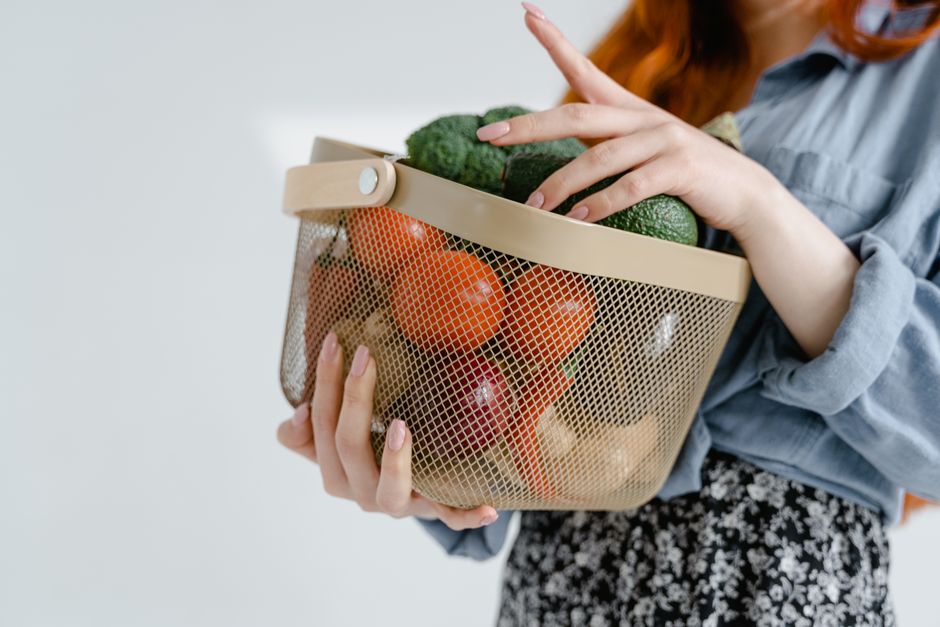
Avoid storing onions in plastic bags. Plastic traps the moisture the onions release, creating a humid microclimate that accelerates rot. Instead, use a mesh bag, a paper bag with holes punched in it, or a wire basket. These allow air to circulate around each bulb.
Do not store onions in the refrigerator if they are whole and uncut. The refrigerator is too humid for whole onions. The moisture softens their texture and promotes mold growth, even though the cold slows sprouting. The one exception is sweet onions, which have higher water content and spoil faster at room temperature. Sweet onions can go in the fridge crisper drawer for a few weeks, but they still need airflow.
Keep Onions Away From Potatoes
Potatoes and onions are often stored together, but they should not be. Potatoes release moisture and carbon dioxide as they respire. Onions absorb that moisture and spoil faster. Onions also release ethylene gas, a natural plant hormone that speeds up ripening. That gas causes potatoes to sprout earlier than they would on their own.
Keep them in separate bins, separate shelves, or at least separate bags. Distance matters more than people realize. If you have limited space, put the potatoes in a paper bag and the onions in a mesh bag on opposite sides of the pantry.





How Long Do Onions Last With Proper Storage?
Storage onions—the standard yellow, red, and white onions sold in most grocery stores—last 2 to 3 months when stored properly. These onions are cured after harvest, which means their outer skins are dried to protect the flesh inside.
Sweet onions like Vidalia or Walla Walla have a shorter shelf life because they contain more water and less sulfur. They typically last 2 to 4 weeks even under good conditions. That shorter lifespan is the tradeoff for their mild, sweet flavor.
Check your stored onions every week or two. Remove any that show soft spots, mold, or sprouting. One spoiled onion can release moisture and ethylene that accelerates spoilage in the rest of the batch.
How To Store Cut Onions Safely
Once an onion is cut, it is no longer a storage item—it is a perishable food. Cut onions should go in the refrigerator within two hours of being sliced, according to standard food safety guidance. Leaving them on the counter invites bacterial growth.
Place cut onions in an airtight container or a resealable plastic bag. Press out as much air as possible before sealing. Stored this way, cut onions last 7 to 10 days in the refrigerator. Their flavor will intensify over time, which can be a benefit or a drawback depending on how you cook.
Do not store cut onions in water. Some people do this to mellow the flavor, but the water creates a breeding ground for bacteria. If you want to mellow raw onion flavor, soak the slices in cold water for 10 to 15 minutes right before using them, then drain and pat dry.
Freezing is an option for cut onions, but it changes their texture. Frozen onions become soft and release water when thawed. They work fine in cooked dishes like soups, stews, and sauces, but they will not work as a crunchy raw topping. Chop them before freezing, spread them on a baking sheet to freeze individually, then transfer to a freezer bag. Frozen chopped onions keep for 3 to 6 months.
Does A Cut Onion Absorb Bacteria Or Toxins?
No. This is a persistent myth with no scientific support. A cut onion does not absorb bacteria from the air, nor does it attract or neutralize toxins. The idea that onions left out overnight become poisonous is folklore, not food science.
What is true is that cut onions are perishable. They can grow bacteria on their surface just like any other cut vegetable. That is why refrigeration matters. But the onion itself does not somehow become toxic or “poisonous” from sitting out. The risk is ordinary food spoilage, not some special onion-specific danger.
If you have a cut onion that sat at room temperature for more than two hours, the safest choice is to throw it out. That guidance applies to all cut produce, not just onions.
Why Do Onions Make You Cry, And Does It Affect Storage?
Onions release a compound called syn-propanethial-S-oxide when their cells are damaged. That gas drifts up to your eyes and reacts with the moisture there to form a mild sulfuric acid, which triggers the burning sensation and tears. This has nothing to do with storage—it happens at the cutting board, not in the pantry.
Some people believe that refrigerating onions before cutting reduces tearing. Chilling the onion slows the chemical reaction slightly, which can help a little. But refrigerating whole onions for long-term storage is still not recommended because the humidity damages them.
If you want to reduce tearing, chill the onion in the freezer for 10 to 15 minutes before cutting, use a very sharp knife to minimize cell damage, or cut near a running fan or vent to blow the gas away.
Can You Store Onions With Other Produce?
Onions release ethylene gas, which accelerates ripening in nearby fruits and vegetables. This is useful if you want to ripen a tomato faster, but it is harmful for most stored produce.
Keep onions away from apples, pears, and berries, which are sensitive to ethylene and will spoil faster. Keep them away from leafy greens and mushrooms, which absorb odors and moisture. The safest approach is to give onions their own dedicated storage space with good airflow.
Garlic is the one exception worth noting. Garlic has similar storage needs to onions—cool, dark, dry, and ventilated. You can store them near each other, but keep them in separate containers so air circulates around each bulb.
Frequently Asked Questions
Should onions be stored in the refrigerator?
Whole onions should not go in the refrigerator because the humidity causes mold and soft rot. Cut onions should be refrigerated in an airtight container and used within 7 to 10 days.
How long do onions last at room temperature?
Standard storage onions last 2 to 3 months in a cool, dark, ventilated spot. Sweet onions last only 2 to 4 weeks because they contain more water.
Can you store onions and potatoes together?
No. Potatoes release moisture that spoils onions, and onions release ethylene gas that makes potatoes sprout faster. Keep them in separate bins or shelves.
How do you know when an onion has gone bad?
Throw out an onion if it has soft spots, mold, a sour smell, or visible sprouts. A sprouted onion is not toxic, but it will taste bitter and have a softer texture.
