
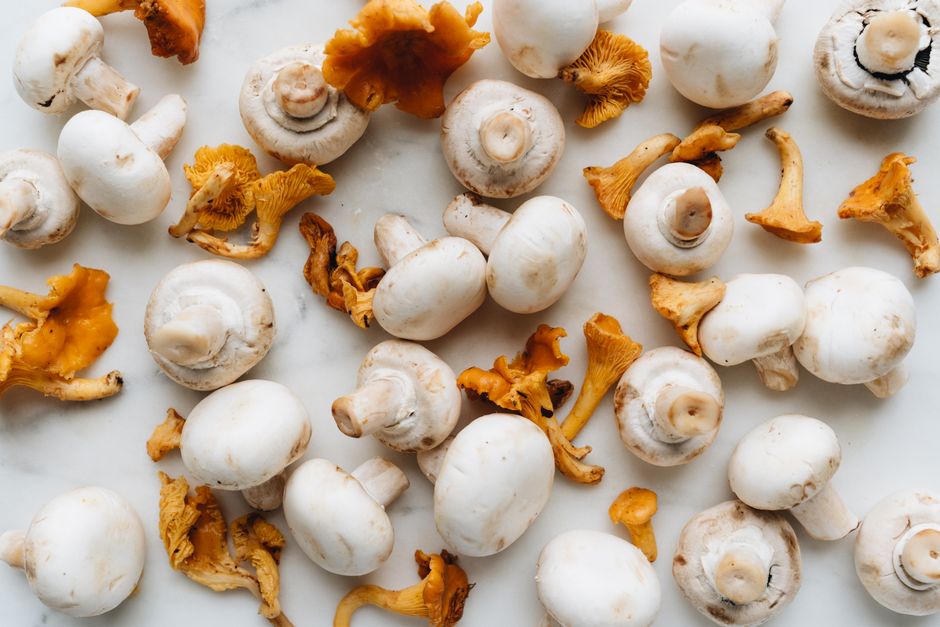
Mushrooms stay fresh without a fridge for a short time if you keep them dry, cool, and ventilated. The best approach is a paper bag, a cool dark spot, and daily inspection. Most fresh mushrooms will hold for one to three days this way before they start to soften or grow mold. The single biggest factor is moisture. Mushrooms are about 90 percent water, and trapped dampness speeds spoilage faster than room temperature does.
This guide covers what actually works, what makes mushrooms spoil faster, and when to stop eating them.
Why Do Mushrooms Spoil So Quickly?
Mushrooms are living tissue that keeps respiring after harvest. They take in oxygen and release carbon dioxide and water vapor. In a sealed container, that moisture has nowhere to go. It collects on the surface and creates the exact conditions mold needs.
They also brown and soften through enzyme activity and oxidation. This happens faster at warm temperatures. Refrigeration slows it. Without a fridge, you are managing a race between moisture loss (which makes them dry and rubbery) and moisture buildup (which makes them slimy and moldy).
The goal is balance. You want airflow that carries moisture away without drying the mushrooms out completely. That is why a paper bag works better than plastic. Paper breathes. Plastic traps.
What Is the Best Way To Keep Mushrooms Fresh Without a Fridge?
A paper bag in the coolest, darkest spot you have is the most reliable method. It lets moisture escape while keeping the mushrooms from drying out too fast.
Here is how to do it:
- Do not wash them. Brush off loose dirt with a dry paper towel or soft brush.
- Leave them whole if possible. Cut surfaces lose moisture and spoil faster.
- Place them in a plain brown paper bag. Do not seal it tightly. Fold the top loosely.
- Put the bag in the coolest spot in your home. A basement, a low cupboard away from the stove, or a shaded pantry works well.
- Check them once a day. Remove any that look wet or soft.
If you have no paper bag, a clean cotton cloth or a breathable produce bag can work. The principle is the same: airflow without full exposure to dry air.
One non-obvious point. The crisper drawer in a fridge is designed to manage humidity. Without a fridge, you are trying to recreate that balance at room temperature. That is hard to do for long. Paper is the closest simple tool most people already have.
How Long Do Mushrooms Last Without Refrigeration?
Most fresh mushrooms last about one to three days at room temperature when stored properly. Some varieties hold a little longer. Others fade faster.
Several things affect the timeline:
- Variety. Firmer mushrooms like shiitake and oyster tend to hold up better than delicate ones like enoki.
- Freshness at purchase. Mushrooms bought already a few days old will decline faster.
- Room temperature. A cool room extends life. A warm kitchen shortens it.
- Moisture. Any surface water cuts the timeline significantly.
These are general ranges, not guarantees. Watch the mushrooms rather than the calendar. The moment they feel slimy or smell off, the clock has run out.
What Makes Mushrooms Spoil Faster?
Moisture is the main enemy, and several common habits add it. Washing mushrooms under a tap and then leaving them out is one of the worst things you can do. The water sits in the gills and crevices and does not evaporate quickly.
Other spoilage accelerators:
- Sealed plastic bags or containers. These trap humidity and create a mold-friendly environment.
- Direct sunlight or heat. Warmth speeds up respiration and enzyme activity.
- Piling them in a deep bowl. Mushrooms at the bottom get crushed and stay damp.
- Storing near strong-smelling foods. Mushrooms absorb odors easily.
- Cutting or slicing early. Exposed flesh loses moisture and browns faster.
If your mushrooms came in a plastic-wrapped package, take them out of it. That wrap is designed for transport, not storage.
Can You Dry Mushrooms To Preserve Them Without a Fridge?
Yes. Drying is one of the oldest and most effective ways to preserve mushrooms without refrigeration. Removing the water content stops the spoilage process almost entirely.
You can dry mushrooms in several ways:
- Air drying. Slice thin and lay on a rack in a warm, dry, well-ventilated space. This works best in low-humidity climates.
- Oven drying. Use the lowest setting with the door slightly open for airflow. This is the most controlled home method.
- Food dehydrator. The most consistent option if you have one.
Dried mushrooms keep for months in an airtight container away from light and heat. Rehydrate them in warm water before cooking. The soaking liquid is flavorful and can be used in soups and sauces.
One caution. Home drying must be thorough. Any remaining moisture can allow mold to grow during storage. Properly dried mushrooms should be brittle, not leathery.
How Do You Know When Mushrooms Have Gone Bad?
Fresh mushrooms should be firm, dry to the touch, and smell mild and earthy. When they turn, the signs are usually clear.
Signs mushrooms should be discarded:
- Slimy or sticky surface. This is a strong sign of bacterial growth.
- Sour or fishy smell. Fresh mushrooms do not smell like this.
- Visible mold. Fuzzy patches in any color mean the batch is compromised.
- Dark, mushy spots. Softening that spreads is a sign of decay.
- Wrinkled, shriveled caps with a dry texture. These are past their prime, though not always unsafe.
When in doubt, throw them out. Mold on soft foods like mushrooms can spread unseen threads below the surface. Unlike hard cheese, you cannot simply cut away the visible part and keep the rest. This is standard food safety guidance, and it matters more for mushrooms because of their high water content.
Do Different Mushroom Types Store Differently?
Yes, and it helps to know what you are working with. Button and cremini mushrooms are fairly sturdy and handle short room-temperature storage well. Shiitake are firm and dry-tolerant. Oyster mushrooms are more delicate and spoil faster.
Wild mushrooms deserve extra caution. They can carry insects, dirt, and natural molds that speed spoilage. They are also harder to assess for safety. If you are not experienced with a particular wild variety, do not rely on room-temperature storage to extend its life. Use it soon or preserve it properly.
For any variety, the core rules stay the same: keep them dry, keep them cool, keep them breathing.
When Should You Just Refrigerate or Freeze Instead?
If you have a fridge, use it. Room-temperature storage is a short-term workaround, not a long-term solution. Refrigeration slows spoilage significantly and is the standard recommendation for fresh mushrooms.
For longer storage, freezing works but changes the texture. Raw mushrooms do not freeze well because of their water content. They turn mushy on thawing. Cooking them first, then freezing, gives better results for use in soups, sauces, and stews.
No clinical guidelines address home mushroom storage specifically. The advice here rests on general food safety principles and the known biology of how fresh produce spoils. It is practical guidance, not a regulated standard.
Frequently Asked Questions
How long can mushrooms last without a fridge?
Most fresh mushrooms last about one to three days at room temperature when kept dry and ventilated. Delicate varieties may spoil sooner.
Can you store mushrooms in a plastic bag without a fridge?
No, plastic bags trap moisture and speed up spoilage. A paper bag or breathable cloth is a better choice.
Should you wash mushrooms before storing them?
No, washing adds surface moisture that encourages mold and sliminess. Brush off dirt with a dry paper towel and wash only right before cooking.
Are slimy mushrooms safe to eat?
No, slime is a sign of bacterial growth and the mushrooms should be discarded. Mold on soft foods like mushrooms can spread below the surface, so cutting away the visible part is not safe.
