
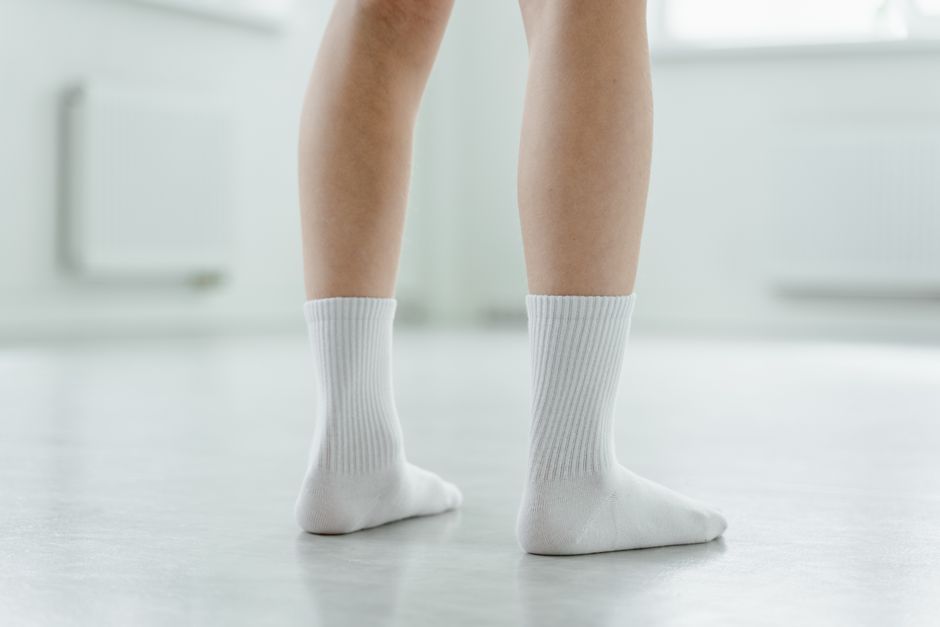
Keeping your feet dry comes down to managing sweat at the source, choosing the right socks, and picking shoes that let moisture escape. The most effective approach combines moisture-wicking socks, breathable footwear, and a consistent foot-care routine. Sweaty feet are a common problem, but the right strategy can make a real difference in comfort and skin health.
Why Do My Feet Sweat So Much?
Your feet contain more sweat glands per square inch than almost any other part of your body. Each foot has about 250,000 sweat glands. That density means your feet can produce a significant amount of moisture, especially when enclosed in shoes.
Sweat itself is odorless. The smell comes from bacteria on your skin breaking down the sweat. When your feet stay damp, bacteria multiply faster. This is why keeping feet dry is not just about comfort — it directly reduces foot odor and lowers the risk of skin infections like athlete’s foot.
Some people naturally sweat more than others. This condition is called plantar hyperhidrosis when excessive sweating is localized to the feet. It affects a small percentage of the population and can be managed with stronger treatments. For most people, however, routine measures are enough to control moisture.
What Kind of Socks Keep Feet Driest?
Not all socks are created equal. The material matters more than the brand or the thickness. Cotton is the most common sock material, but it is also one of the worst for keeping feet dry. Cotton absorbs moisture and holds it against your skin. Once cotton gets wet, it stays wet.
Look for socks made from synthetic fibers instead. Materials like polyester, nylon, and acrylic are designed to wick moisture away from the skin. They pull sweat to the outer surface of the sock, where it can evaporate. Merino wool is another excellent option. It wicks moisture, resists odor naturally, and works well in both warm and cold weather.
When shopping for socks, check the label for these moisture-wicking materials. Avoid socks labeled as 100% cotton if you struggle with sweaty feet. Some athletic socks blend synthetic fibers with a small amount of cotton for comfort, which can be a reasonable compromise.
Sock thickness also matters. Thick socks trap more heat, which can increase sweating. Thin or medium-weight socks allow better airflow. For very sweaty feet, some brands make socks with special moisture-control technology, but the basic principle remains the same: synthetic or wool fibers beat cotton for keeping feet dry.
How To Keep Feet Dry Socks Shoes And Sweat Control
Controlling foot sweat requires attacking the problem from multiple angles at once. No single product or habit solves it completely. The most effective routine combines sock choice, shoe rotation, and daily foot care.
Start with your socks. Change them at least once a day. If your feet sweat heavily, carry an extra pair and change them midday. Wearing the same damp socks all day creates the perfect environment for bacteria and fungus to grow.
Your shoes need attention too. Never wear the same pair two days in a row. Shoes need at least 24 hours to dry out fully between wears. Rotating between two or three pairs of shoes gives each pair time to air out. This simple habit dramatically reduces moisture buildup and odor.
Shoe material matters. Leather and canvas allow more airflow than synthetic materials like vinyl or plastic. Breathable mesh athletic shoes are excellent for ventilation. Avoid waterproof boots for everyday wear if sweaty feet are a problem — they trap moisture inside.
For sweat control at the source, antiperspirants work on feet just as they work on underarms. Aluminum chloride is the active ingredient that blocks sweat ducts. You can apply a regular antiperspirant to your feet at night. Some people find clinical-strength formulas more effective. This is a common approach, though it works better for some people than others.
Foot powder can help absorb moisture during the day. Powders containing talc or cornstarch keep feet feeling drier. Medicated powders with antifungal ingredients add protection against athlete’s foot. Apply powder in the morning before putting on socks.
What Shoes Are Best for Sweaty Feet?
The best shoes for sweaty feet are ones that breathe. Look for shoes with mesh uppers, perforations, or other ventilation features. These allow air to circulate around your foot, which helps sweat evaporate instead of pooling inside the shoe.
Leather shoes are a good choice for work or dress settings. Genuine leather is porous and allows some moisture to escape. Synthetic leather, on the other hand, does not breathe well. If you wear dress shoes, check whether they are made from real leather or synthetic material.
Sandals and open-toed shoes are the most breathable option of all. When the weather allows, wearing sandals gives your feet maximum airflow. This is not always practical, but even occasional sandal wear helps your feet recover from enclosed shoes.
Shoe insoles can be swapped out. Removable insoles allow you to wash or replace them when they become saturated with sweat. Some insoles are made with moisture-wicking materials or activated charcoal to control odor. Replacing insoles every few months keeps your shoes fresher.
Daily Foot Care Routine for Dry Feet
Wash your feet every day with soap and water. Pay attention to the spaces between your toes, where moisture and bacteria collect. Dry your feet thoroughly after washing — do not just pat them. Use a towel to dry completely, especially between the toes.
Applying antiperspirant at night is more effective than applying it in the morning. Your sweat glands are less active while you sleep, which allows the active ingredient to absorb better. Wash it off in the morning if it causes irritation. Some people find that applying antiperspirant every other night is enough.
If you develop cracked skin or peeling between your toes, this could be athlete’s foot. Over-the-counter antifungal creams treat this condition effectively. See a doctor if the infection does not clear up with treatment or if it spreads. Keeping feet dry is the best prevention, but it does not guarantee you will never get a fungal infection.
When Home Remedies Are Not Enough
For most people, the routine described above controls foot sweat effectively. But some people have excessive sweating that does not respond to these measures. If your feet sweat so much that it interferes with daily life, or if you develop frequent skin infections, talk to a doctor.
Prescription-strength antiperspirants contain higher concentrations of aluminum chloride. These are applied at night and can be very effective. A doctor can prescribe these when over-the-counter options fail.
Iontophoresis is a medical treatment that uses a mild electrical current passed through water to reduce sweating. It is effective for many people with hyperhidrosis. The treatment requires multiple sessions and ongoing maintenance. It is performed at a doctor’s office or with a home device prescribed by a physician.
Botulinum toxin injections, commonly known as Botox, can temporarily block the nerves that trigger sweat glands. This treatment is approved for severe underarm sweating and is sometimes used off-label for feet. The effects last several months. It is not a first-line treatment due to cost and the need for repeat injections.
Oral medications that reduce sweating exist but come with side effects like dry mouth and blurred vision. These are reserved for severe cases. Surgery to remove sweat glands is a last resort and is rarely recommended.
Do Home Remedies Like Vinegar or Tea Soaks Work?
Some people soak their feet in black tea, vinegar, or Epsom salt solutions to reduce sweating. The evidence for these remedies is largely anecdotal. No large clinical trials have confirmed that they reduce sweat production. They may temporarily change the skin’s environment and reduce odor, but they do not stop sweat at the source.
If you try a foot soak, keep it brief and dry your feet completely afterward. Soaking for too long can soften the skin and make it more vulnerable to cracking. These soaks are not harmful, but do not expect them to replace the basics of sock choice, shoe rotation, and antiperspirant use.
Some sources recommend applying rubbing alcohol to the feet to dry them. This can irritate and dry out the skin, especially with repeated use. It is not a recommended long-term strategy. Stick with products designed for foot care rather than household items.
Frequently Asked Questions
How often should I change my socks if my feet sweat a lot?
Change your socks at least once daily, and more often if your feet feel damp. Carrying an extra pair for a midday change is the most practical solution for heavy sweaters.
Do antiperspirants really work on feet?
Yes, antiperspirants reduce foot sweat by blocking sweat ducts with aluminum chloride. Applying them at night to dry feet gives the best results.
Are cotton socks bad for sweaty feet?
Cotton absorbs moisture and holds it against your skin, which keeps feet wet. Synthetic fibers or merino wool wick moisture away and are better choices for sweaty feet.
Can sweaty feet cause athlete’s foot?
Damp feet create the environment where fungus thrives, so sweaty feet increase the risk. Keeping feet dry is one of the most effective ways to prevent athlete’s foot.
