
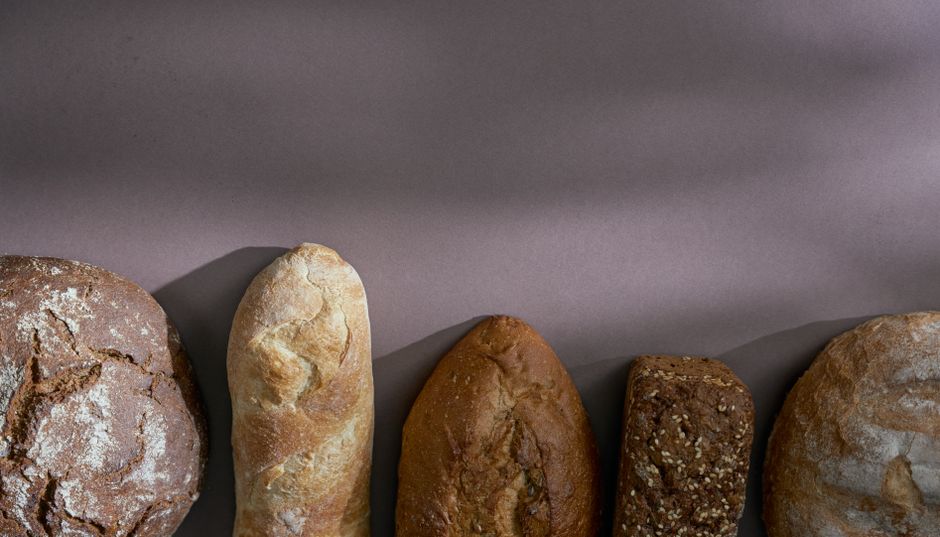
Bread crust stays crispy when it is protected from moisture, and moisture in bread comes from two places: the air around it and the inside of the loaf itself. Cool the loaf on a wire rack so steam escapes, then store it in a paper bag or a breathable container at room temperature. Plastic bags trap the water that moves out of the crumb and turn a crisp crust soft within hours.
That is the short answer. The longer answer involves understanding why crust goes soft in the first place, because once you know the mechanism, the storage choices make sense. A crust that is crisp at 5 p.m. can be leathery by morning, and it is not because the bread “went bad.” It is simple physics.
Why Does Bread Crust Lose Its Crispness?
Crust goes soft because water moves from the inside of the loaf to the outside, and from the air into the crust. A freshly baked loaf is not in equilibrium. The crumb holds far more water than the crust does, and water always moves from wetter areas to drier ones.
When you pull bread from the oven, the crust is dry and brittle because the surface water has evaporated during baking. But the interior is still full of steam and moisture. As the loaf cools, that moisture migrates outward. The crust absorbs it and loses its snap.
This process is sometimes called staling, though staling also involves changes inside the crumb itself. Starch molecules in bread recrystallize as the loaf cools and ages, which is why bread firms up even when it is kept perfectly sealed. That is a separate process from crust softening, and it is worth keeping the two apart. A crust can be soft while the crumb is still fresh, and a crust can be crisp while the crumb has already begun to firm.
The practical point: anything that speeds moisture movement toward the crust, or traps moisture around it, works against crispness. Anything that lets that moisture escape works for it.
How To Keep Bread Crust Crispy After Baking?
The single most effective step is to cool the loaf completely on a wire rack before you store it. A rack lets air move under the bread so steam escapes from the bottom as well as the top. If you set a hot loaf on a solid surface or put it into a bag while still warm, you trap the steam against the crust and it softens immediately.
Give it time. A large loaf can take an hour or more to cool to room temperature. The crust will actually firm up and crisp further during this period as surface moisture evaporates. Cutting into bread while it is still hot releases steam into the crust and into the air around it, so if you can wait, wait.
Once cool, choose your storage method with moisture in mind:
- Paper bag — lets moisture escape, keeps crust crisp for a day or two, but the crumb dries out faster.
- Linen or cotton cloth — similar to paper, breathable, traditional for a reason.
- Bread box with vents — provides airflow while keeping the loaf protected from drafts and pests.
- Plastic bag — keeps the crumb soft but softens the crust. Good for sandwiches, bad for crackly crusts.
- Refrigerator — the worst option for crust. Cold temperatures speed up starch recrystallization, so bread goes stale faster in the fridge than at room temperature.
There is a trade-off here that no storage method eliminates. Breathable storage protects the crust but dries the crumb. Sealed storage protects the crumb but softens the crust. You are choosing which part of the loaf matters more to you.
Should You Store Bread Cut Side Down?
Placing a cut loaf cut side down on a board or in a paper bag exposes less of the interior to air, which slows drying of the crumb. It does not do much for the crust, but it is a reasonable habit for a partially eaten loaf.
The cut surface is the most vulnerable part of the bread. It has no crust to protect it, so it loses water quickly and can dry out or grow mold before the rest of the loaf. Pressing it against a clean surface limits air contact. Some people wrap just the cut end in a small piece of parchment or cloth for the same reason.
This is a practical habit rather than a scientifically proven method. The reasoning is sound, and it costs nothing, but you will not find controlled trials comparing cut-side-down storage to cut-side-up. Treat it as a sensible default.
Can You Restore a Soft Crust?
Yes, you can bring back some crispness, but only temporarily. A short spell in a hot oven re-dries the surface and can restore a crackly texture for a while.
The method: heat the oven to around 350°F (about 175°C), put the bread directly on the rack or on a baking sheet, and warm it for a few minutes. Watch it closely. The goal is to drive off surface moisture, not to toast the bread. A loaf that is already dry can burn quickly.
The catch is that the crust will soften again as the bread cools and moisture migrates back out. This is a short-term fix, not a permanent one. It works best for a loaf that softened overnight and is being served the same day.
A toaster or toaster oven does the same job for slices. For a whole loaf, the oven is more even. Either way, the effect fades within hours.
Does the Type of Bread Affect How Long the Crust Stays Crispy?
Yes. Crust behavior depends heavily on the bread itself, and some loaves hold crispness far longer than others.
Lean breads made with just flour, water, salt, and yeast tend to develop the crispiest crusts. Think sourdough, baguettes, and rustic country loaves. These have little fat or sugar to hold moisture, and their crusts are thin and dry. They also stale quickly once the crust softens.
Enriched breads contain fat, sugar, or milk. These ingredients hold moisture in the crumb, which keeps the bread soft for longer but makes a truly crisp crust harder to achieve and harder to maintain. Sandwich loaves and brioche fall into this group.
Baking method matters too. Bread baked in a covered pot or with steam in the first part of baking develops a thicker, glossier crust. That crust can stay crisp longer than a thin one, provided it is stored with airflow. A very thin crust softens almost immediately in humid conditions.
What About Humidity and the Room Itself?
Humidity is the variable most people overlook. On a damp day, even a well-cooled loaf stored in a paper bag can soften within hours because the air itself is carrying water into the crust.
If you live in a humid climate, or you are storing bread during a rainy stretch, your options narrow. A bread box helps by creating a slightly buffered microclimate. Keeping the loaf in the coolest, driest spot in the kitchen helps too. Avoid storing bread near a kettle, dishwasher, or stove where steam collects.
In very humid conditions, some bakers freeze part of the loaf rather than trying to keep it crisp on the counter. Freezing stops both moisture migration and staling almost entirely. The crust will not be crisp after thawing, but a few minutes in a hot oven can bring back a reasonable texture.
How Should You Store Sliced Bread?
Sliced bread loses its crust faster than a whole loaf because every cut exposes interior crumb to the air. The more surface area exposed, the faster moisture moves.
If you slice a whole loaf at once, store the slices in a paper bag or a loosely closed container rather than a sealed plastic bag. The crust on the outer slices will soften quickly regardless. For the best crust, slice only what you plan to eat and keep the rest whole.
For bread you intend to keep more than a couple of days, freezing is the more reliable option. Slice it first, freeze the slices, and toast or reheat them as needed. Frozen bread does not stay crisp on the counter, but it avoids the slow decline that comes with room-temperature storage.
Frequently Asked Questions
How do you keep bread crust crispy after baking?
Cool the loaf completely on a wire rack, then store it in a paper bag or breathable bread box at room temperature. Avoid plastic bags and the refrigerator, both of which trap or draw moisture into the crust.
Why does my bread crust get soft overnight?
Moisture moves from the wetter crumb to the drier crust as the loaf sits, and the crust absorbs it. Sealing the bread in plastic speeds this up by trapping that moisture against the surface.
Should bread be stored in the fridge to keep the crust crispy?
No. Refrigeration speeds up starch recrystallization, so bread goes stale faster in the fridge than at room temperature. It also does nothing to protect the crust from moisture.
Can you make soft bread crust crispy again?
Yes, briefly. A few minutes in a 350°F oven drives off surface moisture and restores some crispness, but the effect fades within hours as moisture moves back into the crust.
Does a paper bag or plastic bag keep bread crust crispier?
A paper bag does, because it lets moisture escape. A plastic bag keeps the crumb soft but softens the crust, so it suits sandwich bread better than a crusty loaf.
