
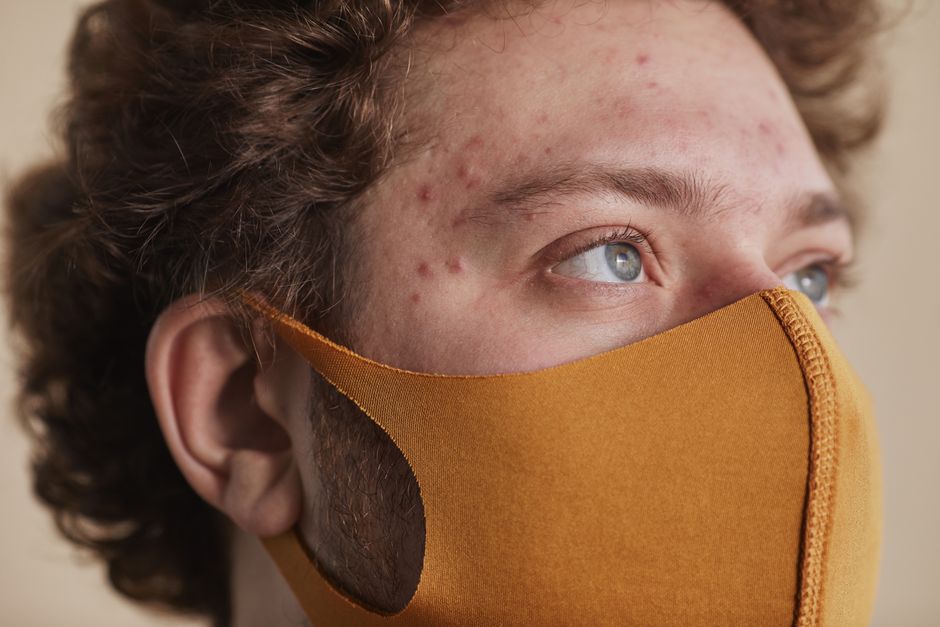
Acne is not something you fix once and forget. It is a condition that responds to daily routine. The habits that keep acne away are consistent, simple, and backed by how your skin actually works. Cleansing gently, moisturizing, protecting from the sun, and resisting the urge to pick are the core daily actions that make a real difference.
Why Do Breakouts Keep Coming Back?
Acne forms when hair follicles get clogged with oil and dead skin cells. Your skin sheds dead cells constantly. When they mix with sebum — the natural oil your skin produces — they can block a pore. Bacteria that live on everyone’s skin, called C. acnes, can then multiply inside that blocked pore. The result is inflammation and a pimple.
Hormones drive this process. Androgens, which increase during puberty and around menstrual cycles, make sebum production ramp up. Stress can also raise hormone levels. But hormones are not the whole story. Your daily habits determine how often those pores actually clog.
This is why a one-time facial or a strong cleanser does not cure acne. The process repeats daily. Your routine has to interrupt it daily too.
How To Keep Acne Away Daily Habits That Work
There is no single miracle step. The habits that work form a complete daily pattern. Consistency matters more than intensity. A gentle routine done twice a day beats an aggressive one done once a week.
The core habits are washing your face correctly, using the right products, protecting your skin from the sun, and leaving your skin alone. Each one addresses a different part of the acne process.
What Is the Right Way To Wash Your Face?
Wash your face twice a day — once in the morning and once before bed. This removes the buildup of oil, sweat, and dead skin cells that accumulates overnight and throughout the day.
Choose a gentle cleanser. Look for words like “non-comedogenic” or “oil-free” on the label. This means the product is formulated not to clog pores. Avoid harsh scrubs or cleansers with alcohol. They strip your skin of oil, which sounds good but backfires. When skin feels dry and tight, it produces more oil to compensate. That extra oil leads to more clogged pores.
Use lukewarm water, not hot. Hot water irritates skin and worsens inflammation. Massage the cleanser in with your fingertips for about 30 to 60 seconds, then rinse thoroughly. Pat your face dry with a clean towel. Do not rub — rubbing irritates the skin surface.
After washing, wait a few minutes before applying any treatment products. Skin absorbs them better when slightly damp but not wet.





Which Skincare Products Actually Help?
Some over-the-counter ingredients have solid evidence behind them. These are the ones dermatologists consistently recommend.
Benzoyl peroxide kills the bacteria that cause acne. It also helps remove excess oil. It works well but can dry the skin, so start with a lower concentration like 2.5% and build up slowly.
Salicylic acid is a beta-hydroxy acid that penetrates into pores and helps unclog them. It is less irritating than benzoyl peroxide for some people. It works best for blackheads and whiteheads rather than deep, inflamed pimples.
Adapalene is a retinoid that was previously prescription-only but is now available over the counter. It normalizes how skin cells shed, preventing them from clumping together and clogging pores. It is one of the most effective non-prescription options, but it takes time — usually 8 to 12 weeks before you see full results.
Moisturizer is not optional. Even oily, acne-prone skin needs hydration. Choose a lightweight, oil-free, non-comedogenic moisturizer. Apply it after treatments to reduce irritation and keep the skin barrier healthy.
Sunscreen is also essential. Some acne treatments make skin more sensitive to the sun. Sun exposure darkens acne scars and causes premature aging. Use a non-comedogenic sunscreen with SPF 30 or higher every morning, even on cloudy days.
What Habits Make Acne Worse Without You Realizing?
Several daily behaviors directly worsen acne. Most people do them without thinking.
Picking and popping is the most damaging habit. It pushes bacteria deeper into the skin, increases inflammation, and makes scarring more likely. A pimple that would have healed in a few days can take weeks to resolve if you pick at it. The rule is simple: hands off your face.
Touching your face throughout the day transfers oil, dirt, and bacteria from your hands to your skin. This is especially relevant if you rest your chin or cheek in your hand while working or studying.
Phone screens are another source of bacteria and oil. They press directly against your face and can contribute to breakouts along the jawline and cheek. Wipe your phone screen regularly with a gentle cleaner.
Sweat left on the skin after exercise can trap oil and dead cells. Shower or wash your face shortly after working out. Waiting even an hour gives sweat time to clog pores.
Hair products like gels, pomades, and oils can drip onto your forehead and cause breakouts. This is called pomade acne. Keep hair products away from your hairline, and wash your face after applying them.
Does Diet Play a Role in Daily Acne Control?
The link between diet and acne is real but more modest than many online sources claim. Research consistently shows that high-glycemic foods — those that spike blood sugar quickly — are associated with more acne. This includes white bread, sugary drinks, and processed snacks. The proposed mechanism is that rapid blood sugar spikes increase insulin, which in turn stimulates oil production.
Dairy is more controversial. Some studies suggest a link between skim milk and acne, but the evidence is not consistent enough to recommend everyone cut out dairy. If you notice a clear pattern between dairy and your breakouts, trying a few weeks without it is reasonable. But do not cut major food groups based on internet claims alone.
A balanced diet with plenty of vegetables, whole grains, and water is the safest recommendation. There is no acne diet that works for everyone, and no food is a guaranteed trigger.
How Long Before Daily Habits Show Results?
Acne treatments and habits take time. Skin cells turn over roughly every 28 days, so you cannot see improvements faster than that cycle. Most people need 6 to 8 weeks of consistent daily habits before they notice a meaningful reduction in breakouts.
Some products cause a temporary worsening before improving. Retinoids like adapalene can cause purging — a flare of acne in the first few weeks as clogged pores come to the surface. This is not a sign the product is failing. It is a normal part of the process.
If you have been consistent for 12 weeks and see no improvement, see a dermatologist. Prescription options like topical antibiotics, oral medications, or hormonal therapies are available and effective. Do not assume over-the-counter products will work for everyone. Some acne is too severe for self-treatment.
When Should You See a Dermatologist?
See a professional if your acne is painful, deep, or leaving scars. Also seek help if it is affecting your mood or self-esteem. Acne is a medical condition, not a cosmetic flaw, and it deserves proper treatment.
Dermatologists can prescribe stronger treatments that are not available over the counter. They can also help you distinguish acne from other skin conditions that look similar, like rosacea or folliculitis. Treating the wrong condition wastes time and can worsen your skin.
No clinical guidelines suggest waiting months with severe acne before seeking help. Earlier treatment means less scarring and faster clearance.
Frequently Asked Questions
Can drinking more water help clear acne?
Staying hydrated supports overall skin health, but no clinical evidence confirms that drinking extra water directly clears acne. Dehydration can make skin look dull, but it does not cause or cure breakouts.
Is it better to wash my face more than twice a day if I have oily skin?
No. Washing more than twice a day strips your skin of natural oils and can trigger excess oil production. Twice daily with a gentle cleanser is the evidence-based recommendation.
Do face masks and spot treatments work for daily acne prevention?
Spot treatments can reduce the size of an existing pimple, but they do not prevent new ones. Prevention requires consistent daily cleansing and treatment products, not occasional masks.
Will acne go away on its own without any daily routine?
Some people outgrow acne, but many do not without intervention. Consistent daily habits are the most reliable way to control breakouts, and untreated acne can lead to permanent scarring.
