
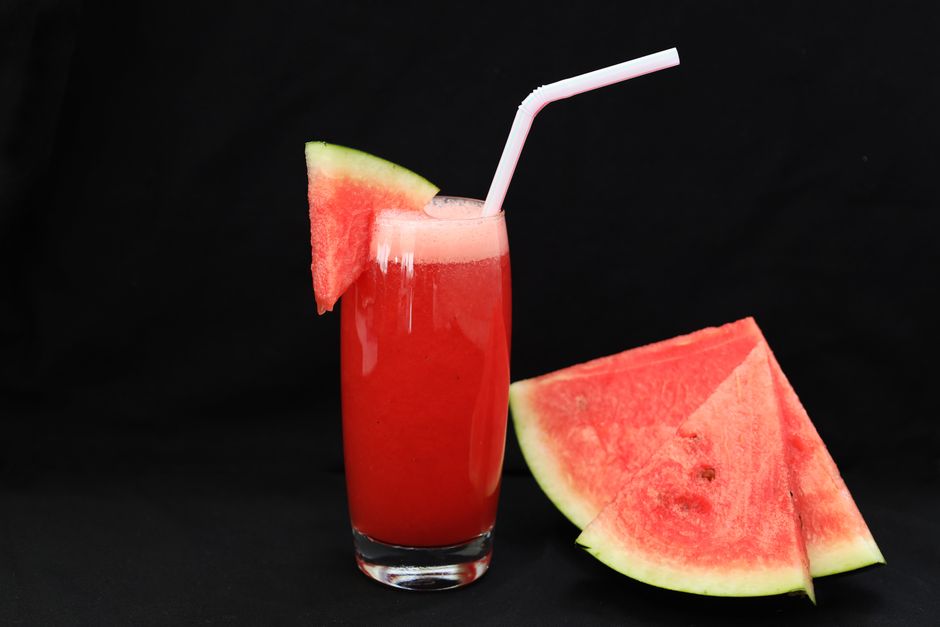
Watermelon rind is edible, and you can juice it. The white inner rind, the pale layer between the pink flesh and the hard green skin, contains water, fiber, and small amounts of vitamins and minerals. To juice it, cut away the tough outer skin, chop the white rind into chunks, and run it through a juicer or blend it and strain the pulp. You can juice rind on its own or mix it with watermelon flesh, lime, or mint. A standard kitchen juicer, a blender, or a fine-mesh strainer is all you need.
Is Watermelon Rind Safe to Eat and Juice?
Yes. Watermelon rind is edible. The United States Department of Agriculture lists watermelon rind among the edible parts of the fruit, and cooks have used it for generations in pickles, stir-fries, and preserves.
The part people usually mean by “rind” is the white layer just under the green skin. That layer is firm and mild, closer to a cucumber or zucchini in texture than to the sweet pink flesh. The hard green outer skin is a different story. It is tough and not something most people eat or juice.
One practical note: watermelon is a member of the cucurbit family, which also includes cucumber, squash, and melon. In rare cases, cucurbits can produce a compound called cucurbitacin that makes them bitter and can cause stomach upset. If your watermelon rind tastes sharply bitter rather than mild, do not juice or eat it. Normal watermelon rind is bland, not bitter.
What Is Actually in Watermelon Rind?
Watermelon rind is mostly water and fiber. That is the honest summary. It is not a concentrated source of vitamins the way the pink flesh is.
The pink flesh gets its color from lycopene, a carotenoid antioxidant. The white rind has very little lycopene because it has little pigment. Some research suggests the rind contains the amino acid citrulline, and that citrulline is found in higher amounts in the rind than in the flesh. Citrulline is real and studied, but the amounts in a glass of rind juice are modest, and no large human trial has shown that drinking rind juice produces meaningful health effects.
Here is the non-obvious point. The main reason to juice watermelon rind is not nutrition. It is to use a part of the fruit that would otherwise be thrown away, and to add mild flavor and fiber-friendly bulk to a drink. If you are juicing rind hoping for a concentrated nutrient hit, the pink flesh is the better source.
How To Juice Watermelon Rind Step by Step
The process is simple, but the prep step matters most. If you skip removing the green skin, your juice will taste harsh and may be hard to blend.
- Wash the outside. Rinse the whole melon under running water before cutting, since you will be cutting through the skin.
- Cut the melon. Slice it into wedges, then cut the pink flesh away from the rind.
- Remove the green skin. Lay each piece flat and slice off the hard green outer layer with a knife. Keep the white layer.
- Chop the white rind. Cut it into chunks about one inch across so your equipment can handle them.
- Juice or blend. Feed the chunks through a juicer, or blend them with a little water until smooth.
- Strain if blending. Pour the blended mixture through a fine-mesh strainer or nut milk bag to remove the pulp.
- Chill and drink. Serve cold. Fresh juice is best within a day or two.
If you use a juicer, you may not need to add water at all, since the rind releases plenty of liquid on its own. If you use a blender, add a small splash of water to get things moving, then add more only if needed.
What Tools Do You Actually Need?
You do not need special equipment. A sharp knife, a cutting board, and one of the following will do the job.
- A juicer. Fastest option. Handles firm rind well and separates pulp automatically.
- A blender. Works fine. You will need to strain afterward. A high-powered blender handles rind more easily than a basic one.
- A fine-mesh strainer or nut milk bag. Needed if you blend rather than juice.
- A citrus squeezer. Optional, but a squeeze of lime or lemon improves the flavor a lot.
A common mistake is trying to juice the green skin along with the white rind. It dulls blades and adds an unpleasant bitter edge. Take the extra minute to remove it.
A Simple Watermelon Rind Juice Recipe
This makes about two glasses. Adjust to taste.
- 4 cups chopped white watermelon rind
- 1 cup cubed pink watermelon flesh (optional, for sweetness)
- Juice of 1 lime
- A few fresh mint leaves
- Cold water, as needed
Run the rind and flesh through a juicer. If blending, combine with a splash of water, blend until smooth, then strain. Stir in the lime juice and mint. Serve over ice.
The pink flesh is optional but recommended if you find plain rind juice too mild. The lime is not just for flavor. Its acidity balances the drink and helps it taste less flat.
Does Juicing Watermelon Rind Have Health Benefits?
This is where honesty matters. Watermelon rind contains fiber, water, and small amounts of nutrients. But juicing removes most of the fiber, because the pulp is strained out. So a glass of rind juice is mostly water with a little dissolved nutrition.
Claims that watermelon rind juice detoxes the body, boosts immunity, or improves circulation are not supported by clinical evidence. The body detoxes itself through the liver and kidneys. No drink does that job for you. Citrulline, which is present in the rind, has been studied for blood flow and exercise performance, but those studies generally used concentrated supplements, not rind juice, and results have been mixed.
What can be said with confidence is this. Rind juice is a low-calorie, hydrating drink. It is a reasonable way to use more of the fruit and reduce food waste. It is not a treatment for any condition, and it should not replace medical care or a balanced diet.
Who Should Be Careful With Watermelon Rind Juice?
Most people can drink it without issue. A few groups should take it slow.
- People with kidney conditions. Watermelon and its rind contain potassium. If you have been told to limit potassium, check with your doctor before drinking rind juice regularly.
- People watching blood sugar. Plain rind juice is low in sugar, but if you add a lot of pink flesh or sweetener, the sugar content rises.
- Anyone with a sensitive stomach. The rind has fiber and natural sugars that can cause bloating or gas in some people. Start with a small amount.
If the rind tastes bitter, throw it out. Do not try to mask bitterness with sugar or juice it anyway. Bitterness in cucurbits can signal the presence of cucurbitacin, which can cause nausea and stomach cramps.
How Should You Store Watermelon Rind Juice?
Fresh juice is best the day you make it. Keep it in a sealed container in the refrigerator and drink it within one to two days. It will separate as it sits, so stir or shake before drinking.
You can also freeze chopped rind for later. Spread the chunks on a tray, freeze them, then move them to a freezer bag. They will keep for several months and can go straight into a juicer or blender. This is a good way to use up rind from a large melon instead of throwing it away.
Frequently Asked Questions
Can you juice watermelon rind without a juicer?
Yes. Blend the chopped white rind with a small amount of water, then strain the mixture through a fine-mesh strainer or nut milk bag. The result is similar to juicer output, just with a bit more hands-on work.
Do you need to peel watermelon rind before juicing?
You should remove the hard green outer skin, but keep the white layer underneath. The green skin is tough and adds a bitter taste, while the white rind is the part you actually want to juice.
Is watermelon rind juice good for you?
It is a low-calorie, hydrating drink, but juicing removes most of the fiber and the rind is not a concentrated source of vitamins. Claims that it detoxes the body or boosts immunity are not supported by clinical evidence.
Why does watermelon rind sometimes taste bitter?
Watermelon is a cucurbit, and cucurbits can occasionally produce a bitter compound called cucurbitacin. If the rind tastes sharply bitter rather than mild, do not eat or juice it, since it can cause stomach upset.
