
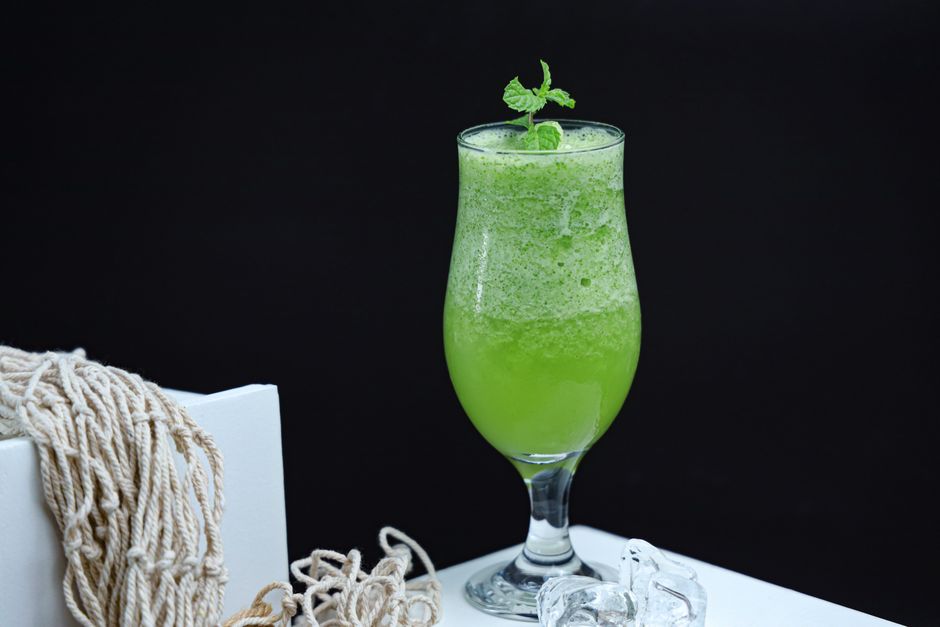
Dragon fruit, also called pitaya, is a mild, sweet fruit that releases a lot of water when you crush it. To juice it, peel the flesh, blend it briefly, then strain the pulp through a fine mesh sieve or nut milk bag. A juicer works too, but dragon fruit has soft flesh and tiny seeds, so a slow masticating juicer handles it better than a fast centrifugal model. You can drink the juice plain, or blend it with lime, apple, or other fruit to add flavor.
How To Juice Dragon Fruit Blender And Juicer Methods
The blender method is the simplest and gives you the most control. The juicer method is faster but wastes a little more fruit and can clog if you push too much at once.
Blender method
Start with ripe fruit. A ripe dragon fruit gives slightly when you press it and has bright, even color. Cut it in half lengthwise, then scoop out the flesh with a spoon or peel it away from the skin. The skin is not eaten.
Chop the flesh into rough chunks and add it to the blender. Blend on low to medium speed for about 20 to 30 seconds. You are not making a smoothie — you want to break the flesh apart and release the liquid without turning the tiny seeds into grit. Over-blending makes the juice cloudy and slightly bitter from crushed seeds.
Pour the blended pulp through a fine mesh sieve set over a bowl or jug. Press the pulp with the back of a spoon to get more juice out. A nut milk bag or cheesecloth works even better and catches more of the fine pulp. The result is a thin, pale juice with a mild sweetness.
If you want a clearer juice, strain it twice. If you do not mind a little texture, one pass is enough.
Juicer method
Feed peeled chunks of dragon fruit into the juicer. Do not force large pieces through — small chunks move more smoothly and put less strain on the machine.
A slow masticating juicer is the better choice here. It crushes the fruit gently, which keeps more of the juice intact and handles the soft flesh without clogging. Fast centrifugal juicers spin at high speed and tend to throw soft fruit against the mesh basket, which can leave more pulp behind and produce a wetter waste.
If you only have a centrifugal juicer, alternate dragon fruit chunks with a firmer fruit like apple or pear. The firmer fruit helps push the soft flesh through the machine.
One practical note: dragon fruit seeds are small but tough. They pass through most juicers without trouble, but they can wear on the mesh or basket over time if you juice seeded dragon fruit often. Rinsing the machine right after use prevents the pulp from drying and sticking.
Do You Need To Peel Dragon Fruit Before Juicing?
Yes, peel it first. The skin is thick, slightly bitter, and not eaten raw or juiced in normal practice. It contains compounds that are not meant for the juice and would make the drink taste harsh.
The flesh is what you want. Red-fleshed dragon fruit gives a deeper pink juice and a slightly sweeter taste than white-fleshed fruit, though the difference is small. Both juice the same way.
Some people scoop the flesh straight from the halved fruit with a spoon and blend it without chopping. That works, but chopping first helps the blender run evenly and prevents large pieces from sitting on the blades.
How Much Juice Does One Dragon Fruit Make?
A medium dragon fruit weighs roughly 300 to 600 grams, and the edible flesh is a portion of that. Because the flesh is mostly water, it yields a good amount of juice relative to its size — but the exact yield varies a lot by fruit, ripeness, and how hard you press the pulp.
As a general guide, one medium fruit makes a single small glass of juice, roughly the size of a small tumbler. If you want a full serving, juice two fruits or combine one fruit with a juicier fruit like orange or watermelon.
Riper fruit gives more juice. Underripe fruit is firmer and yields less, and it tastes bland. Choose fruit with bright color and a slight softness at the stem end.
What Does Dragon Fruit Juice Taste Like?
Dragon fruit juice is mild. It has a light sweetness and a texture closer to water than to a thick fruit juice. The flavor is often described as a cross between kiwi and pear, with a faint melon note.
Because the flavor is so gentle, it disappears quickly if you dilute it. That is why many people blend it with lime juice, lemon, or a sweeter fruit. A squeeze of lime brightens the flavor without covering it.
Red-fleshed dragon fruit can stain. The juice is strong enough to color your hands, countertops, and clothing, so handle it over a sink and wipe spills promptly. This is a practical point worth knowing before you start.
Does Juicing Dragon Fruit Keep Its Nutrients?
Juicing removes most of the fiber. The flesh contains fiber, and straining takes much of it out. What stays in the juice is water, some vitamins and minerals, and natural sugars.
Dragon fruit provides vitamin C and small amounts of other nutrients, along with antioxidants such as betalains in the red-fleshed variety. The amounts are modest compared with fruits like oranges or berries. No large human trials have confirmed specific health benefits from drinking dragon fruit juice, so treat it as a pleasant drink rather than a treatment.
Blending and straining exposes the juice to air, which can reduce vitamin C over time. Drink it soon after making it rather than storing it for days.
Can You Juice Dragon Fruit With Other Fruits?
Yes, and it usually tastes better that way. Dragon fruit’s mild flavor pairs well with brighter or sweeter fruits.
- Lime or lemon — adds tartness and lifts the flavor
- Apple or pear — adds sweetness and body
- Watermelon — boosts the water content and keeps the juice light
- Orange — adds sweetness and vitamin C
- Pineapple — adds a sharper, tropical note
Keep the dragon fruit as the main ingredient if you want its flavor to come through. Too much of a stronger fruit will hide it completely.
For a simple mix, juice one dragon fruit with the juice of half a lime and a splash of water. Taste before adding sweetener — the fruit is already sweet enough for most people.
Common Mistakes When Juicing Dragon Fruit
Most problems come from a few avoidable steps.
Over-blending is the most common. Running the blender for a full minute turns the seeds into grit and makes the juice bitter. Short pulses are enough.
Using underripe fruit is another. Underripe dragon fruit is firm, bland, and gives little juice. Wait until it gives slightly to the touch.
Not straining is a matter of preference, but unstrained juice has a thicker, pulpier texture that some people dislike. If you want a clean drink, strain it.
Letting the juicer sit without rinsing is a cleanup problem, not a taste one. Dragon fruit pulp dries hard and sticks to mesh. Rinse the parts as soon as you finish.
Finally, do not expect a strong flavor. Dragon fruit juice is subtle by nature. If you want a bold drink, blend it with other fruit rather than adding sugar.
Frequently Asked Questions
Can you juice dragon fruit without a blender or juicer?
Yes. You can mash peeled flesh with a fork or potato masher, then strain it through a fine sieve. It takes more effort and yields less juice, but it works.
Do you need to remove the seeds before juicing dragon fruit?
No. The seeds are small and edible, and they pass through a blender or juicer without harm. Straining removes most of them if you prefer a smoother juice.
How long does fresh dragon fruit juice last?
Drink it the same day for the best taste and nutrient content. Stored in a sealed container in the refrigerator, it keeps for about one to two days, though the flavor fades.
Is dragon fruit juice good for you?
It is a low-calorie drink that provides some vitamin C and antioxidants, but juicing removes much of the fiber. No clinical evidence confirms specific health benefits from the juice itself.
