
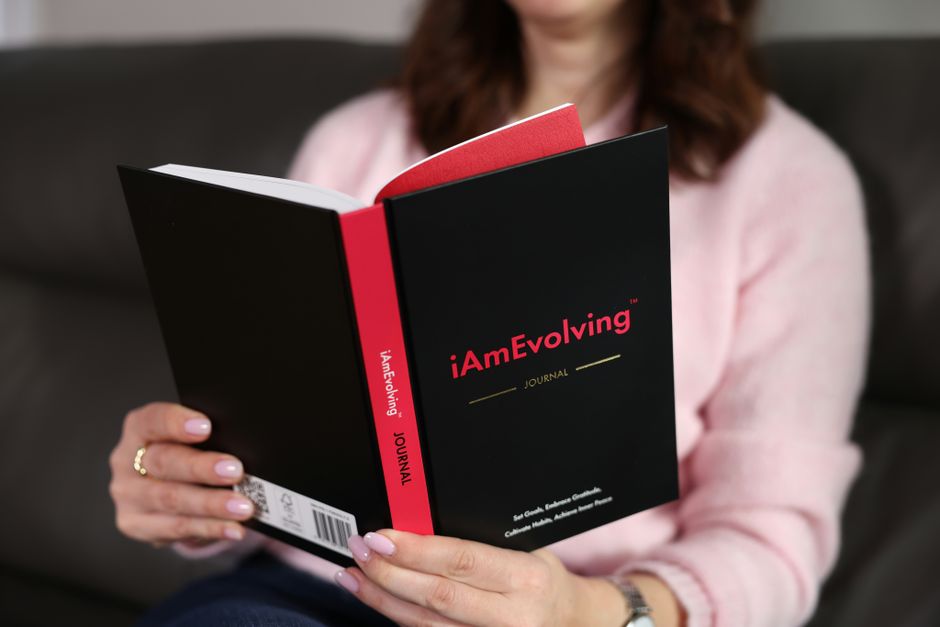
Journaling works best when you keep it small, specific, and low-pressure. Write for a few minutes at a set time, focus on one thing at a time, and skip the urge to make it perfect. The goal is not a beautiful diary. It is a useful record of your own thinking that you can return to and learn from.
Most people who quit journaling do not quit because they lack discipline. They quit because they set the bar too high on day one. A blank page invites grand ambitions, and grand ambitions rarely survive a busy Tuesday. Effective journaling is built on the opposite principle: make it so easy that skipping it feels stranger than doing it.
What Does Effective Journaling Actually Mean?
Effective journaling means writing with a purpose and a method, not just recording events. A diary logs what happened. A journal helps you notice patterns, test your thinking, and track how you respond to your own life.
The distinction matters because it changes what you write. If your goal is a record of events, you write chronologically. If your goal is self-understanding, you write about one moment and ask why it mattered. The second approach tends to be far more useful over time.
There is no single correct format. What the research on expressive writing does support is that structured writing about meaningful experiences can be useful for processing emotion. Much of that research comes from studies of brief writing exercises about difficult experiences, not from daily diary keeping. Those are related but not identical practices, and it is worth being clear about the difference. Daily journaling as most people do it has less direct research behind it than the structured writing exercises studied in labs.
How To Journal Effectively: Tips That Hold Up Over Time
These tips come from established principles of habit formation and from what is known about reflective writing. None of them require special tools or a large time commitment.
Start smaller than feels reasonable
Three sentences is a legitimate journal entry. The first two weeks of any new habit are about showing up, not producing. A page that takes ninety seconds is more likely to happen tomorrow than a page that takes twenty minutes.
Once the habit is stable, length tends to grow on its own. Starting long and shrinking rarely works.
Anchor it to something you already do
Attaching a new habit to an existing routine is one of the better-supported ideas in behavior change. Write right after your morning coffee, or right before you close your laptop for the day. The existing routine becomes the cue, and the cue is what makes the habit stick.
Use a prompt when the blank page wins
Prompts remove the friction of deciding what to write about. A few that work well:
- What took the most energy today, and why?
- What did I avoid, and what was I protecting myself from?
- What went better than I expected?
- If I could redo one conversation from today, what would I change?
- What am I carrying into tomorrow that I do not need to carry?
You do not need a new prompt each day. Reusing one prompt for a week often produces more insight than switching constantly, because you start to see your own patterns.
Write for yourself first
Journaling changes when you imagine a reader. If you are writing to be interesting, you start performing. The most useful entries are often the least polished ones. Let the sentences be clumsy.
Keep it private and consistent
Privacy is what makes honesty possible. Whether that means a paper notebook, a locked note on your phone, or a document no one else can open, the point is the same: you need to know no one is watching.
Consistency matters more than volume. Five short entries a week will teach you more about yourself than one long entry every three weeks.
What Should You Actually Write About?
Write about what you are still thinking about after the day ends. That is usually a better signal than what was objectively most important.
There are a few broad directions that tend to be productive:
- Events and reactions. What happened, and what did you feel about it? Naming an emotion precisely tends to be more useful than labeling it “good” or “bad.”
- Decisions. What are you weighing, what are you afraid of, and what would you tell a friend in your position?
- Patterns. What keeps happening? Recurring frustrations in a journal are worth paying attention to.
- Gratitude, done specifically. “I am grateful for my family” is easy to write and easy to forget. “My sister called me back even though she was busy” sticks.
What you should probably avoid is treating the journal as a place to rehearse worry. Ruminating on paper is still rumination. If an entry turns into the same anxious loop you have written before, that is a signal to change the prompt, not to write harder.
Should You Journal In The Morning Or At Night?
Either works. The best time is the one you will actually keep, and that is different for different people.
Morning journaling tends to suit people who want to set direction for the day. It has the advantage of being harder to postpone, since nothing has piled up yet. Evening journaling suits people who want to process what happened. It has the advantage of more material to work with.
One practical caution: if you are prone to anxious thinking at night, writing right before bed can make it harder to settle. Some people find that moving their journaling earlier in the evening, or keeping nighttime entries short and factual, helps. This is a reasonable adjustment rather than a firm rule, and it varies from person to person.
How Long Should A Journal Entry Be?
There is no standard length. The useful question is whether the entry captured the thought completely, not whether it filled a page.
Some entries will be one line. Some will be several paragraphs. Both are fine. What tends to matter more than length is whether the entry contains something specific. “Bad day” is a label. “I felt dismissed in the meeting and said nothing” is a record you can learn from.
How Do You Keep Journaling When Motivation Fades?
Expect motivation to fade. It fades for almost every habit, and planning for that is more useful than trying to prevent it.
A few approaches that help:
- Lower the bar instead of quitting. A single sentence still counts. The habit is the point, not the output.
- Do not try to catch up. Missing a week does not require a summary of the week. Just write today.
- Reread occasionally. Reading entries from a few months ago is often the thing that reminds you why the practice is worth keeping.
- Change the format if it has gone stale. Switch from paragraphs to bullet points, or from daily to a few times a week.
One non-obvious point: a journal that feels like a chore is usually a journal with the wrong rules. If you dread opening it, the format is the problem, not you.
Is Journaling Good For Your Mental Health?
The evidence is strongest for structured expressive writing, and more limited for everyday journaling as most people practice it. That distinction is worth keeping in mind.
Research on expressive writing, in which people write about difficult or emotional experiences in a structured way for short periods, has generally found modest benefits for mood and stress in some studies. Results across studies vary, and the effect is not large or universal. Journaling is not a treatment for depression, anxiety, or any other mental health condition, and it should not replace care from a clinician.
For many people, journaling functions as a thinking tool rather than a therapy. It creates a place to slow down, name what is happening, and notice patterns. That is genuinely useful. It is also not the same thing as treatment.
If journaling consistently leaves you feeling worse, or if it brings up material that feels too heavy to sit with alone, that is worth discussing with a mental health professional. Writing about difficult experiences is not always helpful for everyone, and there is no requirement to push through.
Paper Or Digital: Does It Matter?
Not much. The format that you will actually use is the right one.
Paper has the advantage of being separate from the devices that distract you, and many people find handwriting slows their thinking in a useful way. Digital has the advantage of being searchable, private by default on a locked device, and available wherever you are.
The choice that tends to matter more is whether the journal is easy to open. If it takes four taps and a password reset, it will not get used.
Frequently Asked Questions
How often should you journal to see benefits?
Most people do well with a few short entries per week rather than daily writing. Consistency matters more than frequency, and a routine you can keep beats an ambitious one you abandon.
What should you write in a journal if you do not know what to say?
Start with one specific moment from the day and describe what you noticed or felt. A single concrete detail is more useful than a vague summary of the whole day.
Can journaling replace therapy?
No. Journaling can support reflection, but it is not a treatment for mental health conditions and does not replace care from a qualified professional.
Is it better to journal in the morning or at night?
Either works, and the best time is the one you will keep. People prone to nighttime worry sometimes find that journaling earlier in the evening suits them better.
