
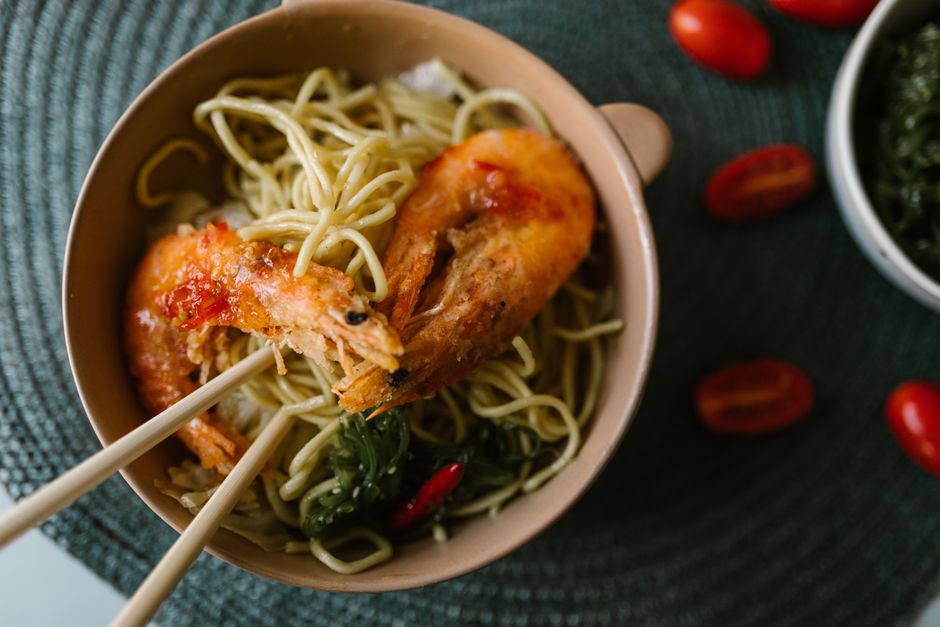
You can introduce shrimp to your baby as early as 6 months old, when they start eating solid foods. Make sure the shrimp is fully cooked and mashed or finely chopped to a soft, safe texture. Shrimp is a common allergen, so watch for signs of an allergic reaction and talk to your pediatrician before introducing it.
How To Introduce Shrimp To Baby Age Safety
The safest age to introduce shrimp is around 6 months, when most babies begin solid foods. Some pediatricians recommend waiting until 8 to 10 months if your baby has a strong family history of food allergies. Either way, your baby should be able to sit up with support and hold their head steady before trying any solid food.
Start with a very small amount — about half a teaspoon of well-cooked, mashed shrimp. Mix it with a familiar food like pureed sweet potato or avocado. Wait three to five days before offering shrimp again. This waiting period lets you tell if a reaction is from the shrimp or from something else.
Why Is Shrimp Considered an Allergen for Babies?
Shrimp and other shellfish are among the most common food allergens. The protein tropomyosin in shrimp triggers allergic reactions in many people. Even a tiny amount can cause symptoms in sensitive individuals.
Introducing common allergens early — around 6 months — may help reduce the risk of developing food allergies. The evidence for shellfish is less strong than for peanut or egg, but most pediatric allergy guidelines now recommend early introduction of shellfish when the baby is developmentally ready.
How to Prepare Shrimp Safely for a Baby
Safety starts with proper cooking. Shrimp must be cooked until it is opaque and firm — boiling, steaming, or sautéing works well. Never serve raw or undercooked shrimp to a baby.
Steps for safe preparation:
- Remove the shell, tail, and the dark vein along the back.
- Finely mince the cooked shrimp, then mash it with a fork until no large pieces remain.
- For a smoother texture, puree the shrimp with a little water or breast milk.
- For older babies (9 to 12 months), cut shrimp into very small, flat pieces — no larger than your pinky fingernail.
Do not add salt, seasoning, or butter. Keep the shrimp plain to avoid introducing unnecessary sodium or spices.





What Are the Signs of an Allergic Reaction to Shrimp?
Reactions usually happen within minutes to two hours after eating. Mild signs include hives, a red rash around the mouth, itching, or mild swelling of the lips and tongue. Stomach symptoms like vomiting, diarrhea, or stomach pain can also occur.
Severe reactions — called anaphylaxis — are rare but serious. Signs include trouble breathing, wheezing, swelling of the throat or tongue, hoarseness, pale or blue skin, or fainting. If you see any of these, give epinephrine if available and call 911 immediately.
If your baby develops only mild hives or a few spots, still call your pediatrician for guidance. Every allergic reaction should be taken seriously.
Can Shrimp Cause Choking in Babies?
Yes, shrimp can be a choking hazard if not prepared correctly. The rubbery texture and slippery surface make it easy for a baby to swallow a piece that is too large. Whole shrimp, shrimp tails, and large chunks are dangerous.
To lower the choking risk, always mash or mince the shrimp until it is a soft, even consistency. For babies 6 to 9 months, a paste or thick puree is safest. For babies 9 to 12 months, small, flat pieces that dissolve easily in the mouth are acceptable. Always watch your baby while they eat and never leave them alone with food.
Is Shrimp Nutritious for Babies?
Shrimp provides high-quality protein, which is important for growth. It is low in saturated fat and contains several key nutrients. A 1-ounce serving of cooked shrimp gives your baby about 4 grams of protein, selenium (an antioxidant that supports the immune system), vitamin B12, iodine, and phosphorus.
One concern parents often ask about is mercury. Shrimp is one of the lowest-mercury seafood choices. The FDA lists shrimp among the “Best Choices” for young children and pregnant women, recommending 2 to 3 servings per week from this category.
Shrimp also contains iodine, which supports thyroid function and brain development. However, there is no specific recommended amount of shrimp for babies. As part of a varied diet, a small serving once or twice a week is reasonable.
Frequently Asked Questions
Can babies be allergic to shrimp?
Yes, shrimp is a common allergen. Even a small amount can cause mild to severe allergic reactions in susceptible babies.
How do I know if my baby is ready for shrimp?
Your baby is ready when they can sit up with support, hold their head steady, and have started eating other soft solids like pureed fruits and vegetables.
Should I give shrimp to my baby every day?
No. Feeding shrimp once or twice a week is enough to provide nutrients without overexposing your baby to a potential allergen. Variety is more important than frequency.
Can I give my baby raw shrimp?
No. Raw shrimp can contain harmful bacteria and viruses. Always cook shrimp fully before feeding it to a baby.
