
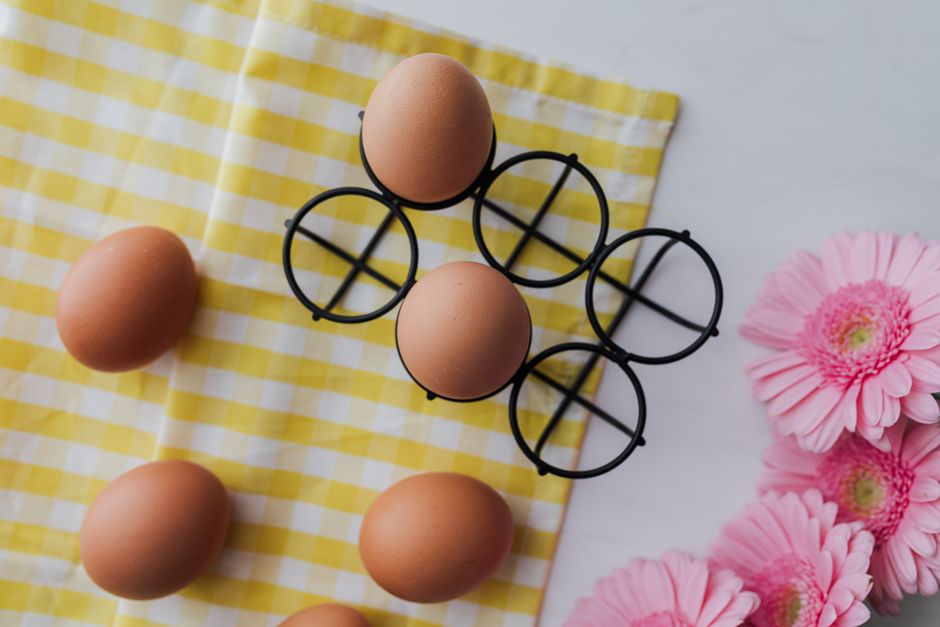
Eggs are one of the most common food allergens for young children, and current pediatric guidance is clear: introduce them early, keep offering them regularly, and watch your baby for about two hours after the first taste. For an 8-month-old, that means well-cooked egg served soft and mashed — never raw or runny — in a small amount to start. Most babies handle egg without any problem, and early introduction is now recommended rather than delayed.
Why Are Eggs Recommended At 8 Months Instead Of Later?
For years, parents were told to hold off on allergenic foods like eggs until after a child’s first birthday. That advice has been reversed.
Research consistently shows that introducing highly allergenic foods earlier, not later, is associated with a lower risk of developing an allergy to them. The strongest evidence comes from the LEAP trial, published in the New England Journal of Medicine, which looked at peanut introduction in high-risk infants and found early introduction reduced peanut allergy substantially compared with avoidance. Guidance from major pediatric and allergy organizations now reflects that same principle for egg and other common allergens.
There is an important distinction worth making. Early introduction is not a guarantee your baby won’t develop an egg allergy. It is a strategy that, across large groups of children, is associated with lower allergy risk than delaying. Individual outcomes vary.
Eight months is a reasonable time because most babies are eating solid foods by then and have the oral skills to manage a soft, mashed texture. If your baby was born prematurely or has other feeding challenges, talk with your pediatrician about timing.
How To Introduce Eggs To Your 8 Month Old Safely
The first serving should be small, fully cooked, and given when your baby is healthy and you can stay with them for a couple of hours afterward.
Here is a practical sequence that reflects common pediatric practice:
- Start small. Offer about a quarter to half a teaspoon of well-cooked, mashed egg. Some clinicians suggest starting even smaller for babies with known eczema or other allergies.
- Cook it thoroughly. Both the white and yolk should be fully set. Raw or runny egg carries a real risk of Salmonella infection, and for an infant that risk is not worth taking.
- Pick a calm time. Give the first taste at home, in the morning or early afternoon, when your baby is well and you are not rushing out the door.
- Watch and wait. Stay with your baby for about two hours after the first serving. Most reactions, if they happen, appear within that window.
- Keep offering it. If there is no reaction, continue giving egg regularly — a few times a week is a common approach — because ongoing exposure is part of what maintains tolerance.
One detail many parents miss: introducing egg once and then never offering it again does not accomplish the goal. Regular, ongoing inclusion in the diet is part of the strategy, not just the first taste.
What Texture And Form Should The Egg Take?
At 8 months, your baby needs soft, mashable textures and should never be given anything that could lodge in the airway.
Safe forms include:
- Hard-cooked egg mashed with a fork or a little breast milk or formula
- Scrambled egg cooked until fully firm, then broken into small soft pieces
- Egg baked into a soft muffin or pancake, cut into small pieces
Avoid whole hard-boiled egg halves, large chunks of egg, and any egg that is still wet or runny. Whole nuts and large food pieces are choking hazards at this age, and the same principle applies to how egg is served.
Do not add salt. Infant kidneys are not mature enough to handle added sodium well, and there is no nutritional reason to salt a baby’s food.
What Does An Egg Allergy Reaction Look Like?
Most egg allergy reactions are mild and involve the skin or digestive tract. A smaller number are severe.
Signs to watch for after the first serving include:
- Hives or raised red patches on the skin
- Swelling of the lips, face, or around the eyes
- Vomiting or significant spitting up
- Loose stools or blood in the stool, sometimes appearing hours later
- Fussiness or discomfort
Signs of a severe reaction — called anaphylaxis — need emergency care immediately. These include trouble breathing, wheezing, a hoarse or weak cry, widespread hives with swelling, pale or bluish skin, and sudden limpness or unresponsiveness. Call emergency services right away if you see these.
It is worth knowing that egg allergy in infants often resolves. Many children outgrow it by school age, though this varies. A diagnosis should come from a doctor, not from a single reaction at home, because other causes can look similar.
Which Babies Need Extra Caution?
Babies with severe eczema or a known allergy to another food are at higher risk of developing an egg allergy and may need a different approach.
If your baby has moderate to severe eczema, or has already reacted to another food, talk with your pediatrician or a pediatric allergist before the first egg serving. Some clinicians recommend allergy testing first, or introduction under supervision. This is a widely followed practice rather than a rule backed by a single large trial, so the specifics will vary by clinician.
If your baby has had a previous reaction to egg — even a mild one — do not try again at home without medical guidance.
Does Cooking Method Matter For Allergy Risk?
Yes, and this is one of the less obvious points. Heavily baked egg, such as in a muffin or cake, is often tolerated by children who react to lightly cooked egg. The baking process changes the proteins enough that some immune systems no longer recognize them as strongly.
That does not mean baked egg is a safe first introduction for a baby at high risk of egg allergy. For a first taste, fully cooked but lightly processed egg — like scrambled or hard-cooked — is the more standard starting point, and testing tolerance to baked egg is typically something a doctor guides. Do not use baked egg as a workaround if your baby has already reacted to egg.
How Often Should Egg Stay In The Diet?
Once egg is tolerated, keep it in regular rotation. A few servings a week is a common approach, and many pediatric guidance sources emphasize ongoing exposure rather than a one-time introduction.
Egg is also a genuinely useful food at this age. It provides protein, choline, and several vitamins, and it is one of the more nutrient-dense first foods available. That said, it should be one part of a varied diet, not the whole of it.
If your baby stops accepting egg or develops a reaction after previously tolerating it, stop offering it and check with your pediatrician.
What If My Baby Has Already Had Eggs With No Problem?
Then you can keep serving them normally, in safe textures, as part of your baby’s regular meals.
There is no need to re-test or restrict egg if it has been tolerated. The main ongoing precautions are texture — always soft and mashable at this age — and full cooking to avoid foodborne illness.
Frequently Asked Questions
Can I give my 8 month old scrambled eggs?
Yes, as long as the egg is cooked until fully firm and broken into small, soft pieces. Runny or undercooked scrambled egg should not be given to an infant because of the risk of foodborne illness.
How much egg should I give my baby the first time?
Start with about a quarter to half a teaspoon of well-cooked, mashed egg. Some clinicians suggest starting even smaller for babies with eczema or a known allergy to another food.
How long after eating egg would an allergic reaction show up?
Most reactions appear within about two hours of eating, which is why staying with your baby for that window after the first serving matters. Some digestive reactions, like blood in the stool, can appear hours later.
Can my baby be allergic to the egg white but not the yolk?
Egg white allergy is more common because the white contains the proteins most often recognized by the immune system. Some children tolerate baked egg but react to lightly cooked egg, and a doctor can help sort out which pattern applies.
