
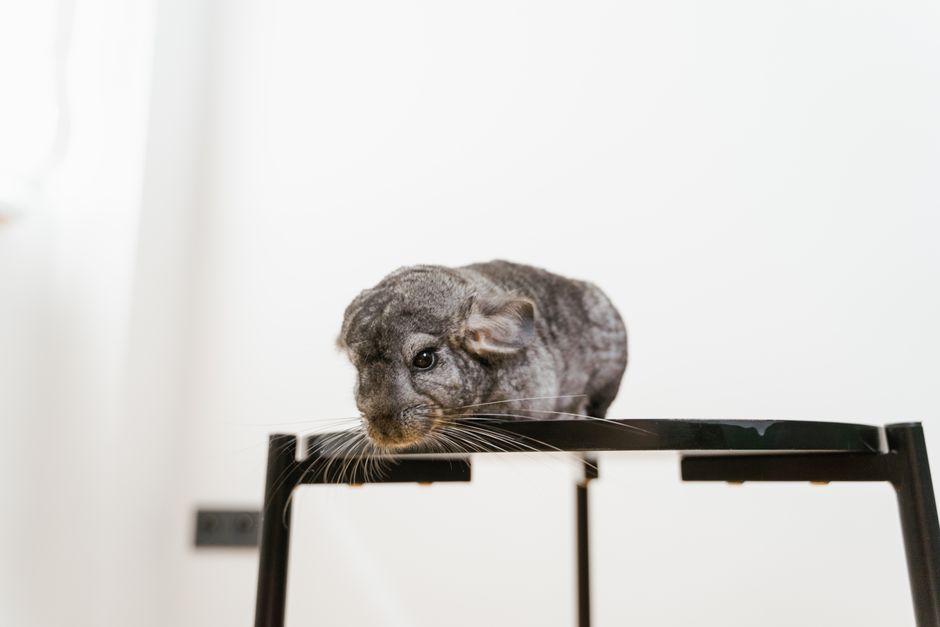
Chinchillas are social animals, but they are also deeply territorial. Two chinchillas that seem calm in separate cages can fight badly the moment they share space. The safe way to introduce them is slow and structured: keep them in separate cages side by side first, allow supervised contact through a barrier, then move to short meetings in neutral territory, and only house them together once both animals show consistent calm behavior. Rushing any of these steps is the most common reason introductions fail.
There are no shortcuts here. A chinchilla introduction that goes wrong can cause serious injury in seconds, and bonded pairs that fight can stay aggressive toward each other afterward. This guide covers what actually works, what the evidence supports, and where owners commonly get it wrong.
Why Are Chinchillas So Difficult To Introduce To Each Other?
Chinchillas in the wild live in large colonies, so the idea that they are solitary is wrong. But wild colonies form through gradual, natural social bonding within family groups. Bringing two unrelated adults together in a cage is a different situation entirely.
Chinchillas are prey animals. They are wired to be cautious, and they defend territory because in the wild, a safe burrow or rock crevice is a survival resource. When a new chinchilla enters that space, the resident animal often reads it as a threat rather than company.
There is also a well-documented feature of chinchilla behavior that surprises many owners: females are often more aggressive than males, particularly toward other females. Same-sex female pairs and female-male pairs can both be difficult. Some breeders and experienced keepers report that male-male pairs are sometimes easier, but this is not a reliable rule. Individual temperament matters more.
Age is another factor. Young chinchillas, especially those introduced before sexual maturity, tend to accept each other more readily than adults. Two adult chinchillas that have lived alone for years are the hardest case.
What Supplies Do You Need Before Starting?
Preparation determines whether an introduction succeeds more than anything you do during the meetings themselves.
- Two separate cages placed near each other, ideally with a small gap so the animals can see and smell but not reach each other.
- A neutral meeting space — a room or a large playpen that neither chinchilla considers its home territory.
- A thick pair of gloves for handling if a scuffle breaks out, because chinchillas can bite hard.
- A dust bath — some keepers find that a shared dust bath in neutral space reduces tension, though this is anecdotal rather than proven.
- A towel or piece of cardboard to separate animals without using your hands if needed.
Do not plan to introduce a new chinchilla directly into the resident chinchilla’s cage. That is the single most common mistake and the most likely to end in a fight.
How To Introduce Chinchillas To Each Other Safely Step By Step
The process has four stages, and each one should be completed before moving to the next. There is no fixed timeline. Some pairs progress in a few weeks. Others take months. A few never bond, and that outcome needs to be accepted rather than forced.
Stage 1: Side-by-side cages
Place the two cages close together, with a gap of a few inches so the animals can see and smell each other but cannot touch. Keep this arrangement for at least a week, and longer if either chinchilla shows stress signals such as fur chewing, pacing, or reduced eating.
Watch for calm curiosity — approaching the shared side, sniffing, resting near each other. Those are good signs. Watch for lunging at the bars, spraying urine, or teeth chattering. Those mean the animals are not ready for closer contact.
Stage 2: Supervised contact through a barrier
Set up a playpen or blocked-off area with a mesh barrier down the middle. Let both chinchillas into their sides at the same time for short sessions, starting with a few minutes. Increase session length only if both animals stay calm.
If either chinchilla shows aggression through the barrier, end the session and return to side-by-side cages for several more days. Repeated short calm sessions work better than long stressful ones.
Stage 3: Neutral territory meetings
Once both animals are consistently calm through a barrier, move to short direct meetings in a neutral space. Neutral matters — a room the resident chinchilla does not consider its own reduces territorial behavior.
Keep sessions short at first. Supervise closely the entire time, with gloves on and a separation tool within reach. End on a calm note rather than waiting for a fight.
Normal chinchilla social behavior includes sniffing, gentle grooming, and some mounting. Mounting is a dominance behavior, not necessarily aggression, and it is common during introductions. Actual fighting looks different: fur flying, biting, chasing with intent, and loud distress vocalizing. Separate immediately if you see real fighting.
Stage 4: Shared housing
Move to a shared cage only after several successful neutral meetings with no aggression. Clean the shared cage thoroughly first so neither animal’s scent dominates. Rearrange the layout — new hiding spots, new shelves — so it feels unfamiliar to both.
Supervise closely for the first several days. Keep the second cage available in case the pairing fails, because it sometimes does even after a promising start.
What Are the Warning Signs That an Introduction Is Going Wrong?
Chinchillas give clear signals before and during a fight, and reading them correctly is what keeps both animals safe.
Warning signs to stop and separate:
- Teeth chattering, especially with ears flattened back
- Urine spraying directed at the other animal
- Lunging at the cage bars or barrier
- Chasing that does not stop
- Fur pulling or biting
- Loud distress vocalizing from either animal
Some behaviors that look alarming are not fighting. Chinchillas may nip gently to establish rank. They may make short, sharp sounds that are communication rather than distress. A brief scuffle that resolves quickly is different from a sustained attack.
The distinction matters because separating too early over normal dominance behavior can actually prolong the process. But if you are unsure, separate. A failed introduction is recoverable. An injury may not be.
Can Two Chinchillas Ever Be Housed Together After a Failed Introduction?
Sometimes, yes — with time and a full reset. But not always, and forcing it is dangerous.
If an introduction ends in a serious fight, separate the animals completely for several weeks. Then restart the entire process from Stage 1. Some pairs that fought initially do eventually bond when the process is slowed down. Others never do.
There is no reliable evidence on what percentage of chinchilla pairings succeed. What is clear from experienced keepers and veterinary behavior guidance is that some chinchillas are genuinely incompatible, and a single chinchilla housed alone with regular human interaction can live a full, healthy life. Loneliness is not automatically a welfare problem for a solitary chinchilla if the owner provides consistent attention and enrichment.
This is the point where many owners feel pressure to make a pairing work. That pressure is the wrong motivation. Two chinchillas living separately but near each other, with no contact, is a reasonable long-term arrangement if bonding fails.
What About Bonding a Young Chinchilla With an Adult?
Young chinchillas are generally easier to introduce than adults, but the age gap creates specific risks.
An adult chinchilla can injure a small kit without intending to. Introductions between an adult and a young chinchilla should be supervised with extra care, and the young animal needs a way to escape if play becomes rough. Some breeders recommend waiting until the younger animal is large enough to hold its own, but there is no established age threshold in veterinary guidance.
Same-sex pairings are common, and female-female pairs can work, though as noted, females tend toward more aggression. Male-female pairs will breed unless one animal is neutered. Neutering a male chinchilla is a surgical procedure with real risks, and it does not reliably reduce aggression in all cases. Discuss the decision with an exotic-animal veterinarian rather than assuming neutering solves a bonding problem.
How Long Does Bonding Usually Take?
There is no standard timeline. Some chinchillas accept each other within a couple of weeks. Others take several months of slow, patient work. A small number never bond.
What matters more than speed is consistency. Short, calm, supervised sessions repeated regularly work better than long sessions spaced far apart. Rushing to shared housing before both animals are consistently calm is the most common reason introductions fail.
Watch the animals, not the calendar. Their behavior tells you when to move forward.
Frequently Asked Questions
Can I just put two chinchillas in the same cage and let them work it out?
No. That approach risks serious injury, sometimes within seconds, and it is the most common cause of failed introductions. Chinchillas need a gradual, supervised introduction in neutral territory.
How do I know if my chinchillas are fighting or just establishing dominance?
Normal dominance behavior includes sniffing, gentle nipping, mounting, and brief scuffles that resolve quickly. Real fighting involves fur pulling, biting, sustained chasing, and loud distress sounds — separate immediately if you see those.
Is it better to bond two males or a male and a female?
There is no reliable rule. Male-male pairs are sometimes reported as easier, but individual temperament matters far more than sex. A male-female pair will also breed unless one is neutered.
Can a chinchilla live alone if bonding doesn’t work?
Yes. A single chinchilla with consistent human interaction and enrichment can live a healthy life. Separate housing near each other without contact is a reasonable long-term option if bonding fails.
