
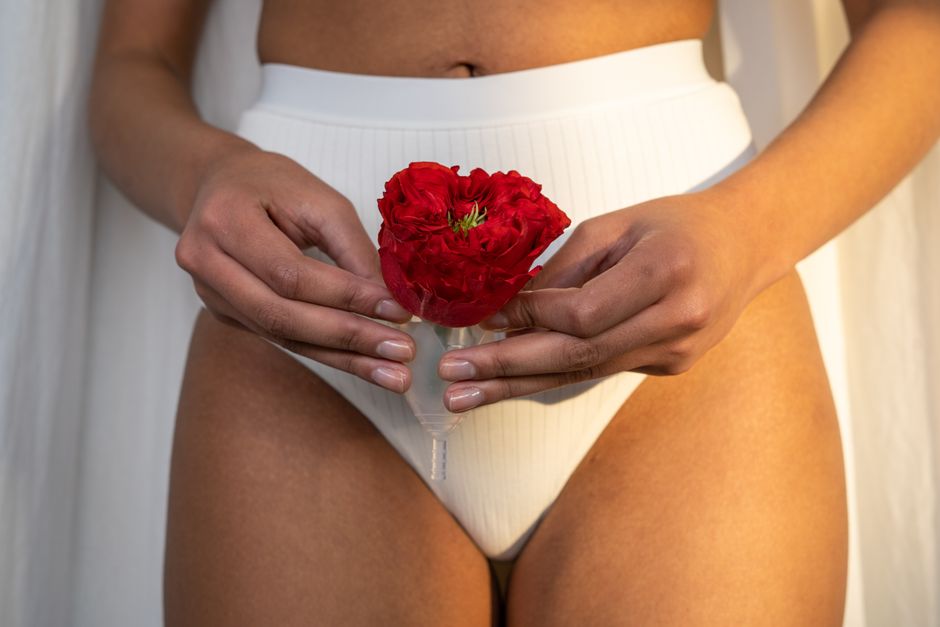
Inserting a menstrual cup for the first time comes down to three things: finding a comfortable position, folding the cup so it fits through the vaginal opening, and angling it toward your lower back rather than straight up. Most people succeed within a few tries. The learning curve is real, but it is short, and a few practical details make the process much easier.
How To Insert A Diva Cup For The First Time
Start with clean hands and a relaxed body. Wash your hands with soap and water. If you can, trim your fingernails — the vagina is lined with sensitive tissue, and a sharp edge can cause a small scratch that stings.
Choose a position that gives you room to work. Many people squat, sit on the toilet with knees apart, or stand with one foot on the edge of the tub. There is no single correct position. The goal is simply to relax the pelvic floor muscles so the vaginal canal opens.
Fold the cup. The most common fold is the C-fold: press the rim together so the cup forms a C shape. The punch-down fold is another option — push one side of the rim down into the cup. Either works. The C-fold tends to be easier for beginners because it creates a narrow, rounded tip.
Hold the folded cup between your thumb and forefinger. Use your other hand to gently separate the labia. Insert the folded cup into the vaginal opening, aiming it toward your tailbone — not straight up toward your head. The vagina angles backward, so a straight-up push often hits the wall and feels uncomfortable.
Once the rim is inside, let go of the fold and push the cup up with one finger until it sits comfortably. You should not feel it when it is placed correctly. If you feel pressure or a poking sensation, it is probably sitting too low.
How Do You Know If the Cup Is Sealed Correctly?
The cup needs to open fully and form a seal against the vaginal walls. If it stays folded or dented, it can leak.
After inserting, run one finger around the outside of the cup. You are checking for dents or flat spots. The cup should feel round and springy. If you feel a dent, gently press the vaginal wall away from the cup or rotate the cup slightly until it pops open.
Some people also give the cup a gentle tug on the base. If it resists, the seal is likely good. If it slides down easily, it is not sealed yet.
A common mistake is pushing the cup too high before it has opened. The cup needs a little room to unfold. If you push it up while it is still folded, it may stay collapsed. Insert it partway, let it open, then nudge it into place.
Another issue: the cup may open but sit tilted. This is not always a problem. As long as the rim is round and the cup is below the cervix, it usually works. If you keep leaking, the cup may be sitting beside the cervix instead of under it. Try inserting at a slightly different angle.
What If Insertion Hurts or You Cannot Get It In?
Discomfort during insertion usually means one of three things: you are tense, the angle is wrong, or you need lubrication.
Tension is the most common cause. The pelvic floor muscles tighten when you are anxious or rushing. Take a breath, relax your jaw and shoulders, and try again. Some people find it helps to bear down slightly — the same gentle push you would use during a bowel movement — which opens the vaginal canal.
Angle matters too. If you are pushing straight up, try aiming more toward your lower back. A slight downward tilt of the cup as it enters can help.
Lubrication can make a big difference. A water-based lubricant on the rim of the cup is safe and helps it slide in. Do not use silicone-based lubricant with a silicone cup — it can degrade the material over time. Check the cup manufacturer’s guidance on lubricant compatibility.
If you have tried several times and still cannot insert the cup, stop for the day. Trying when frustrated rarely helps. The muscles tighten further, and the experience becomes more uncomfortable. Try again another day, or consider a smaller cup size. Diva Cup makes more than one size, and the smaller size is often easier for beginners.
If insertion consistently causes sharp pain, talk to a healthcare provider. Conditions like vaginismus — involuntary tightening of the vaginal muscles — can make insertion painful, and a clinician can help.
How Long Can You Leave a Menstrual Cup In?
Menstrual cups can be worn for up to 12 hours. That is the standard guidance from cup manufacturers and is widely supported by clinical reviews. On heavy flow days, you may need to empty it more often — every 4 to 6 hours is common for some people.
Do not leave a cup in longer than 12 hours. Doing so raises the risk of irritation and, in rare cases, toxic shock syndrome. TSS is a serious bacterial infection, and while it is more commonly associated with tampons, it has been reported with menstrual cup use as well.
If you develop a sudden high fever, rash, vomiting, diarrhea, muscle aches, or feel faint while using a cup, remove it and seek medical care immediately. These are symptoms of TSS and require urgent treatment.
How Do You Remove a Diva Cup Without Pain?
Removal is often the harder part for beginners. The key is to break the seal before pulling.
Wash your hands. Relax. Bear down gently to bring the cup lower into the vaginal canal. Then pinch the base of the cup — not the stem — between your thumb and forefinger. Squeeze to release the suction. Once the seal breaks, gently wiggle the cup down and out.
Do not pull on the stem alone. The stem is there to help you locate the cup, not to yank it out. Pulling on the stem without breaking the seal can cause pain and may not remove the cup.
If the cup feels stuck, do not panic. It cannot get lost inside you — the vagina is a closed canal. Bear down, reach in, and pinch the base. If you truly cannot reach it, see a healthcare provider. This is uncommon but happens, especially with a cup that has migrated high.
After removal, empty the cup into the toilet or sink. Rinse it with water. Wash it with a mild, unscented soap and water before reinserting. Some people boil their cup between cycles to sanitize it — check the manufacturer’s instructions for your specific cup.
What Makes First-Time Insertion Easier?
A few practical adjustments help most beginners.
- Practice timing. Try inserting the cup for the first time on a day when your flow is light or moderate, not your heaviest day. It is less messy and less stressful.
- Use the right size. Diva Cup comes in different sizes. The smaller size is usually recommended for people under 30 who have not given birth vaginally, though sizing also depends on flow and anatomy. Check the brand’s sizing guide.
- Try different folds. If the C-fold does not work, try the punch-down fold or the seven-fold. Different folds suit different bodies.
- Relax your pelvic floor. A few slow breaths before you start can help more than any technique.
- Give it time. Most people need a few cycles to get comfortable. It is normal for the first attempt to be awkward.
Menstrual cups are not for everyone. Some people find them uncomfortable or simply prefer other options. That is fine. Tampons, pads, and period underwear all work. The best choice is the one that fits your body and your life.
Are There Risks With Menstrual Cups?
Menstrual cups are generally considered safe when used correctly and cleaned properly. The most common issues are minor: irritation, difficulty inserting or removing, and occasional leaks.
More serious risks are rare but real. Toxic shock syndrome has been reported with cup use, though it is uncommon. Leaving a cup in too long, using a damaged cup, or not cleaning it properly can increase risk.
Some research suggests that improper cup use may be associated with urinary symptoms like difficulty urinating or discomfort, especially if the cup presses against the urethra. If you notice these symptoms, reposition the cup or try a different size.
If you have an IUD, talk to your healthcare provider before using a cup. There have been case reports of cups dislodging IUDs, though the evidence is limited. Removing a cup by the stem or pulling too hard may increase that risk. Pinching the base and breaking the seal first is safer.
If you have a history of TSS, a compromised immune system, or certain vaginal conditions, ask a clinician whether a cup is appropriate for you.
Frequently Asked Questions
Can you feel a Diva Cup when it is inserted correctly?
No. A properly inserted cup sits below the cervix and should not cause any sensation. If you feel pressure, poking, or discomfort, the cup is likely too low or not fully open.
How do you insert a Diva Cup without it hurting?
Relax your pelvic floor, use a water-based lubricant, and aim the cup toward your tailbone rather than straight up. If it still hurts, try a smaller size or speak with a healthcare provider.
Can a Diva Cup get lost inside you?
No. The vagina is a closed canal, so the cup cannot travel beyond it. If you cannot reach it, bear down gently or see a healthcare provider for removal.
How long does it take to get used to a menstrual cup?
Most people need a few cycles to feel comfortable with insertion and removal. Some get the hang of it in one or two tries; others take longer.
