
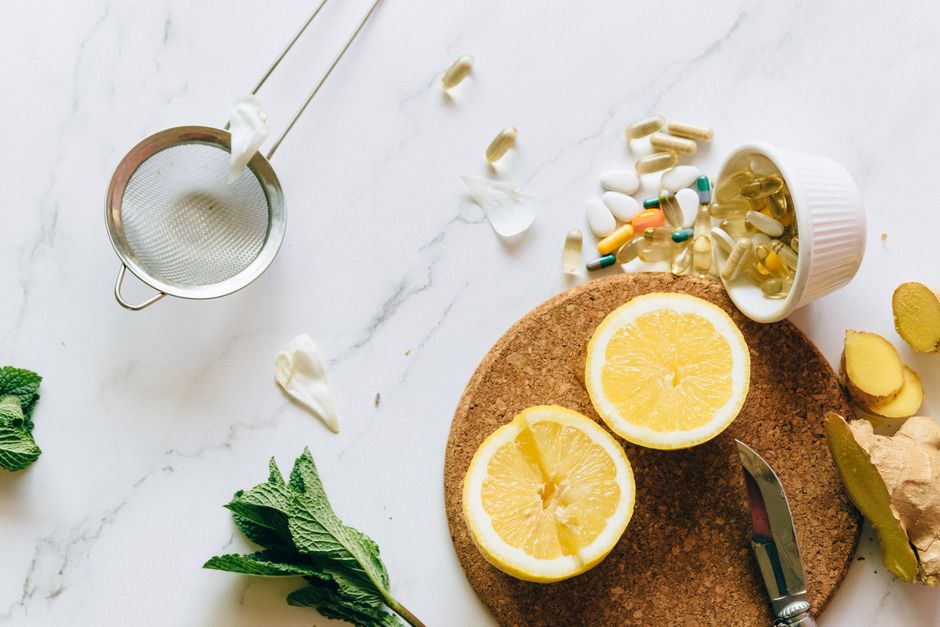
You can eat a perfect diet and still absorb less of certain vitamins than you think. The reason is that many vitamins don’t act alone. Fat-soluble vitamins need fat to be absorbed. Iron from plants needs vitamin C. Calcium and iron compete for the same absorption pathway, so taking them together can reduce how much of each you get. Pairing foods correctly is one of the few genuinely evidence-based ways to get more from what you already eat.
This isn’t about supplements or special products. It’s about the chemistry of digestion and how the gut handles different nutrients. Some pairings have strong research behind them. Others are widely repeated but have thin evidence. Here is what is well established, what is promising, and what is mostly marketing noise.
How Does Vitamin Absorption Actually Work?
Absorption happens mostly in the small intestine, and how much of a vitamin gets through depends on the form it’s in and what else is in your gut at the same time. Some vitamins are water-soluble and dissolve easily in the fluid contents of the gut. Others are fat-soluble and need to be packaged into tiny fat particles before they can cross into the bloodstream.
Fat-soluble vitamins — A, D, E, and K — require dietary fat and bile to be absorbed. Bile is released from the gallbladder when fat enters the small intestine. Without fat in the meal, absorption of these vitamins drops substantially. This is well established physiology, not a fringe claim.
Water-soluble vitamins like C and the B group dissolve readily, but that doesn’t mean absorption is automatic. Some depend on specific transporter proteins in the gut wall, and those transporters can be saturated or blocked by other compounds. Vitamin C, for example, enhances absorption of non-heme iron — the form found in plants — by keeping it in a chemical state the gut can take up.
Then there’s the competition problem. Minerals and some vitamins share transport pathways. When two nutrients use the same doorway, taking them together means they compete. This is why timing and pairing matter as much as total intake.
How To Increase Vitamin Absorption With Food Pairings
The core principle is simple: match each vitamin with what its absorption depends on, and separate nutrients that compete. Most of the strongest pairings are ordinary food combinations — no supplements required.
Fat-soluble vitamins need fat
Vitamin D, E, A, and K are absorbed far better when eaten with fat. A salad with olive oil, or carrots with a source of fat, makes physiological sense and is supported by absorption studies. The amount of fat needed isn’t large — a modest amount in the same meal is generally enough. The key is that the fat is present in the same meal, not hours apart.
Plant iron needs vitamin C
Iron comes in two forms. Heme iron, from meat, poultry, and fish, is absorbed efficiently. Non-heme iron, from beans, lentils, spinach, and fortified grains, is absorbed much less efficiently on its own. Vitamin C converts non-heme iron into a more absorbable form and can meaningfully increase uptake. Pairing lentils with tomatoes, or beans with bell pepper, is a practical example. This is one of the best-supported food pairings in nutrition.
Calcium and iron compete
Calcium and iron inhibit each other’s absorption when taken together in significant amounts. This is well documented. If you rely on plant sources for iron and also take calcium, separating them by a few hours is reasonable. The same competition exists between calcium and zinc, and between iron and zinc to a lesser degree.
Vitamin B12 and folate work together
B12 and folate are involved in overlapping metabolic pathways. A deficiency in one can mask the signs of the other, particularly in red blood cell formation. Eating foods rich in both — eggs, leafy greens, legumes, and animal products — supports the pathways they share. This is less about direct absorption enhancement and more about biochemical interdependence.
Which Food Pairings Have the Strongest Evidence?
Not all pairings are equal. Some rest on solid absorption research. Others are plausible but unproven, and a few are marketing claims dressed up as science. Here is an honest breakdown.
| Pairing | Nutrient enhanced | Evidence strength |
|---|---|---|
| Vitamin C with plant iron | Non-heme iron | Strong — well documented in absorption studies |
| Dietary fat with vitamins A, D, E, K | Fat-soluble vitamins | Strong — established physiology |
| Separating calcium from iron | Iron and calcium | Strong — competition is well described |
| Black pepper with curcumin (turmeric) | Curcumin absorption | Some evidence — mostly small studies |
| Probiotics with B vitamins | B vitamin status | Mixed — results vary |
The vitamin C and iron pairing is the clearest example of a food combination with measurable effect. The fat-soluble vitamin pairing is equally reliable because it reflects how the digestive system physically works. The turmeric and black pepper claim gets repeated constantly, but most of the supporting research involves concentrated extracts, not everyday cooking amounts. The evidence is limited for normal dietary use.
What Blocks Vitamin Absorption?
Knowing what interferes is as useful as knowing what helps. Several common foods and habits reduce absorption of specific nutrients.
- Tannins in tea and coffee bind iron and reduce its absorption. Drinking these with meals, especially plant-based iron meals, lowers how much iron you take in. Waiting an hour or more helps.
- Phytates in whole grains and legumes bind minerals including iron, zinc, and calcium. Soaking, sprouting, and fermenting reduce phytate content.
- Calcium supplements taken with iron-rich meals reduce iron uptake. This applies mainly to supplements and large dairy portions.
- Oxalates in spinach and some other greens bind calcium, which is why spinach is a poor calcium source despite its calcium content — a point many people miss.
- Alcohol interferes with absorption of several B vitamins and folate.
These blockers don’t mean you should avoid these foods. They mean timing and preparation matter. Soaking beans before cooking, or drinking coffee between meals rather than with them, are simple adjustments.
Do Cooking and Preparation Methods Affect Absorption?
Yes, and often more than people expect. How a food is prepared changes how available its nutrients are.
Cooking tomatoes increases the availability of lycopene, a fat-soluble compound, because heat breaks down cell walls. Cooking carrots and spinach similarly improves access to some fat-soluble nutrients. This is why raw isn’t always better.
On the other hand, water-soluble vitamins like C and some B vitamins are sensitive to heat and can be lost during cooking, especially boiling, where they leach into the water. Steaming or quick cooking preserves more. Using the cooking water in soups or stews recovers some of what leaches out.
Soaking and sprouting legumes and grains reduces phytates, which improves mineral absorption. Fermentation — as in sourdough bread, yogurt, and tempeh — does the same and is one of the more reliable traditional methods for improving nutrient availability.
Does Timing Matter for Vitamin Absorption?
Timing matters for some nutrients and not others. Fat-soluble vitamins need to be eaten with a meal containing fat, so taking a vitamin D supplement on an empty stomach is less effective than taking it with food. This is well established.
Iron and calcium are better separated. If you take an iron supplement, taking it with a source of vitamin C and away from calcium, tea, and coffee improves absorption. Some clinicians recommend this, and it aligns with what absorption studies show.
For most water-soluble vitamins, timing is less critical as long as intake is consistent. The body doesn’t store most B vitamins and vitamin C in large amounts, so regular intake throughout the day matters more than precise timing.
When Should You Consider a Supplement?
Food pairing should come first, but some people genuinely need supplements — and for them, pairing still matters. People with diagnosed deficiencies, those on restricted diets, older adults with reduced absorption, and people with certain gut conditions may need supplemental vitamins.
When supplements are used, the same pairing rules apply. Take fat-soluble vitamins with a meal containing fat. Take iron with vitamin C and away from calcium. Don’t assume a supplement is absorbed the same way regardless of timing — it isn’t.
This is informational, not medical advice. If you suspect a deficiency, a blood test and a conversation with a clinician are the right next steps. Self-diagnosing and self-treating with supplements can mask problems or cause harm, particularly with fat-soluble vitamins, which can accumulate to toxic levels when overused.
Frequently Asked Questions
What helps absorb vitamin D?
Vitamin D is fat-soluble, so eating it with a meal that contains fat improves absorption. Taking a vitamin D supplement on an empty stomach is less effective than taking it with food.
Does vitamin C help absorb iron?
Yes. Vitamin C increases absorption of non-heme iron, the form found in plant foods like beans and spinach. Pairing them in the same meal is one of the best-supported food combinations in nutrition.
Does coffee block vitamin absorption?
Coffee contains tannins that bind iron and reduce its absorption when consumed with meals. Waiting about an hour after eating before drinking coffee limits this effect.
Is it better to take vitamins with or without food?
Fat-soluble vitamins A, D, E, and K should be taken with a meal containing fat. Water-soluble vitamins are less dependent on food but are generally better tolerated when taken with a meal.
