
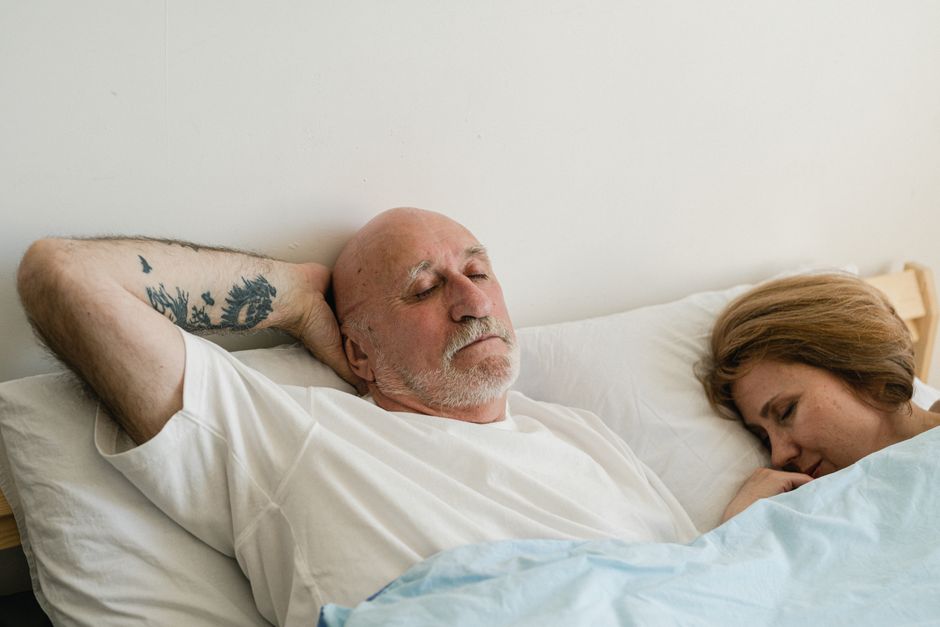
There is no single switch for libido. Sexual desire is shaped by hormones, sleep, stress, mental health, medications, and relationships, and it changes naturally across a lifetime. The most effective steps are rarely exotic: protect your sleep, lower chronic stress, eat a balanced diet, move your body regularly, review medications with a clinician, and address relationship or emotional issues directly. Supplements and quick fixes are heavily marketed and weakly supported by evidence. This guide explains what the science actually shows and where the honest gaps are.
How To Increase Libido Sleep Stress Diet And More?
Libido is not a fixed trait. It is a complex, fluctuating drive influenced by biology, psychology, and circumstance. Understanding that complexity is the first step toward improving it.
Sexual desire involves hormones such as testosterone and estrogen, neurotransmitters, blood flow, and the nervous system. It also depends heavily on mood, energy, body image, relationship quality, and prior experiences. When any of these areas is strained, desire often drops.
This means there is rarely one cause and rarely one solution. A person with low desire might be dealing with poor sleep, a stressful job, a medication side effect, and relationship strain all at once. Addressing just one factor may not be enough.
It also means that “increasing libido” is not always the right goal. Sometimes low desire is a normal response to exhaustion, grief, illness, or a relationship that needs attention. In those cases, fixing the underlying issue matters more than trying to boost desire directly.
How Does Sleep Affect Libido?
Sleep is one of the strongest and most overlooked influences on sexual desire. Chronic sleep loss is linked to lower testosterone in men and to reduced desire in both men and women.
Most testosterone production happens during sleep. Research has found that restricting sleep to a few hours per night for a week can lower daytime testosterone levels in healthy young men. The effect is measurable, though it varies between individuals.
Sleep loss also raises cortisol, the body’s main stress hormone, and disrupts mood and energy. Fatigue makes sex feel like one more demand on a depleted system. Many people with chronic insomnia report low desire as a secondary symptom rather than a primary problem.
Practical steps that support sleep quality include keeping a consistent sleep and wake time, limiting alcohol close to bedtime, getting morning light exposure, and keeping the bedroom cool and dark. If snoring, gasping, or daytime sleepiness suggests sleep apnea, that warrants medical evaluation. Untreated sleep apnea is associated with low testosterone and sexual dysfunction in men.
Can Stress Lower Libido?
Stress is a well-established suppressant of sexual desire. The body has limited resources, and when it is in a sustained “threat” state, reproduction and desire take a back seat.
Acute stress can sometimes heighten arousal in certain contexts, but chronic stress reliably reduces libido in most people. Prolonged stress raises cortisol, which can suppress the hormones involved in sexual desire. It also affects sleep, mood, and energy, creating a compounding effect.
Psychological stress matters just as much as physical stress. Financial worry, caregiving demands, work pressure, and relationship conflict all compete for the mental bandwidth that desire requires. Many people find that desire returns when the stressor resolves, even without any other change.
What helps is not a single technique but reducing the overall stress load. Regular physical activity, time in nature, breathing exercises, therapy, and setting boundaries are all reasonable approaches. There is no strong evidence that any one stress-reduction method is superior for libido specifically.





What Diet and Lifestyle Factors Matter?
No food or diet reliably boosts libido. What a balanced diet does is support the systems that desire depends on: hormone production, blood flow, energy, and mood.
Several nutrients are involved in sex hormone production and vascular health. These include zinc, vitamin D, omega-3 fatty acids, and adequate protein. Deficiencies in these nutrients can impair sexual function, but supplementing when you are not deficient has not been shown to increase desire.
What the evidence supports more clearly is the effect of overall dietary patterns. Diets high in processed foods, refined sugar, and excess alcohol are associated with poorer sexual function, largely through their effects on weight, blood vessels, and energy. Mediterranean-style eating patterns are associated with better cardiovascular health, and cardiovascular health is closely tied to erectile function in men.
Alcohol deserves specific mention. Small amounts may reduce inhibition, but regular or heavy drinking lowers testosterone, disrupts sleep, and impairs sexual function in both men and women. Smoking damages blood vessels and is a well-established risk factor for erectile dysfunction.
Regular physical activity supports libido indirectly through better cardiovascular health, weight management, mood, and sleep. Some research suggests that exercise, particularly resistance training, may support testosterone levels in older adults, though the evidence is not uniform.
What About Hormones and Medical Causes?
Hormones play a real role, but the picture is more complicated than most people assume. Testosterone matters for desire in both men and women, but low desire does not automatically mean low testosterone.
In men, testosterone levels decline gradually with age, and low levels can reduce desire. However, testosterone testing must be done properly, typically with morning blood draws on more than one occasion, because levels fluctuate. Testosterone therapy is only appropriate when low levels are confirmed along with symptoms, and it carries risks that require medical supervision.
In women, estrogen and testosterone both influence desire. Menopause-related hormonal changes can reduce desire for some women, but the relationship is not straightforward. Testosterone therapy for women is used in some countries for low desire after menopause, but it is not approved for this purpose everywhere and requires specialist oversight.
Other medical causes of low libido include thyroid disorders, depression, diabetes, and chronic illness. Certain medications are also common culprits, particularly some antidepressants, blood pressure medications, and hormonal contraceptives. Never stop a medication without talking to your prescriber.
Do Supplements and “Libido Boosters” Work?
Most supplements marketed for libido have little or no reliable human evidence behind them. The supplement market is loosely regulated in the US, and claims often outrun the science.
A few ingredients have some research support, but the evidence is generally modest and inconsistent. These include certain plant extracts and amino acids studied in small trials, often with mixed results. No supplement has been shown in large, well-designed trials to reliably increase desire in the general population.
Some products sold as libido boosters have been found to contain undeclared pharmaceutical ingredients, which is a genuine safety concern. Others interact with medications, particularly blood thinners and blood pressure drugs.
If you are considering a supplement, discuss it with a pharmacist or clinician first, especially if you take prescription medications or have a chronic condition. A “natural” label does not mean risk-free.
When Should You Talk to a Doctor?
Low libido is common and often not dangerous on its own. But it can be a sign of an underlying condition that deserves attention, and it can also cause real distress.
Consider speaking with a clinician if low desire is persistent, causes you distress, or is accompanied by other symptoms such as fatigue, low mood, erectile difficulties, changes in menstrual cycles, or unexplained weight change. These can point to hormonal, thyroid, or mood-related issues.
A clinician can review your medications, order appropriate tests, and help distinguish between physical and psychological contributors. In many cases, the most useful conversation is about what has changed recently: sleep, stress, relationships, health, and medications.
Sexual desire exists on a spectrum, and what is “normal” varies widely between individuals and across life stages. The goal is not a number but a level of desire that feels right for you and your circumstances.
Frequently Asked Questions
Does sleep really affect libido?
Yes. Chronic sleep loss is linked to lower testosterone in men and reduced desire in both sexes. Fatigue and elevated stress hormones from poor sleep make desire harder to access.
Can stress cause low libido?
Yes. Chronic stress is a well-established suppressant of sexual desire because it raises cortisol and drains the energy and mental bandwidth desire depends on. Reducing the overall stress load often helps.
Do libido supplements actually work?
Most have little or no reliable human evidence behind them, and some have been found to contain undeclared ingredients. Talk to a clinician or pharmacist before trying any supplement.
When should I see a doctor about low libido?
See a clinician if low desire is persistent, causes distress, or comes with symptoms like fatigue, low mood, or erectile difficulties. A review of medications and appropriate testing can identify treatable causes.
